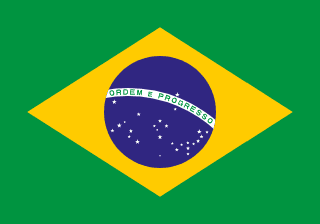
Moving to BrazilShare
Brazil is a solid destination for global professionals, featuring a moderate tax burden of 26.4%. With a very high English proficiency score of 482, daily communication and business integration are seamless. It hosts a vibrant and diverse expat community, notably drawing a significant number of residents from Portugal.
Lifestyle & Vibe
Brazil was the first country in South America to launch a digital nomad visa (2022), offering up to two years of legal residency for remote workers earning at least $1,500/month, with a straightforward application process through Brazilian consulates. Major cities like São Paulo, Florianópolis, and Recife have strong co-working ecosystems, fast fiber internet, and thriving expat and tech professional communities. The cost of living is very affordable at $1,000-$1,800/month depending on city, but safety is a significant concern - petty theft, crime stratification by neighborhood, and security awareness are genuine daily realities in most urban centers. Portuguese language is a real barrier that sets Brazil apart from Spanish-speaking Latin American alternatives, and bureaucratic processes for banking and tax registration can be slow and opaque.
Digital Freedom & Remote Work
Censorship and network interference data is currently being collected for Brazil.
Society & Demographics
Brazil exhibits a diverse demographic profile with approximately 50.8% female and 49.2% male populations, reflecting gender parity. With an impressive internet usage rate of 84.46%, Brazil is well-connected digitally, though it faces significant economic inequality as indicated by its GINI index of 50.3, a measure above the global average. The country's urbanization level stands at 87.9%, with a notable younger population characterized by an 11.05% share of individuals over 65 years old and only 17.54% women in parliamentary positions, highlighting areas for socio-political development.
Gender Distribution
Aging Society
Population over 65 years old
Education Spending
UNESCO Data. Indicates focus on public schooling.
Quality of Life
Brazil's quality of life is multifaceted, with a life expectancy of 72.39 years reflecting a moderately healthy population. The country has an impressive universal health coverage index of 84.00, signifying widespread access to healthcare services; however, it faces challenges including a high obesity rate of 30.14% and safety concerns indicated by a homicide rate of 19.28 per 100k people. The average worker logs in at 38.85 hours per week, while air quality is relatively good with an average PM2.5 level of 12.18 µg/m³. Despite these factors, Brazilians often rate their happiness at a score of 6.63 on a scale from 0 to 10.
Economic Freedom & Business Climate
The Brazilian economy operates with an overall Economic Freedom Score of 52.40, indicating a mixed performance that is influenced by factors such as high tax burdens (70.60) and fiscal health concerns (28.00). The business environment shows some promise with Business Freedom at 65.70 and Trade Freedom at 69.00, but challenges remain in areas like property rights (49.20), government integrity (37.20), and investment freedom (40.00). While the unemployment rate stands at 5.97%, inflation is relatively stable at 4.37%, which could support economic stability if managed effectively.
Evaluated across 12 quantitative factors. Scores span 0-100, where higher scores indicate greater economic liberty, lighter tax burdens, and stronger property rights.
Climate Profile (Brasília)
Brazil has a tropical climate, with sweltering summers and mild winters, characterized by scorching temperatures that soar to their peak in September, with an average high of 30.01°C, while the rainiest periods occur during the months of January, February, and November, with an average of 19 to 23 rainy days. The country's driest and coolest months, from May to July, offer a destination for expats and digital nomads seeking comfortable weather, with average temperatures ranging from 25.46°C to 25.83°C and minimal rainfall. For an ideal relocation or visit, the best season to experience Brazil's pleasant climate is during the winter months, from June to August, when the weather is mild and dry, making it perfect for exploring the country's vibrant culture, stunning beaches, and lush landscapes.
Political Stability & Governance
Evaluated across Worldwide Governance Indicators (WGI). Scores span approximately -2.5 to 2.5, where higher scores indicate stronger governance, better stability, and lower corruption.
Relocation Guides & Articles

Explore Similar Destinations
Frequently Asked Questions
What is the tax burden in Brazil?
The tax burden in Brazil is approximately 26.4%, according to World Bank data.
Is Brazil safe?
The homicide rate in Brazil is 19.3 per 100,000 people (World Bank).
Are people happy in Brazil?
The World Happiness Report scores Brazil at 6.6 out of 10.