
Moving to FinlandShare
While living in Finland comes with a higher tax burden of 41.8%, expats often benefit from its robust social infrastructure and high quality of life. With a very high English proficiency score of 603, daily communication and business integration are seamless. It hosts a vibrant and diverse expat community, notably drawing a significant number of residents from Estonia.
Lifestyle & Vibe
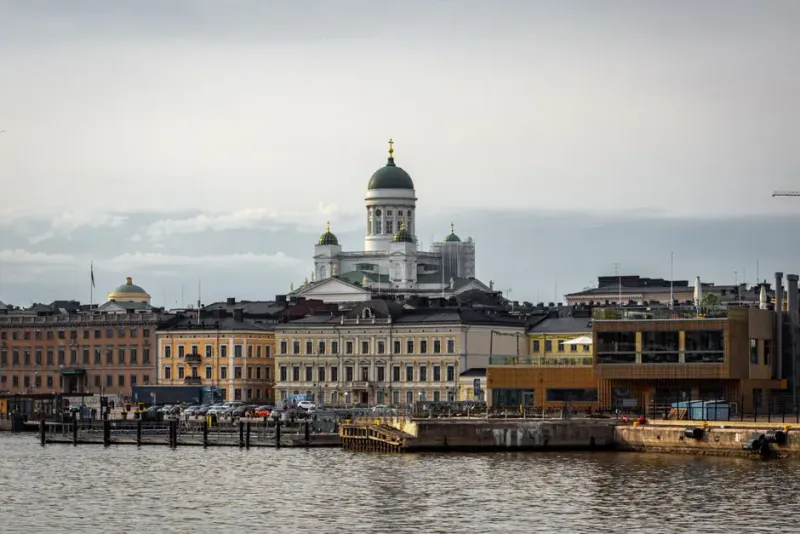
Finland consistently ranks among the world's top countries for quality of life, safety, and digital infrastructure - Helsinki has excellent co-working spaces, universally fast fiber internet, and a functional public transport system, and the country is a reliable base for EU-timezone remote workers. The cost of living is high, particularly for housing and restaurants in Helsinki, and income tax is steep if you establish Finnish tax residency; remote workers should structure their tax situation carefully before committing to long-term stays. The social integration curve for non-Finnish speakers is real - Finnish culture is famously reserved and social networks take time to build - but the English-speaking startup and tech expat community in Helsinki is active and welcoming. Cashless payments are near-universal, bureaucracy is efficient by European standards, and the work-life balance culture is genuine rather than performative.
Digital Freedom & Remote Work
Censorship and network interference data is currently being collected for Finland.
Society & Demographics
In Finland, a society characterized by its high level of gender equality, with 46% women in parliament, reflects its progressive stance on social issues. With an impressive EF English Proficiency Score of 603, Finnish citizens are well-equipped to engage globally. The country's low GINI index at 27.4 indicates a relatively equitable distribution of income and wealth, fostering a stable economy. Urbanization stands at 74.26%, with a significant portion of the population residing in cities, while its high internet usage rate of 93.72% underscores digital literacy among Finns.
Gender Distribution
Aging Society
Population over 65 years old
Education Spending
UNESCO Data. Indicates focus on public schooling.
Quality of Life
In Finland, residents enjoy a high quality of life with an average life expectancy of 81.5300 years, reflecting excellent health outcomes. The country has a robust healthcare system, evident from the presence of 28.7500 medical doctors per 10k people and a Universal Health Coverage Index of 86.0000, ensuring access to care. Additionally, Finland's commitment to well-being is seen in its low obesity rate (24.2000%) and high happiness score (7.7640 on a scale from 0-10), while factors like safe streets (with only 0.9800 homicides per 100k people) contribute to overall satisfaction, complemented by an ideal work-life balance with average working hours of just 33.1 per week and clean air quality indicated by PM2.5 levels at 4.9000 µg/m³.
Economic Freedom & Business Climate
The Finnish economy, characterized by a high Overall Economic Freedom Score of 76.6000, demonstrates strong business climate factors such as robust property rights (99.9000), judicial effectiveness (96.4000), and government integrity (95.4000). With an inflation rate of 1.5700% and a relatively low tax burden at 68.4000, Finland offers a favorable environment for both domestic and foreign investments. The country’s financial freedom score stands at 80.0000, indicating a supportive framework for capital markets and financial institutions, underpinned by high business (85.3000) and trade freedom (79.4000).
Evaluated across 12 quantitative factors. Scores span 0-100, where higher scores indicate greater economic liberty, lighter tax burdens, and stronger property rights.
Climate Profile (Helsinki)
Finland's climate is characterized as a humid continental type, with extreme variations in temperature throughout the year, ranging from icy winters to mild summers, with the hottest period typically occurring in July when average maximum temperatures soar to 20.86°C. The rainiest periods of the year are usually in July and August, with 13 and 14 rainy days respectively, while the winter months from December to February are the driest, making spring and early autumn the best seasons to relocate or visit for comfortable weather, with mild temperatures and fewer rainy days. For expats and digital nomads seeking to experience the best of Finland's climate, relocating or visiting during the spring months of May or September is highly recommended, as the temperatures are pleasantly warm, averaging around 13-15°C, making it ideal for outdoor activities and exploration.
Political Stability & Governance
Evaluated across Worldwide Governance Indicators (WGI). Scores span approximately -2.5 to 2.5, where higher scores indicate stronger governance, better stability, and lower corruption.
Relocation Guides & Articles
Explore Similar Destinations
Frequently Asked Questions
What is the tax burden in Finland?
The tax burden in Finland is approximately 41.8%, according to World Bank data.
Is Finland safe?
The homicide rate in Finland is 1.0 per 100,000 people (World Bank).
Are people happy in Finland?
The World Happiness Report scores Finland at 7.8 out of 10.