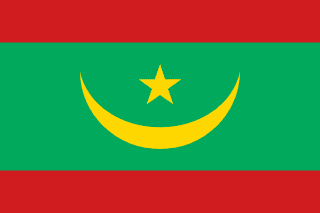
Moving to MauritaniaShare
It hosts a vibrant and diverse expat community, notably drawing a significant number of residents from Mali.
Lifestyle & Vibe
Mauritania is a Saharan nation with very limited infrastructure, persistent poverty, and significant security concerns in border regions - most Western governments advise caution across the country and advise against travel to areas near the Mali and Western Sahara borders. Internet access is slow, expensive, and unreliable; English proficiency is very limited, with Arabic and French dominating all daily communication. There is no digital nomad visa, no expat remote work community, and the operational environment for foreign professionals is challenging even for experienced development sector workers. Mauritania is not a viable relocation destination for remote workers.
Digital Freedom & Remote Work
Censorship and network interference data is currently being collected for Mauritania.
Society & Demographics
Mauritania's society is characterized by a slight male predominance with 49.05% of the population being male and 50.95% female. The country exhibits moderate urbanization with 60.61% of its population residing in cities, reflecting ongoing rural to urban migration patterns. Socioeconomic inequality is relatively balanced as indicated by a GINI Index of 32.00, yet challenges persist, particularly for women, who hold only 23.2955% of parliamentary seats despite comprising nearly half the population. Educational investment constitutes a significant portion of GDP at 31.89%, highlighting the nation's commitment to future development and social mobility.
Gender Distribution
Aging Society
Population over 65 years old
Education Spending
UNESCO Data. Indicates focus on public schooling.
Quality of Life
Mauritania faces significant challenges in ensuring a high quality of life for its citizens, with a life expectancy of 68.87 years and an obesity rate of 24.09%. Despite the presence of only 2.61 medical doctors per 10,000 people, the country has achieved a Universal Health Coverage Index of 40.00, indicating partial progress in healthcare access. However, the average working week is lengthy at 47.59 hours and air quality is poor with PM2.5 levels reaching 70.82 µg/m³, impacting overall well-being. The happiness score stands at 4.47 out of 10, reflecting a need for improved living conditions and public health measures to enhance general well-being.
Economic Freedom & Business Climate
Mauritania's economy faces several challenges as indicated by its Economic Freedom Score of 53.90 out of 100, which suggests a mixed performance in various economic freedoms. The inflation rate stands at 2.49%, while the unemployment rate is relatively high at 10.32%. Key indicators such as property rights (32.60), judicial effectiveness (26.40), and government integrity (24.50) are notably low, reflecting systemic issues that hinder economic development. Despite these challenges, Mauritania scores well in monetary freedom with a score of 77.80, indicating a relatively stable and flexible monetary policy environment.
Evaluated across 12 quantitative factors. Scores span 0-100, where higher scores indicate greater economic liberty, lighter tax burdens, and stronger property rights.
Climate Profile (Nouakchott)
Mauritania's climate is characterized as a scorching desert climate, with blistering hot temperatures and scarce rainfall throughout the year, making it a challenging yet exhilarating destination for expats and digital nomads. The country experiences its most sweltering heat from September to October, with temperatures often soaring above 36 degrees Celsius, while the rainiest periods occur in July and August, with short yet intense bursts of rainfall, making these months less ideal for outdoor exploration. For a more comfortable experience, the best time to relocate or visit Mauritania is from December to May, when the temperatures are relatively milder, ranging from 28 to 32 degrees Celsius, and the dry desert air makes for a more pleasant and bearable climate.
Political Stability & Governance
Evaluated across Worldwide Governance Indicators (WGI). Scores span approximately -2.5 to 2.5, where higher scores indicate stronger governance, better stability, and lower corruption.
Relocation Guides & Articles
We're currently working on an in-depth expat guide for Mauritania.
Browse all 98 expat guidesFrequently Asked Questions
Is Mauritania safe?
The homicide rate in Mauritania is 1.0 per 100,000 people (World Bank).
Are people happy in Mauritania?
The World Happiness Report scores Mauritania at 4.5 out of 10.