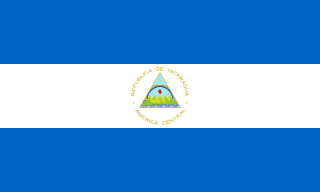
Moving to NicaraguaShare
Nicaragua is a solid destination for global professionals, featuring a moderate tax burden of 21.5%. With a very high English proficiency score of 512, daily communication and business integration are seamless. It hosts a vibrant and diverse expat community, notably drawing a significant number of residents from Honduras.
Lifestyle & Vibe
Nicaragua has one of the lowest costs of living in Latin America, but the political situation under President Daniel Ortega's authoritarian government creates significant risks for foreign nationals, including arbitrary detention and surveillance. Freedom of expression is heavily suppressed, internet is functional but monitored, and the expat community has significantly shrunk since the 2018 political crackdown. While León and Granada once attracted budget-conscious nomads, the current political climate makes long-term residency inadvisable for those with any public or online profile. Neighboring countries like Panama or Colombia offer far safer alternatives with comparable or lower costs.
Digital Freedom & Remote Work
Censorship and network interference data is currently being collected for Nicaragua.
Society & Demographics
Nicaragua presents a diverse demographic landscape with a slightly higher female population at 50.81%, while the male population comprises 49.19%. The country has made significant strides in internet access, with 61.4% of its residents online, and is making efforts to improve English proficiency, as reflected by an EF English Proficiency Score of 512.0000. However, socio-economic disparities are evident, with a GINI index of 46.2000 indicating moderate inequality. Notably, women's participation in governance is robust, with 53.8462% occupying parliamentary seats, and the nation has an urbanization rate of 59.26%, reflecting migration patterns and infrastructure development.
Gender Distribution
Aging Society
Population over 65 years old
Education Spending
UNESCO Data. Indicates focus on public schooling.
Quality of Life
Nicaragua's quality of life is reflected in a life expectancy of 75.03 years, slightly below the global average. With 9.08 medical doctors per 10,000 people and an Universal Health Coverage Index of 70, healthcare access remains crucial but faces challenges. The country’s happiness score of 6.3 on a scale from 0 to 10 highlights mixed feelings among its residents, influenced by factors like the obesity rate at 34.9%, air quality measured at 16.81 µg/m³, and a relatively low average working week of 36.81 hours. Safety is another concern, with a homicide rate of 11.35 per 100,000 people indicating higher levels of violence compared to some other countries.
Economic Freedom & Business Climate
The current economic landscape in Nicaragua shows a mixed picture with some positive indicators but also significant challenges. With an inflation rate of 4.6200% and an unemployment rate of 5.0400%, the country is relatively stable, though not without economic pressures. The overall Economic Freedom Score stands at 53.6000 on a scale of 0 to 100, indicating that while there are opportunities for improvement in various sectors such as property rights and business freedom, the country still faces constraints. Specific areas like financial freedom score only 50.0000, highlighting gaps in access to finance and investment.
Evaluated across 12 quantitative factors. Scores span 0-100, where higher scores indicate greater economic liberty, lighter tax burdens, and stronger property rights.
Climate Profile (Managua)
Nicaragua has a tropical savanna climate, characterized by soaring temperatures and distinct wet and dry seasons, with the mercury often rising to scorching highs of over 30 degrees Celsius throughout the year, while the hottest period spans from March to April and the rainiest months occur from June to October, with May and September being particularly drenched. The country's tropical climate is marked by a pronounced dry season from November to April, with December being the coolest and driest month, making it an ideal time to relocate or visit for comfortable weather, as the temperatures are relatively mild and the rain is scarce. For expats and digital nomads seeking a balmy yet pleasant climate, the best season to visit or relocate to Nicaragua is from December to February, when the temperatures are warm but not sweltering, and the rain is minimal, making it perfect for exploring the country's stunning natural beauty and vibrant culture.
Political Stability & Governance
Evaluated across Worldwide Governance Indicators (WGI). Scores span approximately -2.5 to 2.5, where higher scores indicate stronger governance, better stability, and lower corruption.
Relocation Guides & Articles
We're currently working on an in-depth expat guide for Nicaragua.
Browse all 98 expat guidesFrequently Asked Questions
What is the tax burden in Nicaragua?
The tax burden in Nicaragua is approximately 21.5%, according to World Bank data.
Is Nicaragua safe?
The homicide rate in Nicaragua is 11.3 per 100,000 people (World Bank).
Are people happy in Nicaragua?
The World Happiness Report scores Nicaragua at 6.3 out of 10.