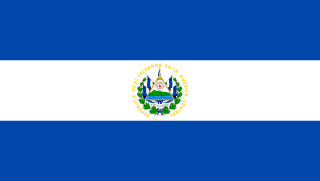
Moving to El SalvadorShare
El Salvador is a solid destination for global professionals, featuring a moderate tax burden of 27.3%. With a very high English proficiency score of 523, daily communication and business integration are seamless. It hosts a vibrant and diverse expat community, notably drawing a significant number of residents from Honduras.
Lifestyle & Vibe
El Salvador made global headlines with Bitcoin as legal tender and a government-backed push to attract crypto entrepreneurs and remote workers, particularly around El Zonte ("Bitcoin Beach") and the planned Surf City corridor. Security has improved dramatically under President Bukele's gang crackdown - homicide rates dropped from among the world's highest to regionally competitive levels - though civil liberties concerns and the authoritarian governance model are real geopolitical risks for long-term residents. The cost of living is low, USD is the primary currency (alongside BTC), and internet infrastructure in San Salvador and major beach towns is adequate for most remote work. The digital nomad and crypto expat community is genuine and growing, but this remains a destination for risk-tolerant early adopters rather than stability-seeking professionals.
Digital Freedom & Remote Work
Censorship and network interference data is currently being collected for El Salvador.
Society & Demographics
In El Salvador, the population is predominantly female at 52.5%, with urbanization rates at 75.07%, indicating a significant portion of the populace resides in cities. The country shows moderate economic inequality as reflected by its GINI Index of 39.8, and efforts towards education are evident through spending that constitutes 15.89% of GDP. However, the nation faces challenges such as net migration totaling -23,934 over five years, suggesting an outflow of people, which may be linked to its EF English Proficiency Score of 523 and lower internet usage rates at 66.48%. Despite these issues, women hold a substantial presence in parliament, with 31.67% representation.
Gender Distribution
Aging Society
Population over 65 years old
Education Spending
UNESCO Data. Indicates focus on public schooling.
Quality of Life
In El Salvador, residents enjoy a life expectancy of approximately 71.67 years, reflecting a generally healthy population. The country offers a Universal Health Coverage Index of 79.00, with an average of 16.16 medical doctors per 10k people, ensuring access to healthcare services. However, the obesity rate stands at 32.16%, indicating areas where health promotion efforts could be strengthened. Overall, Salvadorians score a happiness index of 6.578 on a scale from 0 to 10, balancing work-life with an average of 42.8 working hours per week and enjoying air quality measured at 20.03 µg/m³. Despite these conditions, safety remains a concern, with a homicide rate of 7.9 per 100k people.
Economic Freedom & Business Climate
The economy of El Salvador shows a relatively stable inflation rate of 0.85%, with an unemployment level at 3.30%. However, the country's economic freedom score is moderate at 57.70, influenced by various factors such as property rights (42.70) and government integrity (31.50). Financial freedom stands at a lower score of 60.00, indicating areas for improvement in financial sector regulations and fiscal health, which is rated at 59.40.
Evaluated across 12 quantitative factors. Scores span 0-100, where higher scores indicate greater economic liberty, lighter tax burdens, and stronger property rights.
Climate Profile (San Salvador)
El Salvador's climate is characterized by a tropical savanna, with temperatures soaring to an average maximum of 31.57°C in March and dropping to a minimum of 19.61°C in December, making it a year-round destination for those who love warmth. The rainiest periods are from April to November, particularly peaking in May with 29 rainy days, while the driest months are January through March, offering comfortable weather. For optimal relocation or visitation, expats and digital nomads should consider the months of December to February when temperatures are cooler and rainfall is minimal, ensuring pleasant conditions and fewer inconveniences.
Political Stability & Governance
Evaluated across Worldwide Governance Indicators (WGI). Scores span approximately -2.5 to 2.5, where higher scores indicate stronger governance, better stability, and lower corruption.
Relocation Guides & Articles
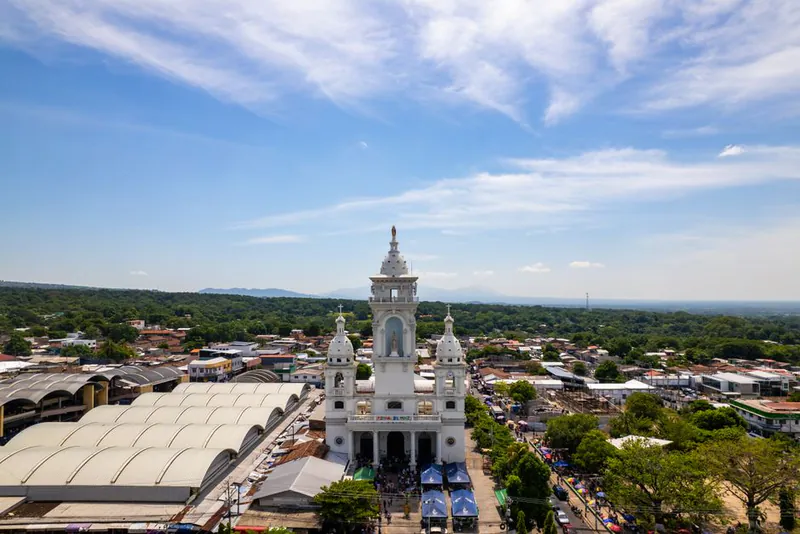
Explore Similar Destinations
Frequently Asked Questions
What is the tax burden in El Salvador?
The tax burden in El Salvador is approximately 27.3%, according to World Bank data.
Is El Salvador safe?
The homicide rate in El Salvador is 7.9 per 100,000 people (World Bank).
Are people happy in El Salvador?
The World Happiness Report scores El Salvador at 6.6 out of 10.