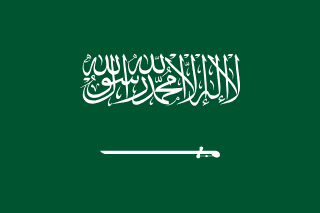
Moving to Saudi ArabiaShare
Saudi Arabia is a solid destination for global professionals, featuring a moderate tax burden of 26.8%. With a very high English proficiency score of 404, daily communication and business integration are seamless. It hosts a vibrant and diverse expat community, notably drawing a significant number of residents from India.
Lifestyle & Vibe
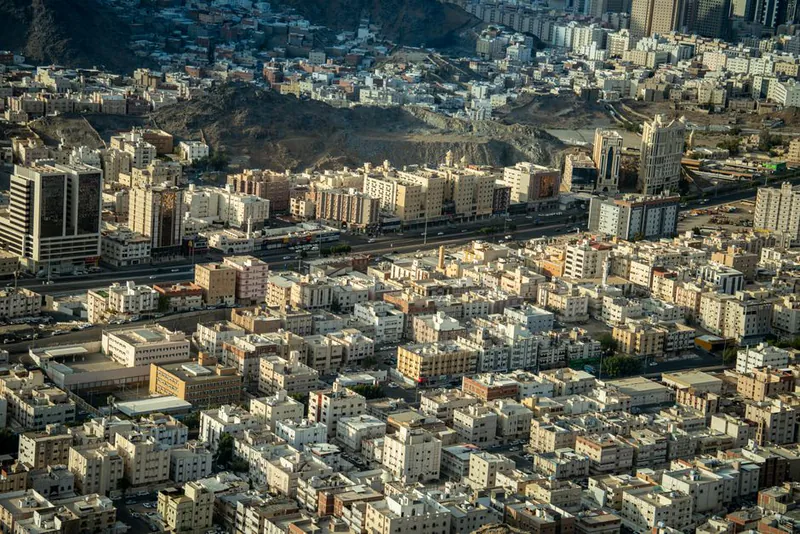
Saudi Arabia is undergoing rapid social and economic transformation under Vision 2030, with Riyadh emerging as a genuine regional business hub featuring world-class infrastructure, ultra-fast internet, and improving entertainment and lifestyle options. The cost of living for expats is moderate within residential compounds, there is no income tax, and the country has launched specific visa categories targeting professionals and investors. However, social restrictions - while significantly relaxed compared to a decade ago - remain in place: LGBTQ+ expression is criminalized, religious and political speech is heavily restricted, and the overall social environment is conservative and highly surveilled. Saudi Arabia suits corporate professionals and high-earning specialists with employer support; it remains a challenging environment for independent remote workers or those with progressive social lifestyles.
Digital Freedom & Remote Work
Censorship and network interference data is currently being collected for Saudi Arabia.
Society & Demographics
Saudi Arabia is a male-dominated society with males constituting 60.54% of the population, while females make up 39.46%. The country features near-universal internet penetration at 100%, indicating widespread access to modern communication tools. With an education spending allocation of 15.64% of GDP, there’s a strong emphasis on human capital development. However, women's representation in parliament remains low at 19.8675%, and the GINI index is unavailable, suggesting potential economic inequality that requires further analysis.
Gender Distribution
Aging Society
Population over 65 years old
Education Spending
UNESCO Data. Indicates focus on public schooling.
Quality of Life
In Saudi Arabia, the quality of life is characterized by a life expectancy of 76.43 years, indicating a generally healthy populace. The nation has an impressive Universal Health Coverage Index of 83.00, reflecting robust healthcare access for its residents, with 34 medical doctors per 10,000 people contributing to this standard. However, concerning factors include an obesity rate of 40.10% and air quality measured at 53.15 µg/m³ PM2.5, which can impact overall well-being despite the country's high happiness score of 6.817 on a scale from 0 to 10.
Economic Freedom & Business Climate
The economy of Saudi Arabia operates within a framework that is moderately free according to the Overall Economic Freedom Score of 65.4000. The country experiences an inflation rate of 1.69% and maintains relatively low unemployment at 3.04%, suggesting stability in the job market. However, while business freedom stands at 71.2000, reflecting some openness to entrepreneurship, other areas such as labor freedom (41.8000) and financial freedom (50.0000) indicate room for improvement, potentially limiting opportunities for economic diversification and individual financial empowerment.
Evaluated across 12 quantitative factors. Scores span 0-100, where higher scores indicate greater economic liberty, lighter tax burdens, and stronger property rights.
Climate Profile (Riyadh)
Saudi Arabia has a scorching desert climate, with temperatures soaring to their peak during the summer months of June, July, and August, when the mercury can reach a sizzling 43.64°C, while the rainiest periods are typically experienced in February and March, with an average of 3 rainy days each. In stark contrast, the winter months from November to February bring a welcome respite from the heat, with mild temperatures and minimal rainfall, making this the ideal season to relocate or visit for a more comfortable and pleasant experience. For expats and digital nomads seeking to escape the sweltering heat, the best time to visit or relocate to Saudi Arabia is from December to February, when the weather is at its most bearable, with average temperatures ranging from 21.09°C to 23.61°C, perfect for exploring the country's rich cultural heritage and impressive landscapes.
Political Stability & Governance
Evaluated across Worldwide Governance Indicators (WGI). Scores span approximately -2.5 to 2.5, where higher scores indicate stronger governance, better stability, and lower corruption.
Relocation Guides & Articles
Frequently Asked Questions
What is the tax burden in Saudi Arabia?
The tax burden in Saudi Arabia is approximately 26.8%, according to World Bank data.
Is Saudi Arabia safe?
The homicide rate in Saudi Arabia is 0.9 per 100,000 people (World Bank).
Are people happy in Saudi Arabia?
The World Happiness Report scores Saudi Arabia at 6.8 out of 10.
Head-to-Head Relocation Comparisons
Compare taxes, safety, and living costs of Saudi Arabia against top alternatives.