Moving to PolandShare
While living in Poland comes with a higher tax burden of 35.9%, expats often benefit from its robust social infrastructure and high quality of life. With a very high English proficiency score of 600, daily communication and business integration are seamless. It hosts a vibrant and diverse expat community, notably drawing a significant number of residents from Ukraine.
Lifestyle & Vibe
Poland - especially Warsaw, Kraków, and Wrocław - is one of Central Europe's strongest digital nomad and expat destinations, combining fast fiber internet, a maturing coworking ecosystem, very affordable cost of living by EU standards, and a well-educated, highly English-proficient young professional class. EU membership provides seamless access for European nationals, and Poland's tech sector is one of the fastest-growing in the region, creating a dense community of developers, product managers, and startup founders. The expat social scene is active, cashless payments are near-universal, and public transport in major cities is reliable and cheap. The proximity to the Ukrainian border is a psychological factor for some, but Poland itself is a NATO member with stable security, and Kraków and Warsaw remain among Europe's most livable mid-size cities for remote workers.
Digital Freedom & Remote Work
Censorship and network interference data is currently being collected for Poland.
Society & Demographics
In Poland, the demographic profile shows a slight female dominance with 51.55% of the population being female, while males constitute 48.45%. The country has achieved high internet penetration with 88.58% of its population online, reflecting modern connectivity. Education is prioritized, accounting for nearly 10% of GDP expenditure, and English proficiency scores at 600 indicate a reasonable level of language competency. However, there are concerns regarding urbanization (59.97%) and a growing elderly population (20.14%), alongside an ongoing net migration of -330,820 over five years, hinting at challenges in balancing rural versus urban life and aging demographics.
Gender Distribution
Aging Society
Population over 65 years old
Education Spending
UNESCO Data. Indicates focus on public schooling.
Quality of Life
In Poland, the quality of life is marked by a life expectancy of 75.4000 years, indicating a relatively healthy population. The country has an impressive Universal Health Coverage Index at 82.0000, ensuring access to healthcare for its citizens with 36.4900 medical doctors per 10k people. However, the obesity rate of 21.8000% and average working hours of 38.4 suggest ongoing challenges in lifestyle choices and work-life balance. Safety is a strong point, as evidenced by the low homicide rate of 0.8000 per 100k people, contributing to overall well-being.
Economic Freedom & Business Climate
The Polish economy currently enjoys a robust business climate with an unemployment rate of 2.98%, indicating strong job creation and economic activity. Financial freedom indicators, including high investment and financial freedoms at 80.00, suggest a supportive environment for capital flows and savings. However, it's worth noting that while overall economic freedom scores well at 68.50, areas like labor freedom lag slightly at 53.70, potentially impacting workforce flexibility and productivity. Poland’s fiscal health is strong with a score of 74.80, supported by prudent government spending of 35.10%.
Evaluated across 12 quantitative factors. Scores span 0-100, where higher scores indicate greater economic liberty, lighter tax burdens, and stronger property rights.
Climate Profile (Warsaw)
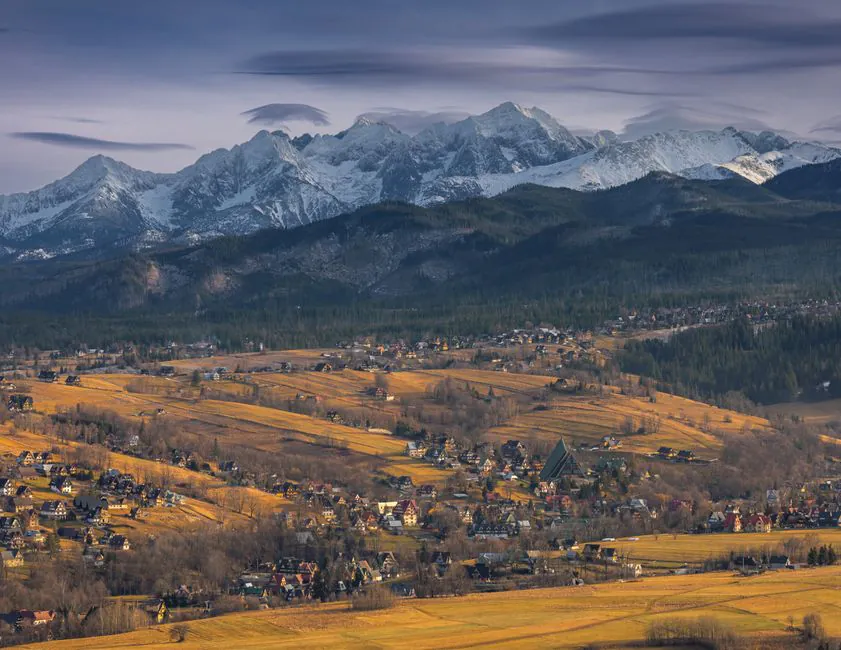
Poland's temperate climate, characterized by moderate temperatures and distinct seasonal changes, offers expats and digital nomads a unique experience, with the warmest months of July and August boasting average highs of around 24-25°C, while the rainiest periods occur during July and May, with 14 and 12 rainy days respectively. The country's climate is marked by chilly winters, with January being the coldest month, and mild springs, making the spring and autumn seasons, from April to May and September to October, the most comfortable periods to relocate or visit, with mild temperatures and fewer rainy days. For those seeking to explore Poland's vibrant culture and stunning landscapes in optimal weather conditions, the best time to visit or relocate is during the spring, when the average high temperatures range from 13-18°C, and the rain is less frequent, making it an ideal season for outdoor activities and exploration.
Political Stability & Governance
Evaluated across Worldwide Governance Indicators (WGI). Scores span approximately -2.5 to 2.5, where higher scores indicate stronger governance, better stability, and lower corruption.
Relocation Guides & Articles
Frequently Asked Questions
What is the tax burden in Poland?
The tax burden in Poland is approximately 35.9%, according to World Bank data.
Is Poland safe?
The homicide rate in Poland is 0.8 per 100,000 people (World Bank).
Are people happy in Poland?
The World Happiness Report scores Poland at 6.8 out of 10.
Head-to-Head Relocation Comparisons
Compare taxes, safety, and living costs of Poland against top alternatives.