Moving to NamibiaShare
While living in Namibia comes with a higher tax burden of 35.6%, expats often benefit from its robust social infrastructure and high quality of life. It hosts a vibrant and diverse expat community, notably drawing a significant number of residents from Angola.
Lifestyle & Vibe
Namibia is one of Africa's more stable and well-governed countries, with Windhoek offering a functional expat social scene, decent coworking spaces, and improving 4G LTE coverage in urban areas. The cost of living is moderate by African standards but higher than most Southeast Asian nomad hubs, and public transport outside the capital is virtually nonexistent - a car is essential. Internet reliability is improving but still inconsistent outside major cities, making it a niche choice rather than a mainstream digital nomad destination. Safety in Windhoek requires urban awareness, as petty crime is common, but the country is generally stable and visa-friendly for short stays.
Digital Freedom & Remote Work
Censorship and network interference data is currently being collected for Namibia.
Society & Demographics
Namibia presents a society with a slight male predominance (48.84%) over females (51.16%), indicating traditional gender dynamics that may influence social structures. With 64.87% of the population connected to the internet, there's a notable digital integration, suggesting potential for rapid development and information exchange. Despite its efforts in education, as reflected by 24.58% of GDP spent on education, Namibia still faces challenges with inequality, marked by a GINI Index of 59.10, highlighting disparities that could impede social mobility. Urbanization at 50.41% and a net migration rate of 1866 individuals over five years indicate a mixed demographic trend towards city living but also suggest ongoing rural-urban movements.
Gender Distribution
Aging Society
Population over 65 years old
Education Spending
UNESCO Data. Indicates focus on public schooling.
Quality of Life
Namibia presents a mixed picture of quality of life, with a life expectancy of 60.36 years indicating moderate health outcomes for its residents. The country’s healthcare system, as reflected by the Universal Health Coverage Index at 66.00, suggests some level of access to medical care, though there are challenges, noted by an obesity rate of 18.26% and a happiness score of 4.78 on a scale of 0-10, highlighting areas for improvement in overall well-being. Additionally, the average working week is quite long at 44.91 hours, which could contribute to stress levels. Air quality, measured by PM2.5 levels at 19.99 µg/m³, is relatively good, and while safety remains a concern with 11.21 homicides per 100,000 people, these data points paint a nuanced picture of Namibia’s current state.
Economic Freedom & Business Climate
Namibia's economy is marked by an inflation rate of 4.24%, reflecting relatively stable prices. Despite a GDP per capita not being available, the country scores 60.2 on the Overall Economic Freedom Scale, indicating moderate economic freedom. The business climate benefits from high trade and monetary freedoms but faces challenges with financial freedom at only 40.0, which limits investment opportunities. Additionally, an unemployment rate of 19.29% suggests significant room for improvement in job creation.
Evaluated across 12 quantitative factors. Scores span 0-100, where higher scores indicate greater economic liberty, lighter tax burdens, and stronger property rights.
Climate Profile (Windhoek)
Namibia has a subtropical desert climate, characterized by scorching hot summers and mild winters, with the hottest periods occurring from October to December, when temperatures often soar above 30 degrees Celsius, while the rainiest months are typically January and February, and December, with an average of 8 to 9 rainy days. The dry winter months from May to August offer a more comfortable climate, with average temperatures ranging from 21 to 25 degrees Celsius, making it the ideal season for expats and digital nomads to relocate or visit, as the dry and sunny weather creates a perfect setting for outdoor activities and exploration. For those seeking to escape the heat and humidity, the best time to experience Namibia's unique landscape and wildlife is during the winter season, when the weather is mild and pleasant, and the scenery is at its most impressive, with clear blue skies and a gentle warmth that makes it perfect for hiking, camping, and taking in the country's natural beauty.
Political Stability & Governance
Evaluated across Worldwide Governance Indicators (WGI). Scores span approximately -2.5 to 2.5, where higher scores indicate stronger governance, better stability, and lower corruption.
Relocation Guides & Articles
August 21, 2026
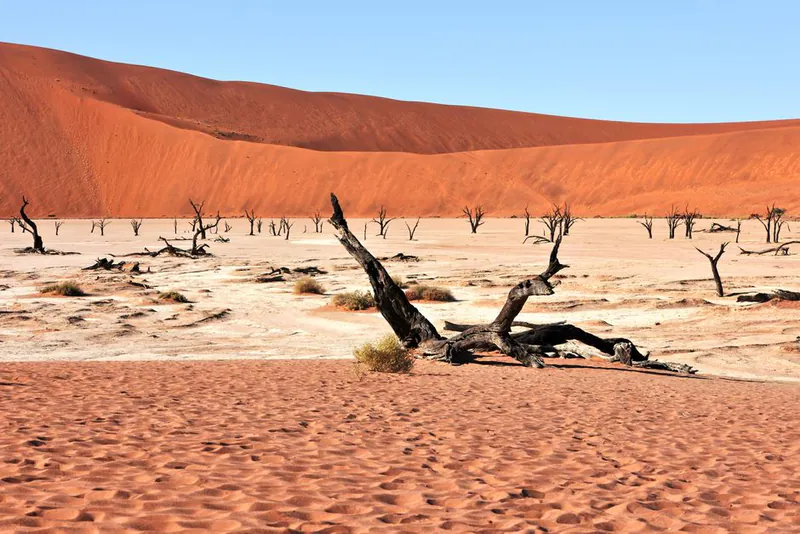
Moving to Namibia in 2026: 0% Tax on Foreign Income, N$4M Retirement Rule, and Windhoek Realities
Namibia offers a territorial tax system with 0% tax on foreign income and pensions, but faces economic slowdown and safety nuances. Here is the 2026 expat guide.
June 30, 2026
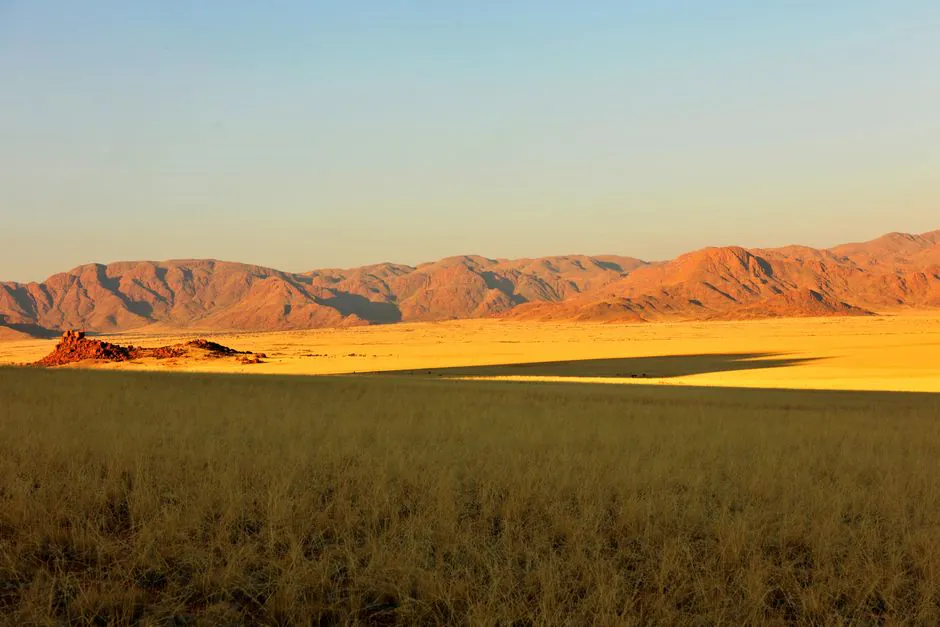
Namibia Digital Nomad Visa 2026: Requirements, Costs, Process, and What Nobody Tells You
A complete guide to Namibia's Digital Nomad Visa for remote workers earning $2,000/month. Discover exact requirements, hidden costs, and step-by-step application details.
Explore Similar Destinations
Frequently Asked Questions
What is the tax burden in Namibia?
The tax burden in Namibia is approximately 35.6%, according to World Bank data.
Is Namibia safe?
The homicide rate in Namibia is 11.2 per 100,000 people (World Bank).
Are people happy in Namibia?
The World Happiness Report scores Namibia at 4.8 out of 10.