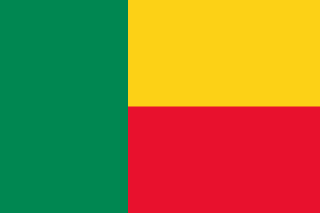
Moving to BeninShare
With a very high English proficiency score of 406, daily communication and business integration are seamless. It hosts a vibrant and diverse expat community, notably drawing a significant number of residents from Togo.
Lifestyle & Vibe
Benin faces an active terrorist insurgency in its northern regions, with jihadist groups from Burkina Faso increasingly spilling across the border - several Western governments have issued high-level travel warnings for northern Benin. Southern coastal areas including Cotonou are more stable, but the country has no digital nomad visa framework, internet infrastructure is inconsistent, and co-working spaces are essentially nonexistent. The cost of living is very low but daily friction - from infrastructure gaps to bureaucratic opacity - is very high for remote workers. Benin is not a practical digital nomad destination given its current security trajectory and infrastructure limitations.
Digital Freedom & Remote Work
Censorship and network interference data is currently being collected for Benin.
Society & Demographics
In Benin, a gender imbalance slightly favors males, with 50.15% of the population being male. The country shows moderate urbanization, with 52.55% of its population residing in cities, reflecting ongoing rural-to-urban migration. Despite this, there is a low net migration rate of -7847, suggesting outmigration over the past five years. Benin’s society demonstrates varying levels of English proficiency and educational investment, as reflected by an EF English Proficiency Score of 406 and an education spending percentage of 18.02% of GDP. Economic inequality is moderate, indicated by a GINI Index of 34.4, while women have made some political gains, with 26.6055% holding positions in parliament.
Gender Distribution
Aging Society
Population over 65 years old
Education Spending
UNESCO Data. Indicates focus on public schooling.
Quality of Life
Benin offers a life expectancy of 64.01 years, with just 2.14 medical doctors per 10,000 people, reflecting challenges in healthcare access. The Universal Health Coverage Index stands at 38.00, indicating limited coverage. While air quality is moderate (51.05 µg/m³), the happiness score of 4.39 on a scale of 0 to 10 and an obesity rate of 12.25% suggest room for improvement in overall well-being. Despite this, Benin's homicide rate of 1.13 per 100,000 people indicates relatively safe living conditions.
Economic Freedom & Business Climate
In Benin, the current economic climate shows a relatively stable inflation rate of 1.16%, with an unemployment rate as low as 1.59%. The nation's overall Economic Freedom Score stands at 60 out of 100, reflecting moderate levels in areas like property rights (46.4), judicial effectiveness (47.7), and monetary freedom (82.1). However, challenges persist with high tax burdens (69.4) and government spending (89.1), which could impact fiscal health (65.4) and hinder financial freedom (50.0).
Evaluated across 12 quantitative factors. Scores span 0-100, where higher scores indicate greater economic liberty, lighter tax burdens, and stronger property rights.
Climate Profile (Porto-Novo)
Benin has a tropical savanna climate, characterized by high temperatures and distinct wet and dry seasons, with the mercury often soaring to scorching highs of over 32 degrees Celsius during the dry season. The period from May to October is the rainiest and coolest time of the year, with June and September being the wettest months, while the hottest months are typically January and December, making the period from November to February the best season to relocate or visit for comfortable weather, with relatively lower temperatures and fewer rainy days. For expats and digital nomads seeking a warm yet welcoming climate, the winter months offer a sweet spot, with average temperatures ranging from 23 to 32 degrees Celsius, making Benin an attractive destination for those looking to escape the chill and bask in the tropical sun.
Political Stability & Governance
Evaluated across Worldwide Governance Indicators (WGI). Scores span approximately -2.5 to 2.5, where higher scores indicate stronger governance, better stability, and lower corruption.
Relocation Guides & Articles

Explore Similar Destinations
Frequently Asked Questions
Is Benin safe?
The homicide rate in Benin is 1.1 per 100,000 people (World Bank).
Are people happy in Benin?
The World Happiness Report scores Benin at 4.4 out of 10.