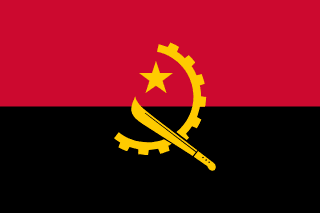
Moving to AngolaShare
Angola is a solid destination for global professionals, featuring a moderate tax burden of 18.2%. With a very high English proficiency score of 413, daily communication and business integration are seamless. It hosts a vibrant and diverse expat community, notably drawing a significant number of residents from Guinea-Bissau.
Lifestyle & Vibe
Angola faces ongoing low-level instability, particularly in border regions, alongside extreme inequality, high crime rates in Luanda, and one of the highest costs of living in sub-Saharan Africa for foreigners. Internet infrastructure is unreliable outside the capital, co-working spaces are virtually nonexistent, and the expat social scene is limited to oil industry workers and NGO staff. Cashless payments are inconsistently available and the local currency (kwanza) is subject to inflation. Angola is not a viable digital nomad destination and presents significant daily friction for remote workers.
Digital Freedom & Remote Work
Censorship and network interference data is currently being collected for Angola.
Society & Demographics
In Angola, the population is predominantly female, with 50.52% of the populace being women, a notable deviation from global averages. Urbanization stands at 70.66%, indicating significant growth in city populations, while only 40.7% of the population has internet access, pointing to disparities in digital inclusion. The country's GINI index of 51.3 suggests moderate income inequality, and it is interesting to note that women hold a substantial 39.55% of parliamentary seats, reflecting a gender balance in political representation.
Gender Distribution
Aging Society
Population over 65 years old
Education Spending
UNESCO Data. Indicates focus on public schooling.
Quality of Life
In Angola, the quality of life is marked by a life expectancy of 62.1300 years, reflecting challenges in healthcare access and general well-being. The country faces significant health disparities, as indicated by only 2.0200 medical doctors per 10k people and a Universal Health Coverage Index of 44.0000. Additionally, an obesity rate of 12.6900% and a happiness score of 3.7950 on a scale of 0-10 suggest multiple socio-economic and health-related issues. Despite these challenges, the air quality, represented by PM2.5 levels at 25.1500 µg/m³, is relatively good compared to some other nations, which could positively impact general well-being.
Economic Freedom & Business Climate
The economy of Angola faces significant challenges, as indicated by a high inflation rate of 28.2400% and an overall Economic Freedom Score of 54.4000, placing it below the global average. The country's fiscal health is strong with a Fiscal Health score of 91.9000, but this is overshadowed by issues such as low Property Rights (36.9000) and weak Government Integrity (28.3000), which affect business climate negatively. Financial freedom remains constrained at 40.0000, reflecting limited access to financial services for many Angolans despite its vast resource wealth.
Evaluated across 12 quantitative factors. Scores span 0-100, where higher scores indicate greater economic liberty, lighter tax burdens, and stronger property rights.
Climate Profile (Luanda)
Angola's tropical savanna climate is characterized by warm temperatures and distinct wet and dry seasons, with the hottest period typically occurring from February to April when average maximum temperatures soar to over 30 degrees Celsius. The rainiest periods of the year are from March to April and November to December, with April being the wettest month, while the dry season from June to August offers the most pleasant weather, making it the ideal time for expats and digital nomads to relocate or visit and enjoy comfortable temperatures ranging from 20 to 28 degrees Celsius. For those seeking to escape the scorching heat and torrential rains, the best season to visit Angola is from June to August, when the dry climate and mild temperatures create a perfect blend of sunshine and serenity, making it an attractive destination for travelers and expats alike.
Political Stability & Governance
Evaluated across Worldwide Governance Indicators (WGI). Scores span approximately -2.5 to 2.5, where higher scores indicate stronger governance, better stability, and lower corruption.
Relocation Guides & Articles

Frequently Asked Questions
What is the tax burden in Angola?
The tax burden in Angola is approximately 18.2%, according to World Bank data.
Is Angola safe?
The homicide rate in Angola is 4.1 per 100,000 people (World Bank).
Are people happy in Angola?
The World Happiness Report scores Angola at 3.8 out of 10.