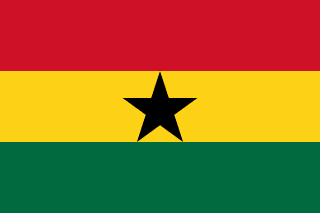
Moving to GhanaShare
Ghana is a solid destination for global professionals, featuring a moderate tax burden of 15.0%. With a very high English proficiency score of 540, daily communication and business integration are seamless. It hosts a vibrant and diverse expat community, notably drawing a significant number of residents from Togo.
Lifestyle & Vibe
Ghana is West Africa's most stable democracy and has emerged as the region's most credible hub for internationally mobile professionals and diaspora returnees, with Accra offering improving internet infrastructure, a growing co-working scene (Impact Hub Accra, iSpace), and a genuine tech and startup ecosystem. The cost of living is moderate - significantly cheaper than Europe but higher than most people expect for West Africa - and the cedi's depreciation has caused real inflation pain, though this makes Ghana cheaper for hard-currency earners. English is the official language, the expat social scene is active and diverse, and Ghana's "Year of Return" and "Beyond the Return" campaigns have created real infrastructure and community investment for diaspora and international arrivals. Power outages ("dumsor") remain a periodic reality and should factor into your backup power planning.
Digital Freedom & Remote Work
Censorship and network interference data is currently being collected for Ghana.
Society & Demographics
Ghana's society is evenly divided between males and females at 49.94% and 50.06%, respectively, with a high level of internet penetration at 72.18%. The country scores moderately on the EF English Proficiency Index with a score of 540, indicating reasonable proficiency in English across the population. Despite this, there is notable socio-economic inequality as reflected by a GINI index of 43.50, and women's representation in politics remains low at only 14.5455% of parliamentary seats. Ghana is experiencing urbanization with 58.37% of its population residing in cities, while a relatively small portion (3.71%) is over 65 years old, suggesting a young demographic.
Gender Distribution
Aging Society
Population over 65 years old
Education Spending
UNESCO Data. Indicates focus on public schooling.
Quality of Life
Ghana has a life expectancy of 66.1000 years, reflecting its overall health status. However, the country faces challenges with only 2.8900 medical doctors per 10k people, as indicated by its Universal Health Coverage Index at 56.0000. Despite these limitations, Ghana's quality of life is further compromised by an obesity rate of 14.5500% and air pollution levels of 54.2400 µg/m³, though it maintains a relatively low homicide rate with 1.8300 per 100k people and an average working week of 35.23 hours.
Economic Freedom & Business Climate
The economy of Ghana faces several challenges as evidenced by its overall Economic Freedom Score of 57.30, which places it below average compared to other countries. With an inflation rate of 22.85%, the country grapples with high prices and reduced purchasing power for citizens. Despite this, business freedom is relatively strong at 64.50, indicating a conducive environment for entrepreneurship. However, significant issues like government spending (84.00), tax burden (79.40), and fiscal health (10.10) highlight the need for better financial management to enhance long-term stability and growth.
Evaluated across 12 quantitative factors. Scores span 0-100, where higher scores indicate greater economic liberty, lighter tax burdens, and stronger property rights.
Climate Profile (Accra)
Nestled along the Gulf of Guinea, Ghana has a tropical savanna climate, characterized by warm temperatures year-round with distinct wet and dry seasons. The peak heat occurs from April to July, with the mercury soaring in May when average maximums reach up to 31°C, making it the hottest month. Rainfall is most abundant during the months of June through September, with July being particularly soggy, boasting an average of 24 rainy days. For those seeking comfortable weather, October and November offer a balmy respite, providing the ideal climate for relocation or a visit without the oppressive heat and heavy downpours.
Political Stability & Governance
Evaluated across Worldwide Governance Indicators (WGI). Scores span approximately -2.5 to 2.5, where higher scores indicate stronger governance, better stability, and lower corruption.
Relocation Guides & Articles
Explore Similar Destinations
Frequently Asked Questions
What is the tax burden in Ghana?
The tax burden in Ghana is approximately 15.0%, according to World Bank data.
Is Ghana safe?
The homicide rate in Ghana is 1.8 per 100,000 people (World Bank).
Are people happy in Ghana?
The World Happiness Report scores Ghana at 4.6 out of 10.