
Moving to TanzaniaShare
Relocating to Tanzania is highly attractive for expats looking for tax optimization, offering a very competitive tax burden of 14.5%. With a very high English proficiency score of 479, daily communication and business integration are seamless.
Lifestyle & Vibe
Tanzania's digital nomad infrastructure is limited but improving, primarily centered on Dar es Salaam and Zanzibar, where a small but growing community of remote workers has taken advantage of affordable costs and the island's lifestyle appeal. Internet speeds in Zanzibar are inconsistent and often a bottleneck, particularly outside Stone Town, though 4G LTE has improved coverage. Monthly living costs on the island run $700 - $1,200 depending on lifestyle, making it affordable but with the tradeoffs of infrastructure unreliability and limited coworking options. It's a viable slow-travel base for nomads willing to invest in a quality local SIM and manage connectivity expectations.
Digital Freedom & Remote Work
Censorship and network interference data is currently being collected for Tanzania.
Society & Demographics
Tanzania presents a balanced gender distribution with slightly more females than males comprising 50.43% of the population. Urbanization is at 36.17%, revealing that about one-third of Tanzanians live in cities, while almost 65% reside in rural areas. The country shows moderate English proficiency with an EF English Proficiency Score of 479, indicating a significant gap for improvement in language skills. Despite progress, income inequality persists as reflected by the GINI Index at 40.5, and there's steady migration with a net outflow of -12,730 people over five years. Education spending accounts for 13.41% of GDP, highlighting Tanzania’s commitment to education yet suggesting room for further investment.
Gender Distribution
Aging Society
Population over 65 years old
Education Spending
UNESCO Data. Indicates focus on public schooling.
Quality of Life
Tanzania's quality of life presents a mixed picture with some challenges and opportunities for improvement. With a life expectancy of 66.8100 years, the country faces significant health issues that are partially addressed by a healthcare system featuring approximately 1.7500 doctors per 10,000 people, yet universal health coverage remains limited at an index of 49.0000. While air quality is relatively good with an average PM2.5 level of 25.0800 µg/m³ and the homicide rate being low at 3.7500 per 100,000, other factors such as obesity (11.5100%) and a lower happiness score of 3.9020 out of 10 highlight areas for enhancement in overall well-being.
Economic Freedom & Business Climate
Tanzania presents a mixed picture when it comes to its economic landscape, with some promising indicators amidst challenges. The country's inflation rate stands at 3.06%, fostering stable pricing conditions that are favorable for both businesses and consumers. However, the overall Economic Freedom Score of 59 out of 100 points suggests room for improvement in various sectors. While property rights score relatively lower at 45.2, other areas such as labor freedom (62.3) and monetary freedom (73.4) showcase a more positive outlook, indicating potential opportunities for business growth. Despite these insights, the high tax burden of 80.4% and significant government spending of 89.1% could pose challenges to financial stability and investment climate.
Evaluated across 12 quantitative factors. Scores span 0-100, where higher scores indicate greater economic liberty, lighter tax burdens, and stronger property rights.
Climate Profile (Dodoma)
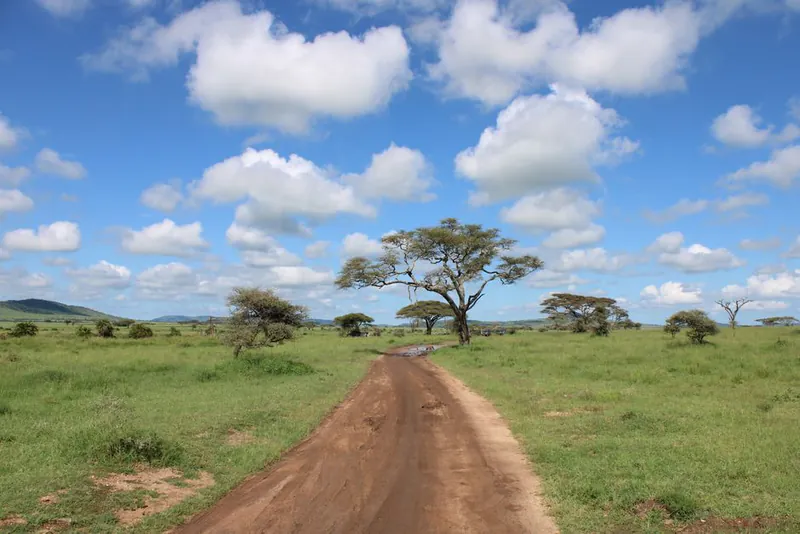
Nestled beneath the equator, Tanzania has a predominantly tropical savanna climate, with distinct periods of heat and relative coolness. The hottest months, from October to November, see soaring temperatures reaching up to 31 degrees Celsius, making it the rainiest season as well, with an average of 22 rainy days. For those seeking more comfortable weather, the drier and cooler period from May to June offers optimal conditions for relocating or visiting, with minimal rainfall and pleasant daytime highs around 27 degrees Celsius.
Political Stability & Governance
Evaluated across Worldwide Governance Indicators (WGI). Scores span approximately -2.5 to 2.5, where higher scores indicate stronger governance, better stability, and lower corruption.
Relocation Guides & Articles
Explore Similar Destinations
Frequently Asked Questions
What is the tax burden in Tanzania?
The tax burden in Tanzania is approximately 14.5%, according to World Bank data.
Is Tanzania safe?
The homicide rate in Tanzania is 3.8 per 100,000 people (World Bank).
Are people happy in Tanzania?
The World Happiness Report scores Tanzania at 3.9 out of 10.