
Moving to EstoniaShare
While living in Estonia comes with a higher tax burden of 38.3%, expats often benefit from its robust social infrastructure and high quality of life. With a very high English proficiency score of 561, daily communication and business integration are seamless. It hosts a vibrant and diverse expat community, notably drawing a significant number of residents from Ukraine.
Lifestyle & Vibe
Estonia is legitimately one of the world's most advanced digital societies - government services, tax filing, banking, and even voting happen online, internet infrastructure is excellent nationwide, and Tallinn has a well-developed startup ecosystem and co-working culture that attracted serious tech talent long before digital nomad visas became fashionable. The e-Residency program and dedicated Digital Nomad Visa make Estonia one of the easiest EU-jurisdiction countries to establish a legal business and professional presence in, with relatively low bureaucratic friction. The cost of living in Tallinn is moderate by Western EU standards and rising, the expat social scene is tech-forward and English-fluent, and public transport is efficient and free for registered residents. Winters are dark and cold, which is a genuine lifestyle factor, but the summer compensation with long daylight hours is real - and the Baltic startup community provides consistent professional networking year-round.
Digital Freedom & Remote Work
Censorship and network interference data is currently being collected for Estonia.
Society & Demographics
Estonia presents a highly digital society with an internet penetration rate of 92.24%, reflecting its strong commitment to technology. The population is slightly more female than male (52.45% females), and English proficiency scores at 561 indicate a generally well-equipped populace for international communication. However, the GINI index of 30.7 suggests moderate income inequality, which is somewhat alleviated by high education spending as a share of GDP (13.03%). Urbanization stands at 70.7%, with 29.7% women in parliament, indicating a balanced but evolving gender representation in governance.
Gender Distribution
Aging Society
Population over 65 years old
Education Spending
UNESCO Data. Indicates focus on public schooling.
Quality of Life
Estonia ranks well in terms of quality of life, boasting a life expectancy of 77.1300 years and an obesity rate of 20.3200%, which suggests a generally healthy population. The country excels in healthcare with 34.9000 medical doctors per 10k people and a Universal Health Coverage Index of 79.0000, indicating accessible and effective health services. Estonia’s commitment to environmental quality is evident through its air quality index of 6.1500 µg/m³ (PM2.5), contributing to the overall well-being of its citizens. With a happiness score of 6.4100 on a scale from 0-10, Estonia balances work-life effectively with an average working week of 35.2 hours and enjoys low levels of crime as indicated by a homicide rate of 1.5400 per 100k people, fostering a safe environment for its residents.
Economic Freedom & Business Climate
Estonia has a robust economy with an overall Economic Freedom Score of 78.7000, ranking it among the most free economies globally. The low unemployment rate at 8.3100% and high fiscal health index of 93.1000 underscore strong economic stability. Key factors contributing to Estonia's favorable business climate include excellent property rights (93.6000), judicial effectiveness (92.4000), and significant investment freedom (90.0000), which collectively facilitate financial freedom of 70.0000, making it an attractive destination for both domestic and foreign investments.
Evaluated across 12 quantitative factors. Scores span 0-100, where higher scores indicate greater economic liberty, lighter tax burdens, and stronger property rights.
Climate Profile (Tallinn)
Estonia has a humid continental climate, characterized by warm summers and icy winters, with the hottest period typically occurring in July, when the average maximum temperature reaches a pleasant 21.67°C, and the rainiest months being July and August, with 16 rainy days each. The country's temperate climate is marked by significant seasonal variations, with the winter months, such as January and February, being the coldest and darkest, while the spring and autumn seasons offer a gentle balance of temperatures and precipitation. For expats and digital nomads seeking comfortable weather, the best time to relocate or visit Estonia is during the spring, from April to May, or the autumn, from September to October, when the temperatures are mild, ranging from 9°C to 16°C, and the number of rainy days is relatively lower, making it an ideal time to explore the country's stunning landscapes and vibrant culture.
Political Stability & Governance
Evaluated across Worldwide Governance Indicators (WGI). Scores span approximately -2.5 to 2.5, where higher scores indicate stronger governance, better stability, and lower corruption.
Relocation Guides & Articles
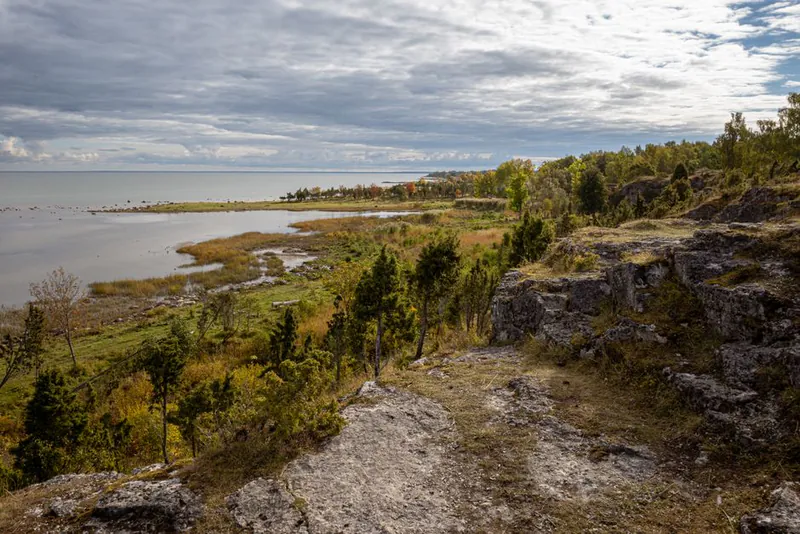
July 10, 2026
Estonia Digital Nomad Visa 2026: The €4,500 Threshold, Tax Truths, and the 548-Day Hard Limit
A realistic 2026 guide to Estonia's Digital Nomad Visa, covering the €4,500 income requirement, flat taxes, and the strict 548-day limit.
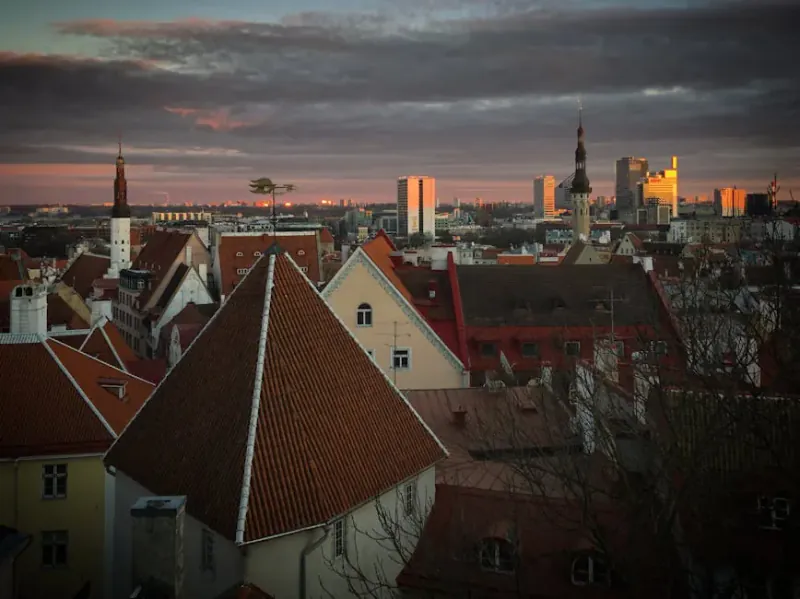
June 9, 2026
Moving to Estonia in 2026: 22% Flat Tax, Digital Nomad Visa & e-Residency
Estonia kept its flat 22% tax rate and world-renowned e-Residency program. Explore 2026 digital nomad visa rules, Tallinn rents, and digital government.
Explore Similar Destinations
Frequently Asked Questions
What is the tax burden in Estonia?
The tax burden in Estonia is approximately 38.3%, according to World Bank data.
Is Estonia safe?
The homicide rate in Estonia is 1.5 per 100,000 people (World Bank).
Are people happy in Estonia?
The World Happiness Report scores Estonia at 6.4 out of 10.
Head-to-Head Relocation Comparisons
Compare taxes, safety, and living costs of Estonia against top alternatives.