
Moving to Costa RicaShare
Costa Rica is a solid destination for global professionals, featuring a moderate tax burden of 27.4%. With a very high English proficiency score of 516, daily communication and business integration are seamless. It hosts a vibrant and diverse expat community, notably drawing a significant number of residents from Nicaragua.
Lifestyle & Vibe
Costa Rica has a well-established digital nomad visa (the Rentista/Digital Nomad Visa) and a legitimate remote work infrastructure in San José and beach hubs like Santa Teresa and Tamarindo, making it one of Latin America's top relocation choices. The cost of living is moderate by regional standards - higher than Colombia or Mexico, but significantly lower than the US - and the expat social scene is large, active, and English-friendly. Cashless payments are increasingly common in urban areas, public transport in rural zones is poor so a car is practical, and petty theft remains a real concern in tourist corridors. Healthcare quality at private clinics is solid, the time zone aligns well with US clients, and the stable democracy makes long-term residency genuinely viable.
Digital Freedom & Remote Work
Censorship and network interference data is currently being collected for Costa Rica.
Society & Demographics
In Costa Rica, the population is slightly more female than male, with 49.51% males and 50.49% females as of recent data. The country has a high internet penetration rate of 87.17%, indicating widespread digital connectivity. With an EF English Proficiency Score of 516, the nation demonstrates commendable linguistic capabilities. Costa Rica also stands out with its relatively equal gender representation in governance, where women hold 49.12% of parliamentary seats, and educational investment, reflected in education spending that constitutes 20.38% of GDP.
Gender Distribution
Aging Society
Population over 65 years old
Education Spending
UNESCO Data. Indicates focus on public schooling.
Quality of Life
In Costa Rica, the quality of life is notably high with a life expectancy of 78.63 years, reflecting robust health standards. The country has an impressive Universal Health Coverage Index of 84.00, ensuring widespread access to medical care; there are 26.87 doctors per 10,000 people, contributing significantly to its healthcare system's effectiveness. While the obesity rate stands at 32.70%, other factors like a happiness score of 7.439 out of 10 and average working hours of just 43.18 hours per week enhance overall well-being. Additionally, with excellent air quality measuring only 14.31 µg/m³ (PM2.5), Costa Rica provides a pleasant living environment that supports public health.
Economic Freedom & Business Climate
The economy of Costa Rica exhibits a balanced performance with an inflation rate of -0.41%, unemployment at 6.84%, and an overall Economic Freedom Score of 69.10, demonstrating a favorable business climate. However, despite strengths in property rights (66.00) and judicial effectiveness (76.90), there are notable areas for improvement, particularly in financial freedom (40.00). The high government spending at 89.30% may affect long-term fiscal health, currently rated at 75.60%. Business freedom stands out with a score of 79.90, making it an attractive destination for investors.
Evaluated across 12 quantitative factors. Scores span 0-100, where higher scores indicate greater economic liberty, lighter tax burdens, and stronger property rights.
Climate Profile (San José)
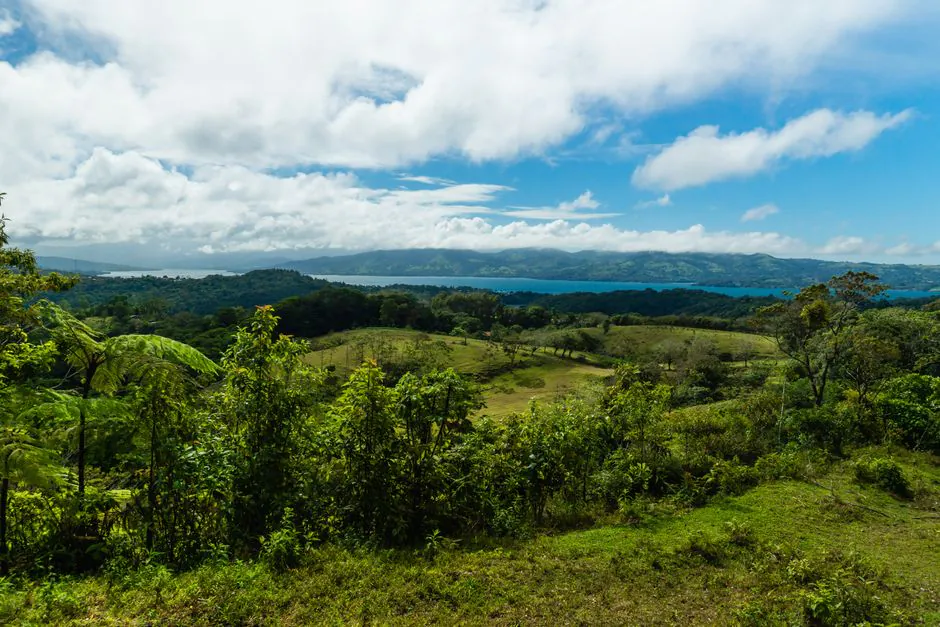
Costa Rica has a lush tropical climate, characterized by warm temperatures and high levels of rainfall throughout the year, with the hottest period typically occurring from March to April, and the rainiest months being from May to October, where the rain days are at their peak. The data reveals that the months from December to February are the most favorable, offering a relatively dry and comfortable climate, making it an ideal season for expats and digital nomads to relocate or visit, with average temperatures ranging from 24 to 26 degrees Celsius. For a truly unforgettable experience, it's highly recommended to plan a visit or relocation during the dry season, from December to April, when the weather is warm and sunny, with fewer rain days, allowing for endless exploration of Costa Rica's stunning natural beauty and vibrant culture.
Political Stability & Governance
Evaluated across Worldwide Governance Indicators (WGI). Scores span approximately -2.5 to 2.5, where higher scores indicate stronger governance, better stability, and lower corruption.
Relocation Guides & Articles

July 12, 2026
Costa Rica Digital Nomad Visa 2026: The Brutal Truth About the $3,000 Loophole
A comprehensive 2026 guide to Costa Rica's Digital Nomad Visa. Discover the $3,000 income requirement, zero local taxes, and the strict administrative realities.
June 26, 2026
Live Tax-Free in Costa Rica: The 2026 Expat Guide to Healthcare, Visas, and Pura Vida
Everything you need to know about relocating to Costa Rica in 2026. Learn about the 0% tax on foreign income, the public CCSS healthcare system, the digital nomad visa requirements, and the 7-year path to citizenship.
Frequently Asked Questions
What is the tax burden in Costa Rica?
The tax burden in Costa Rica is approximately 27.4%, according to World Bank data.
Is Costa Rica safe?
The homicide rate in Costa Rica is 17.8 per 100,000 people (World Bank).
Are people happy in Costa Rica?
The World Happiness Report scores Costa Rica at 7.4 out of 10.
Head-to-Head Relocation Comparisons
Compare taxes, safety, and living costs of Costa Rica against top alternatives.