Live Tax-Free in Costa Rica: The 2026 Expat Guide to Healthcare, Visas, and Pura Vida
June 26, 2026
Share60,000 Americans already live here permanently. Costa Rica has been absorbing expat waves for four decades - retirees first, then families, now a flood of remote workers who discovered that a territorial tax system means 0% Costa Rican tax on every dollar they earn abroad, the CCSS public healthcare system ranks above the United States globally, and a furnished apartment in Escazú runs $900-$1,200/month.[1][2][3]
The counter-facts are real too. San José's Crime Index is 65.76 (High) on Numbeo - violent robbery, carjacking, and drug-related crime are daily concerns in parts of the capital. Processing times for temporary residency permits are currently 18-24 months - meaning you spend nearly two years in legal limbo while waiting for a residence card. The CCSS surgical wait list averages 423 days for non-urgent procedures - which is why virtually every long-term expat runs two systems simultaneously. The Digital Nomad Visa's 180-day physical presence requirement for renewal is consistently misreported in expat blogs as 80 days - the correct figure is 180, confirmed by Law 10008, Article 15. And citizenship takes 7 years for most nationalities, requires a written Spanish language and civics exam, and the Costa Rican colón has appreciated sharply against the dollar, eroding the cost advantage that made Costa Rica famous.[4][5][6][7][8][9]
Costa Rica rewards those who arrive knowing what they are actually getting - not the version the retirement industry sells.
The Economy: Central America's Best-Performing, Now Entering a Cooler Phase
Costa Rica grew 4.6% in 2025 - one of the strongest performances in the Western Hemisphere. The IMF forecasts 3.6% for 2026, the World Bank has revised its projection to 3.5%. Both institutions describe the slowdown as global-demand driven rather than structural - free zone exports (medical devices, advanced manufacturing, business services) and inbound FDI continue to be the engines.[10][11][9][12][13]
GDP per capita reached approximately $20,100 in 2026. Public debt is on a declining trajectory, projected at 58.2% of GDP by 2027. Inflation: essentially zero - the Central Bank's own data shows headline inflation at approximately 1.0% in 2026, well below its 2-4% tolerance band. The stronger colón is the direct consequence - and the principal complaint of dollar-earning expats whose local purchasing power has declined in real terms compared to 2020-2022 levels.[9][12][14][10]
Sectors actively hiring in Costa Rica, 2026:[3][12][13]
- Medical devices and advanced manufacturing: Costa Rica's free zones house Intel, Medtronic, Boston Scientific, Abbott, and dozens of smaller manufacturers; process engineering, quality, regulatory, and supply chain roles are consistently in demand; Spanish and English bilingual candidates preferred
- Business process outsourcing and shared services: Amazon, HP, IBM, Procter & Gamble, and many financial services firms operate regional hubs in the San José metropolitan area - customer service, finance, HR, legal, and tech support roles at all seniority levels
- Technology and software: A growing local tech sector centred on Escazú and Barrio Escalante; Costa Rica has produced a cluster of regional SaaS and fintech companies; senior developers and product managers are chronically undersupplied
- Tourism and hospitality: Costa Rica received 3.3+ million tourists in 2025; management, marketing, sustainability, and operations roles in both established and boutique hotel groups
- Agriculture and agri-tech: Coffee, pineapple, bananas, and specialty crops for export; research, supply chain, and export management roles
- Education: A significant market for English-language teachers at international schools; TEFL-qualified teachers are in permanent demand
The colón and dollar reality: Real estate is priced in USD. Many rental contracts are denominated in USD. Supermarkets, restaurants, and services are priced in colones (CRC). As of June 2026, the exchange rate is approximately 530 CRC per USD. Dollar earners benefit from a dual-currency economy where some costs price in local terms - but the appreciated colón means that the era of Costa Rica as uniformly cheap by Western standards is over for anyone comparing seriously to the 2015-2019 period.[15]
Visas and Residency: Four Routes That Work, One Bureaucratic Reality That Doesn't
Every residency route in Costa Rica shares the same bottleneck: the Dirección General de Migración y Extranjería (DGME) processes temporary residency applications in 18-24 months. You apply, you wait, and during that time you hold a receipt (a carta de solicitud) that confirms your application is in process - sufficient for opening a bank account and enrolling in CCSS, but not a substitute for a full residence card.[4]
For most nationalities, including Americans, Canadians, Australians, and all EU citizens, Costa Rica offers visa-free entry for up to 180 days - which means you can arrive, begin building your life, start your residency application, and wait out most of the processing period without any immigration pressure.[4]
November 2025 update: Costa Rica introduced a four-group visa classification. Holders of a valid US, Canadian, EU, or Schengen residency or visa may enter Costa Rica visa-free regardless of their passport nationality - a significant expansion that benefits many non-Western nationals who hold legal status in those jurisdictions.[4]
Route 1: Digital Nomad Visa (Estancia para Trabajadores Remotos)
The fastest route to legal status in Costa Rica. Processing time: 15 calendar days. No path to permanent residency - this is a non-residency permit, not a temporary residence permit - but it is the cleanest short-term legal framework for remote workers.[8][16]
Requirements (2026):[17][16][8]
| Requirement | Solo Applicant | With Dependents |
|---|---|---|
| Minimum monthly income | $3,000 USD | $4,000 USD (regardless of family size) |
| Income proof | 12 months of bank statements showing consistent foreign deposits | Same |
| Health insurance | $50,000 USD minimum coverage per person (international or Costa Rican policy) | $50,000 per person, including each dependent |
| Application fee | $100 USD per person | $100 per person |
| DIMEX card fee | $90 USD | $90 per person |
| Criminal background check | Apostilled | Apostilled |
| Duration | 1 year, renewable once (maximum 2 years total) | Same |
| Minimum physical presence for renewal | 180 days in Costa Rica during the year | Same |
Application channel: Filed via the Trámite Ya digital platform or in person at DGME offices in San José. Portal access has been intermittent - confirm the platform status before beginning the online process. The 15-day processing clock starts only when the complete file is received.[8]
The 180-day renewal trap. This is the most commonly misreported fact about the DN visa. Every major expat blog has at some point cited the renewal requirement as 80 days. The correct figure is 180 days of physical presence in Costa Rica during the first year, per Law 10008, Article 15. If your work requires significant international travel, the DN visa may not be sustainable beyond year one.[8]
- Complete income tax exemption on foreign earnings (Costa Rica's territorial system)
- Right to open a Costa Rican bank account (normally requires residency)
- Home country driver's licence valid in Costa Rica during the permit period
- One-time exemption from import taxes on household goods brought into Costa Rica
- Exemption from import taxes and VAT on up to two personal vehicles
- 20% reduction on the property transfer tax on real estate purchased during the visa period
No path to PR. Time on the DN visa does not count toward the 3-year permanent residency clock. If you want PR, switch to Rentista or Pensionado before your DN expires and start the clock.[8]
Route 2: Pensionado (Retiree Residency)
The simplest route for retirees, the most popular category for North American expats, and the most forgiving income threshold.[19][4]
Requirements:
- Guaranteed lifetime pension income of $1,000 USD/month minimum - Social Security, government pension, private annuity, military retirement pay - all qualify
- Income must be guaranteed for life; investment portfolio distributions do not qualify as "pension income" under this category
- Valid passport, apostilled birth certificate, apostilled police clearance
- CCSS enrollment (mandatory once residency approved)
- Government filing fee: $50 USD; DIMEX card: $125 USD
Duration: 2-year renewable permit. After 3 years of consecutive residency, eligible for permanent residency. After 7 years, eligible for citizenship (5 years if your nationality is a Spanish-speaking or Ibero-American country).[20][6]
Dependents: Spouse and children under 18 (or adult disabled children) can be added as dependents on the Pensionado primary applicant at no income threshold increase.
Route 3: Rentista (Passive Income Residency)
For those with passive income who do not qualify as retirees - income investors, remote business owners, property rental income recipients, dividend earners, or those who haven't yet reached retirement age.[19]
Requirements:
- $2,500 USD/month minimum passive income, guaranteed for at least 2 years - bank letter confirming the income stream required
- Alternative: A $60,000 USD deposit in a Costa Rican bank (Banco Nacional, Banco de Costa Rica, or other authorised institution), released to you at $2,500/month over 24 months
- Apostilled birth certificate, apostilled criminal background check, proof of accommodation
- CCSS enrollment required
Filing fees: $50 USD application + $200 USD change-of-category fee + $125 USD DIMEX.[19]
Path to PR: After 3 years of consecutive Rentista residence, eligible for permanent residency.[19][4]
Critical distinction from DN visa: The Rentista is a temporary residency permit - time counts toward PR and citizenship. The Digital Nomad visa does not count. If your income qualifies for both, Rentista is the strategically superior choice unless you need the 15-day processing speed of the DN visa.
Route 4: Inversionista (Investor Residency)
For those who commit capital to Costa Rica directly.[21][4]
Requirements (2026, Law 9996):
- Minimum investment of $150,000 USD in Costa Rican real estate, a registered business entity, or qualifying financial assets (government bonds, regulated investment instruments)
- Investment must be active and registered with the relevant authority (National Registry for real estate, Ministry of Economy for business)
- Business plan and evidence of economic activity for business investments
Important nuance: Purchasing property worth $150,000+ gives you eligibility to apply for the Inversionista visa - it does not automatically grant residency. You must still file the application with DGME with full documentation.[22][21]
Path to PR: Same as Rentista - 3 years to permanent residency, 7 years to citizenship.[4]
Practical Residency Timeline Reality
Under all temporary residency routes (Pensionado, Rentista, Inversionista), DGME processing runs 18-24 months from complete file submission. The most important practical point: you can legally remain in Costa Rica during this entire period as a tourist (US, Canadian, and EU nationals have 180-day visa-free entry), exit briefly, re-enter, and continue waiting. The application clock does not reset during the tourist stay.[4]
CCSS enrollment: Required as a condition of residency - not optional. The DGME will not issue a final residency card without CCSS evidence. Enroll at any CCSS office with your application receipt and income documentation.[2]
The DIMEX card is your Costa Rican identity document once residency is granted - required for everything from bank accounts to signing contracts to registering a vehicle. Collect it at DGME within 3 months of approval or your status is cancelled.[8]
Taxes: The Territorial System That Changes Everything
Costa Rica operates a strict territorial tax system - income generated outside Costa Rica is simply not subject to Costa Rican income tax, for residents and non-residents alike.[23][1]
This means:
- Foreign pension income: 0% Costa Rican income tax
- US Social Security or European pension: 0% Costa Rican income tax
- Remote work income from foreign employers or clients: 0% Costa Rican income tax
- Dividends from foreign listed shares: 0% Costa Rican income tax
- Capital gains on foreign assets: 0% Costa Rican income tax
- Rental income from property abroad: 0% Costa Rican income tax
The territorial system is statutory law - not a temporary regime, not a special permit, not a quota. It applies automatically to all residents and is the foundational reason Costa Rica is consistently ranked among the world's top 10 destinations for retirees and remote workers.[1][15]
2026 Costa Rican Income Tax Brackets (Costa Rica-Source Income Only)[24]
For employees (wage/salary earners from Costa Rican employers), monthly:
| Monthly Income (CRC) | Tax Rate |
|---|---|
| Up to ₡918,000 (~$1,732 USD) | Exempt |
| ₡918,001 - ₡1,347,000 (~$2,542 USD) | 10% |
| ₡1,347,001 - ₡2,364,000 (~$4,460 USD) | 15% |
| ₡2,364,001 - ₡4,727,000 (~$8,919 USD) | 20% |
| Above ₡4,727,000 (~$8,919 USD) | 25% |
Top rate: 25% - less than half of Belgium's top rate, and it applies only to local Costa Rican income. A professional earning $8,000/month remotely from a US employer pays zero Costa Rican income tax on that salary.[24][1]
For self-employed individuals with business activities (independent contractors, freelancers working for Costa Rican clients), the same progressive structure applies but with a 25% flat deduction on gross income for costs, effective from 2026 under the Law 10667 reform.[25][24]
Social Security Contributions (CCSS)[2][1]
| Contribution | Rate |
|---|---|
| Employee (Costa Rican employer payroll) | 10.67% of gross salary |
| Employer (Costa Rican employer) | ~26.8% of gross salary |
| Self-employed / voluntarily enrolled residents | 12.16% of self-declared income |
| Minimum monthly CCSS contribution (Pensionado / Rentista) | ~$70-$110/month for $1,000 declared income |
Remote workers earning from foreign sources - who are not employed by Costa Rican entities - enroll in CCSS as voluntary contributors at 12.16% of their declared income. The declared income figure for most Rentistas and Pensionados is the minimum qualifying income, making CCSS contributions moderate in practice.[26][2]
Capital Gains, Property, and Investment Taxes[27][23]
| Income/Asset Type | Rate | Notes |
|---|---|---|
| Capital gains on Costa Rica-source assets | 15% | New regime (Law 9635); applies to gains realised after July 2019 |
| Capital gains on assets acquired before July 2019 | 0% | Grandfathered; seller provides sworn declaration |
| Dividends from Costa Rican companies | 15% withholding | Withheld at source |
| Interest income (Costa Rican bank accounts, bonds) | 8% | Withheld at source |
| Annual property tax | 0.25% of registered value | One of the lowest in the Americas |
| Luxury property surcharge (over ₡137M/$258K registered value) | Additional 0.25%-0.55% | Applied on value in excess of the threshold |
| Property transfer tax | 1.5% of declared price | Buyer or split by negotiation; plus 0.8% documentary stamps |
| VAT (IVA) | 13% standard | Food basics: 1-4%; medicines: 2% |
The 0.25% annual property tax is one of the most remarkable features of owning real estate in Costa Rica. On a $300,000 home, annual property tax is approximately $750/year - less than a month's council tax in the UK or property tax in Canada or the US.[22][27]
Note for US citizens: The US taxes its citizens on worldwide income regardless of where they live. Moving to Costa Rica does not eliminate your US tax filing obligation. Many Americans in Costa Rica use the Foreign Earned Income Exclusion (FEIE) or the Foreign Tax Credit - but because Costa Rica taxes so little, there is minimal foreign tax to credit against US liability. US citizens earning above the FEIE threshold ($130,000 in 2026) will still owe US taxes on amounts above the exclusion. This is a genuinely complex area - consult a US-qualified tax advisor with Costa Rica experience before structuring your move.[28]
Citizenship: 7 Years, Spanish at B1, and a Civics Exam From the Supreme Electoral Court
Standard Route: Naturalisation by Residency[6][29][20]
| Requirement | Most Nationalities | Spanish-speaking / Ibero-American |
|---|---|---|
| Minimum continuous legal residence | 7 years | 5 years |
| Residence type | Temporary or permanent - both count equally | Same |
| Spanish language | Oral and written Spanish test (B1 equivalent) | Native speakers still sit the civic knowledge component |
| Civic knowledge exam | Written test on Costa Rican history, institutions, constitution, and values - administered by the TSE (Tribunal Supremo de Elecciones) | Same |
| Exemption from tests | Over age 65 | Same |
| Criminal record | Clean - more than one criminal offence in Costa Rica permanently bars citizenship | Same |
| Lawful income | Must demonstrate legal means of support throughout residency | Same |
| Two witness statements | From Costa Rican citizens | Same |
The Spanish and civics exam is administered by the TSE - not a private language school, not an embassy. You attend in person, take a written test, and receive a pass/fail result. If you fail either component, you cannot reapply immediately. The civics portion covers the constitution, the branches of government, key historical dates, and Costa Rica's national symbols and environmental framework.[30]
The 7-year clock runs from the date of your first temporary residency approval - not from when you arrived as a tourist and not from when you received your DIMEX card. Every entry and exit is recorded by DGME, and an extended absence (over 2 consecutive years cancels residency entirely; shorter absences do not reset the counter but must be reasonable) is scrutinised during the citizenship review.[31][30]
Faster Route: Citizenship by Marriage[32][6]
Married to a Costa Rican citizen? The residency requirement drops to 2 years of continuous marriage and residence. Same Spanish and civics test requirements apply. Evidence of genuine marital cohabitation required.
Dual Nationality[32][6]
Costa Rica permits dual nationality - acquiring a Costa Rican passport does not require renouncing your existing citizenship. Whether your country of origin allows dual nationality is governed by its own laws, not Costa Rica's.
The Costa Rican passport provides visa-free or visa-on-arrival access to approximately 148-153 countries - strong for Central American standards, covering the entire EU/Schengen zone, the UK, Japan, South Korea, and most of Latin America. Full Schengen access without a visa is the most practically significant benefit for non-Western nationals who naturalise.[20]
Healthcare: The CAJA Is World-Class on Paper. The Wait Times Are Real.
Costa Rica's healthcare system is ranked 36th globally by the WHO - above the United States, Canada, and Portugal. The CAJA (Caja Costarricense de Seguro Social, or CCSS) operates 29 hospitals and over 250 primary care clinics (EBAIS) nationwide. Every legal resident is required to enroll and contribute.[26][2]
What the CAJA Covers (Zero Co-Pays)[26][2]
- GP and specialist consultations
- All hospitalisations and surgeries
- Emergency room treatment
- Prescription medications (CAJA pharmacies)
- Lab work, imaging, and diagnostics
- Maternity care (prenatal through delivery and postnatal)
- Cancer treatment (chemotherapy, radiation, targeted therapy)
- Chronic disease management
- Pre-existing conditions: covered from day one, zero exclusions, zero waiting period
CAJA Monthly Premiums (2026)[2][26]
| Visa Category | Declared Income | Estimated Monthly CAJA |
|---|---|---|
| Pensionado | $1,000/month | $70-$110/month |
| Rentista | $2,500/month | $175-$275/month |
| Inversionista | Declared income varies | 7-11% of declared amount |
| Permanent resident / employee | Costa Rican salary | 10.67% of gross (employee share) |
| Voluntary enrollment (remote workers) | Self-declared | 12.16% of declared income |
For a Pensionado declaring the minimum $1,000/month, CAJA costs approximately $85/month - this is the entire cost of comprehensive national healthcare, including hospitalization, surgery, and cancer treatment with zero co-payments.[26]
The Wait Time Reality[33][7]
CAJA non-urgent surgical wait times averaged approximately 423 days in late 2024, improving only marginally into 2025-2026. Urgent and emergency cases are triaged faster - you will not wait a year for a broken arm or acute appendicitis. But a knee replacement, cataract surgery, or non-urgent cardiac procedure may take 12+ months.[7]
This is why the dual-system model is universal among long-term expats: maintain CAJA enrollment for catastrophic coverage, emergency care, and prescription access - use private for anything time-sensitive.
Private Healthcare Options[7][2][26]
| Provider | Type | Cost |
|---|---|---|
| Hospital CIMA (Escazú) | JCI-accredited private hospital; full hospital services; English-speaking staff | Specialist visit: $80-$130; surgery: comparable to Europe, 50-70% below US |
| Clínica Bíblica (San José) | Private hospital; major specialisms; English capacity | Specialist visit: $60-$120 |
| Clínica Católica (Guadalupe) | Private hospital; strong orthopaedic and cardiac | Mid-range pricing |
| GP private visit | Private clinic, English-speaking | $30-$60 per consultation |
| Dental (implant) | Private dental clinic | $800-$1,200 - 60-70% below US prices |
| International health insurance (supplement) | Cigna Global, AXA, Allianz | $100-$300/month for comprehensive international cover |
Doctors often work both systems - CAJA in the morning, private clinic in the afternoon. A CAJA-enrolled doctor can write prescriptions you fill at CAJA pharmacies for zero cost, even if the consultation was private. This hybrid model reduces pharmaceutical costs substantially.[7]
Medical tourism: Costa Rica is a recognised global destination for dental tourism, cosmetic surgery, orthopaedic procedures, and fertility treatment. Procedures cost 50-80% below US prices at internationally trained physicians. This is a feature of the environment, not an expat-specific benefit - but it affects the overall healthcare quality accessible in the country.
Emergency: 911 (all services - police, fire, ambulance, Red Cross).
Safety: San José Is Genuinely Challenging. Know Where You Are.
San José's Crime Index of 65.76 (High) and Safety Index of 34.24 on Numbeo place it among the more crime-affected cities in this expat series. Nighttime safety walking alone: 26.71 (Low). Concerns about violent crime (armed robbery) and property crime (bag snatching, vehicle break-ins) are rated High by residents.[5]
The nuance that matters: Costa Rica is not uniformly dangerous - the crime footprint is intensely geographic. San José's downtown (Barrio Amón, La Merced, and areas around the Central Market), bus terminal zones, and marginal neighbourhoods account for the vast majority of incidents. The western suburbs - Escazú, Santa Ana, Lindora - where most expats actually live, record substantially lower crime rates and feel qualitatively different.[34][3]
The beach towns are a separate story. Tamarindo, Nosara, Manuel Antonio, and Jacó are resort and expat zones with tourist-level petty crime (theft from cars, beach theft) and occasional more serious incidents - but they are not urban crime environments in the San José sense.[3]
Standard operational security in Costa Rica:[5][34]
- Do not use your phone on the street in San José downtown - put it away when navigating on foot
- Never leave anything visible in a parked car - the rear seat, the glove box, bags in the trunk; a smashed window for nothing costs more than whatever was stolen
- ATM use: withdraw cash inside a bank or supermarket, not on the street; Banco Nacional and Banco de Costa Rica have secure in-branch ATMs everywhere
- Escazú and Santa Ana: safe to walk in daylight, use Uber (not taxis) after dark - both are widely available and significantly cheaper than taxis
- Avoid downtown San José after 8 pm on foot unless you know the neighbourhood; daytime is manageable with standard urban awareness
- Hire a bilingual immigration attorney for residency applications - attempting DIY with government forms in Spanish is the single fastest way to generate a deficiency notice that delays your application by 6-8 months
Cost of Living: Still Cheaper Than Europe, No Longer Dramatically Cheap
Costa Rica sits at a Cost of Living Index of 44.6 (New York = 100) - approximately 55% cheaper than New York City for comparable lifestyle. That headline is accurate but requires context: the appreciated colón has compressed the dollar advantage, Escazú and Santa Ana rents are now comparable to some mid-tier European cities, and imported goods carry a 13% VAT plus customs duties that can double the price of anything not locally produced.[35][15]
Single professional monthly budget (Escazú/Santa Ana):[35][15]
- Total including rent: approximately $1,500-2,200/month (comfortable lifestyle)
- Total excluding rent: approximately $700-1,000/month
Couple monthly budget (excluding children's schooling):[36][35]
- Escazú/Santa Ana area: approximately $2,500-4,000/month
- Provincial town (Atenas, Grecia): approximately $1,500-2,500/month
Family of four (excluding international school):[37][35]
- Central Valley: approximately $3,000-5,000/month
Rent by Location (2026, USD/month)[38][15][3]
| Area | Studio ($/mo) | 1-BR ($/mo) | 2-3 BR ($/mo) | Character |
|---|---|---|---|---|
| Escazú (central) | $700-900 | $900-1,200 | $1,400-2,200 | Most popular expat suburb; CIMA hospital 15 min; international schools; malls; restaurants; highway access |
| Santa Ana | $650-850 | $850-1,100 | $1,200-1,900 | Quieter, slightly cheaper than Escazú; tech hub; newer residential developments |
| San José centro (Barrio Escalante, Sabana) | $600-800 | $800-1,100 | $1,100-1,700 | Urban, walkable; restaurant and cultural scene; less family-oriented |
| Heredia (San Pablo, Santa Bárbara) | $550-750 | $700-950 | $1,000-1,500 | Expat community; cooler microclimate; 20 min from San José; schools |
| Atenas | $400-600 | $600-800 | $800-1,200 | National Geographic once named it world's best climate; retiree-heavy; slow pace; limited infrastructure |
| Tamarindo | $700-950 | $900-1,300 | $1,200-2,000 | Pacific beach; digital nomad hotspot; expat restaurants and coworking; seasonal tourism pricing |
| Manuel Antonio | $700-1,000 | $900-1,400 | $1,400-2,500 | Biosphere reserve; tourism-driven economy; higher-end properties; spectacular environment |
| Nosara | $800-1,100 | $1,000-1,600 | $1,500-2,800 | Wellness, surf, yoga; very international; fastest-growing expat zone; poor roads; no hospital |
City centre vs. Outside centre gap: San José 1-BR in the urban core averages $910/month; outside the centre, $455/month. The gap between Escazú and a provincial town like Atenas is real - $900/month vs. $650/month for comparable 1-BR quality.[38]
Daily Expenses (Central Valley, 2026)[36][35][38]
| Item | Price (USD) |
|---|---|
| Restaurant meal (inexpensive, local soda) | $5-8 |
| Restaurant meal (mid-range, international) | $12-20 |
| Dinner for two (mid-range restaurant) | $40-70 |
| Coffee (café, Americano) | $2-4 |
| Beer (bar, local Imperial) | $2-4 |
| Monthly grocery spend (single, local markets) | $200-350 |
| Monthly grocery spend (Automercado / imported products) | $350-550 |
| Uber (Escazú to San José centre, ~15km) | $5-9 |
| Monthly public bus pass | $25-40 |
| Gym membership (standard) | $30-60/month |
| Home internet (fibre, 100-300 Mbps) | $40-70/month |
| Utilities (electricity + water, apartment) | $50-100/month |
| CAJA (Pensionado minimum) | $70-110/month |
The two grocery economies: Local ferias (farmers' markets, held Saturday mornings in most towns) sell tropical fruit, vegetables, and staples at dramatically lower prices than supermarkets. A week's produce for two people costs $15-25 at the feria vs. $50-80 at Automercado. Imported cheese, wine, and processed foods carry heavy duties - a bottle of Chilean wine costs $12-18 in a supermarket. Local beer is cheap; international spirits are not.[15]
Which City?
San José (Central Valley)
The functional capital - not a conventionally beautiful city, with chaotic traffic, an uneven urban fabric, and a crime profile that requires constant awareness in certain zones. What it offers is everything else: all the hospitals, all the international schools, all the government offices where your residency and tax matters are processed, all the major employer headquarters, and the density of services that makes building a sustainable expat life logistically manageable.[3]
Most expats do not actually live in San José proper - they live in the western and eastern suburbs: Escazú, Santa Ana, Lindora, Rohrmoser, Curridabat. San José is where you go for things; these suburbs are where you live.[3]
Escazú
The premium expat suburb, 20 minutes west of central San José. Home to CIMA hospital, 15+ international schools, Multiplaza Escazú mall, and more international restaurants per capita than anywhere else in the country. Safe - genuinely safe to walk at night in the central zones, not just safe-by-Costa-Rican-standards. The price: rents comparable to a mid-range European city and a cost of living that surprises people who arrived expecting cheap.[3]
Santa Ana
Slightly cheaper and quieter than Escazú, with newer residential construction, a growing tech and corporate presence, and several international schools. The Lindora commercial strip has Walmart, IKEA, and major supermarkets. Popular with younger professional families and tech expats.[3]
Atenas
National Geographic once named Atenas the world's best climate (a claim the town will never let you forget) - and it is legitimately true that Atenas sits in a microclimate zone of the Central Valley where temperatures range 22-28°C year-round with low humidity and minimal rain in dry season. The expat community is primarily retirees, predominantly North American. Very slow pace. No international school. No private hospital (CIMA Escazú is a 45-minute drive). Genuinely cheap. If you are retired, need no commute, and want maximum outdoor comfort at minimum cost, Atenas is the answer.[3]
Tamarindo
The Pacific coast's primary digital nomad and expat beach hub. Surf, yoga, consistent fibre internet, coworking spaces, expat-oriented restaurants and services, and a year-round international community that doesn't empty out in rainy season the way smaller beach towns do. 4 hours from San José by road; 1 hour by domestic flight (SANSA operates regular services to Liberia/Guanacaste). The nearest private hospital with full surgical capacity is in San José - emergency response is a genuine consideration for families with children or anyone managing a medical condition.[3]
Nosara
The fastest-growing expat community on the Pacific coast - wellness-focused, surf culture, very international (heavy US, European, and Australian presence), boutique hotels and villas, yoga teacher training, and some of Costa Rica's best surf breaks (Playa Guiones). Expensive by Costa Rican standards - Escazú-level rents in a town with no paved main roads. Internet quality has improved dramatically with fibre installation in 2024-2025 but remains less consistent than Escazú. No secondary school, no hospital.[3]
City Comparison
| City/Area | 1-BR Rent ($/mo) | Climate | Healthcare Access | Schools | Best For |
|---|---|---|---|---|---|
| Escazú | $900-1,200 | Central Valley (22-27°C) | CIMA (15 min) | 15+ international | Families, professionals, newcomers |
| Santa Ana | $850-1,100 | Central Valley (22-27°C) | Clínica Bíblica SA (10 min) | Multiple international | Tech expats, younger families |
| Atenas | $600-800 | World's best microclimate | CIMA (45 min) | None | Retirees, remote workers |
| Heredia | $700-950 | Cooler, 18-22°C | San José hospitals (25 min) | Several private | Budget-conscious families |
| Tamarindo | $900-1,300 | Hot, tropical (28-34°C) | 4 hours to CIMA | None | Digital nomads, surfers |
| Nosara | $1,000-1,600 | Hot, humid (28-33°C) | 5 hours to CIMA | None | Wellness, surf, high-income retirees |
| Manuel Antonio | $900-1,400 | Tropical humid (27-32°C) | 3 hours to CIMA | None | Nature-lovers, tourism professionals |
International Schools: Affordable by Western Standards, Concentrated in Escazú
Costa Rica's international school scene is concentrated almost entirely in the Escazú/Santa Ana corridor - one of the most important practical arguments for choosing these suburbs over beach towns for families with school-age children.[39][3]
Tuition is significantly lower than Brussels, Vienna, or Geneva - the highest schools in Costa Rica charge what the lowest-cost Brussels schools charge.
International School Fees in Costa Rica (2025/26)[40][39]
| School | Location | Curriculum | Annual Fees (USD) |
|---|---|---|---|
| Country Day School | Escazú | US/IB | $13,000-22,000 |
| Blue Valley School | Escazú | US/IB | $7,400-17,750 |
| British School of Costa Rica | Escazú | British/IGCSE | $9,000-18,000 |
| Anglo American School | San José | US/AP | $8,000-16,000 |
| St Francis School | Moravia | US/IB | $7,000-14,000 |
| Marian Baker School | San Ramón de Tres Ríos | US | $6,000-12,000 |
A family with two children at a mid-range school (primary + secondary): approximately $20,000-35,000/year total - roughly half of Brussels, a third of London or Geneva.
Additional costs: school bus ($1,200-2,000/year), lunch ($900-1,500), registration fee ($500-2,000 one-time).[40]
Spanish-language private schools: Costa Rica also has an extensive network of high-quality private bilingual schools that teach in both English and Spanish at a fraction of international school fees ($3,000-8,000/year). For families planning to stay long-term - especially those pursuing citizenship - these provide excellent education and accelerate children's Spanish acquisition simultaneously.
University: The Universidad de Costa Rica (UCR) is a recognised research university; there are several North American-affiliated universities with bilingual campuses in the Central Valley for undergraduate and MBA programmes.
Buying Property
Foreigners have identical property rights to Costa Rican citizens under Article 19 of the Constitution. No nationality restrictions, no minimum investment required to purchase, no government approval, no residency requirement. You can buy on your first day as a tourist.[27][22]
Most expat-oriented real estate is priced in USD, transacted in USD, and held in fee-simple title (full freehold ownership) through the National Registry. Property title is public record - verifiable online at the Registro Nacional.[22]
One critical exception: Beachfront land within 50 metres of the high-tide line is legally public domain - no one can own it. The next 150 metres (the Maritime Zone) is administered by the municipality as concession land, not title land. Never buy beachfront property in Costa Rica without a lawyer confirming whether you are purchasing titled land or a maritime zone concession - they are fundamentally different legal instruments.[27][22]
Transaction Costs (2026)[41][22][27]
| Cost Item | Rate | Paid By |
|---|---|---|
| Property transfer tax | 1.5% of declared price | Negotiable (typically split 50/50) |
| Documentary stamps | 0.8% | Buyer |
| Notary/legal fees | 1.25% of registered price (statutory scale) | Negotiable |
| Title registration (Registro Nacional) | ~$200-500 fixed | Buyer |
| Real estate agent commission | 3-5% | Seller |
| Total estimated buyer costs | 3.5-4.0% of purchase price | - |
These are among the lowest property transaction costs of any country in this series. A $300,000 purchase in Costa Rica generates approximately $10,500-12,000 in total transaction costs - versus $37,500-51,000 in Belgium or $30,000-40,000 in Austria.[22]
Annual property tax: 0.25% of registered value. For a $300,000 property: $750/year. Properties with a registered value above approximately $258,000 pay an additional 0.25-0.55% luxury surcharge on the value in excess of that threshold.[27]
Capital gains: 15% on gains on Costa Rican real estate sold after July 2019 for investment properties. Primary residence exemptions and pre-2019 assets may be exempt - a local lawyer confirms the applicable rate.[23][27]
Mortgages for foreigners: Available from Costa Rican banks but at significantly higher rates and lower LTVs than European or North American mortgages. USD-denominated loan rates: approximately 7-10% in 2026. Required down payment: typically 30-50% depending on residency status. Most expat purchases at the premium end are cash transactions.[27]
Due diligence non-negotiable: Hire a Costa Rican attorney for every purchase. Verify title, confirm no liens or encumbrances at the Registro Nacional, obtain an official survey (catastro plan), confirm the property is not in the Maritime Zone, and check for unpaid property taxes and municipal fees. The Water Letter (carta de disponibilidad de agua) confirms ASADA or ESPH water connection - a property without guaranteed water access can be legally impossible to build on or significantly harder to sell.[21]
Climate: Four Microzones, Two Seasons, and One Rule That Saves Expensive Mistakes
Costa Rica's climate is defined by two factors: altitude and coast.
| Zone | Season/Weather | Temperature | Notes |
|---|---|---|---|
| Central Valley (San José, Escazú, 900-1,200m altitude) | Dry season Dec-Apr; rainy season May-Nov (afternoon showers, not all-day rain) | 22-27°C year-round | Best climate in the country for daily livability; no AC typically needed; low humidity |
| Caribbean Coast (Limón, Cahuita, Puerto Viejo) | Rain year-round with less distinct dry season; hurricane influence possible | 25-30°C, very high humidity | Lush, rain-forested; fewer expats; cheaper; lower infrastructure quality |
| Pacific Coast North (Guanacaste - Tamarindo, Nosara) | Very dry Dec-Apr; wet May-Nov | 28-34°C; hot and dry in dry season, hot and humid in wet | Most popular beach expat zones; beautiful dry season; hot season demands AC |
| Pacific Coast South (Manuel Antonio, Dominical, Jacó) | More balanced rainfall; green year-round | 27-32°C, high humidity | Tropical; expensive in peak tourist season; slower development |
| Highlands (Monteverde, San Gerardo) | Cool, misty, 15-20°C | 15-20°C | Not primary expat zones; spectacular for visits |
The Central Valley advantage is real and underappreciated: at 900-1,200 metres above sea level, temperatures stay remarkably stable at 22-27°C without the oppressive humidity of coastal zones. Most long-term expats with children who need schools and healthcare end up in the Central Valley precisely because the climate requires no AC, minimal heating, and allows for outdoor living year-round.[3]
Rainy season (May-November) in the Central Valley means afternoon thunderstorms - typically 2-3 hours of rain starting around 2-4 pm - not all-day monsoon. Morning are reliably sunny. Infrastructure: roads can flood in heavy rains; some provincial roads become mud tracks. 2024-2025 saw stronger-than-average rainy seasons associated with La Niña - keep this in mind for property due diligence, especially in flood-risk zones near rivers.
Seismically active: Costa Rica sits on the Pacific Ring of Fire. Earthquakes are routine - minor tremors weekly in some periods. Major earthquakes are infrequent but not unknown (the 2012 Nicoya earthquake was 7.6 magnitude). Modern construction in Escazú and Santa Ana is built to code; older or informal construction is not.[12]
The Spanish Reality: You Will Need It, and It Will Make Everything Better
In Escazú, Santa Ana, and the tourist beach towns, English is widely enough spoken that you can function day-to-day without Spanish - CIMA hospital, major international schools, and most real estate attorneys have full English capacity. Government offices do not.[2][3]
Every interaction with DGME (immigration), CCSS (healthcare enrollment), the Registro Nacional (property), municipal offices, and local contractors will be in Spanish. Escrow transactions, residency applications, property surveys, and CAJA enrollment all require bilingual legal support - which adds cost - or your own Spanish.[6][4]
For citizenship: The TSE's naturalization exam requires written and oral Spanish at approximately B1 level - enough to understand most of a government document and produce coherent written responses. This is a realistic target over 18-30 months of consistent study.[30]
Language learning in Costa Rica: Unlike Belgium's subsidised Dutch integration courses or Georgia's Georgian - which is genuinely isolating - Spanish is one of the most learnable languages in the world for English speakers. Schools everywhere: Instituto Universal de Idiomas (San José), Berlitz Costa Rica, and dozens of private tutors reachable via local platforms. Immersion is rapid in any context outside the Escazú expat bubble.
Your First 30 Days: The Checklist
- File your residency application as early as possible - the 18-24 month clock doesn't start until you file. Do not spend your first 180 days settling in before applying; file in month one, then spend months 2-18 waiting. Hire a bilingual immigration attorney - fee: approximately $500-1,500 for the full application package - before arriving if possible
- If pursuing the Digital Nomad visa, file via Trámite Ya or in person at DGME; gather 12 months of consecutive bank statements showing $3,000+/month from foreign sources; have medical insurance in place before you apply ($50,000 coverage minimum, per person); budget $190/person in government fees ($100 application + $90 DIMEX)[16][8]
- Enroll in CCSS - mandatory for all residency applicants and required to finalise your DIMEX card; go to any CCSS clinic or the main San José office; bring your application receipt, proof of income, and passport; choose your insurance category (voluntary enrollee for most Pensionados and Rentistas at 12.16% of declared income); your first CAJA card activates coverage immediately[26][2]
- Open a bank account - Banco Nacional and Banco de Costa Rica are the two state banks; Scotiabank, BAC Credomatic, and Promerica are private options; accounts require your passport, proof of address in Costa Rica (lease contract), CCSS receipt, and source-of-funds documentation; dollar and colón accounts both available; digital nomad visa holders can now open accounts - this was not available on tourist status before 2022[17][16]
- Get a car - Costa Rica outside central San José is not walkable, not well-served by public transport beyond major corridors, and requires a vehicle for almost everything you'll want to do as an expat; import duties are extremely high (cars are 30-50% more expensive than US/European prices); your home country driver's licence is valid for three months after establishing residence; after that, convert to a Costa Rican licence at the COSEVI office; if on a DN visa, your home licence remains valid for the duration[17][8]
- Rent before buying - take at least 6 months to explore. Escazú and Santa Ana are the obvious first stop for most expats, but the country has genuinely different zones and lifestyles. Rent in Escazú for three months, spend a weekend in Tamarindo and Nosara and Atenas before committing. This is not abstract advice - the Central Valley vs. Beach choice reshapes your entire life structure (healthcare proximity, schools, daily routine)[3]
- Register your address at the local municipality (municipalidad) - required for some CCSS processes and useful as proof of address; bring your lease contract; it's a 20-minute administrative visit
- Buy mandatory vehicle liability insurance (COSEVI/INS) the same day you buy a vehicle - it is legally mandatory and inexpensive; third-party motor insurance is compulsory; comprehensive insurance is optional but strongly recommended given road conditions, theft risk in urban areas, and flood exposure in rainy season
- For families: contact international schools in January-February for August/September intake - Escazú schools (Country Day, Blue Valley, British School) have limited capacity and selective admissions; mid-year intake is sometimes available but not guaranteed; visiting the school in person before applying is expected and recommended; confirm Spanish integration options if your children are arriving without Spanish
- Accept that bureaucracy moves slowly and plan accordingly - Costa Rica's charm is inseparable from its pace of life, which applies equally to DGME processing times, CCSS enrollment queues, bank account opening (2-4 weeks), and utility connections; build 2x the buffer time you think you need for every administrative task involving a government institution; Pura Vida is not just a saying - it is also a description of the system's relationship with urgency
Key Data at a Glance
| Indicator | Value |
|---|---|
| GDP Growth 2025 (actual) | 4.6%[10][13] |
| GDP Growth 2026 (World Bank / IMF forecast) | 3.5-3.6%[10][11][9] |
| Inflation 2026 | ~1.0% (below Central Bank target)[10] |
| Tax system | Strict territorial - 0% on all foreign-source income[1][23] |
| Costa Rica-source income tax - entry rate | 10% (above ₡918,000/month = ~$1,732/month)[24] |
| Costa Rica-source income tax - top rate | 25% (above ₡4,727,000/month = ~$8,919/month)[24] |
| CCSS (social security) - voluntary enrollment | 12.16% of declared income[2] |
| CCSS minimum monthly (Pensionado, $1,000 declared) | ~$70-$110/month[26] |
| Capital gains on Costa Rican assets | 15% (post-July 2019 acquisitions)[23] |
| Capital gains on foreign assets | 0% (territorial system)[1] |
| Annual property tax | 0.25% of registered value[22][27] |
| Property transfer tax | 1.5% + 0.8% stamps[22] |
| Total buyer transaction costs | ~3.5-4.0% of purchase price[22] |
| VAT (IVA) standard rate | 13%[23] |
| VAT on food basics | 1-4%[23] |
| Digital Nomad Visa - income threshold | $3,000/month solo; $4,000/month family[8][16] |
| Digital Nomad Visa - processing time | 15 calendar days[8] |
| Digital Nomad Visa - physical presence for renewal | 180 days/year (Law 10008, Art. 15)[8] |
| Pensionado Visa - pension income threshold | $1,000/month (lifetime)[19][4] |
| Rentista Visa - passive income threshold | $2,500/month (2+ years)[19] |
| Inversionista Visa - minimum investment | $150,000 USD[4][21] |
| Residency processing time | 18-24 months (DGME)[4] |
| Path to permanent residency | 3 years consecutive legal residence[4] |
| Citizenship - standard route | 7 years (5 for Ibero-American nationals)[6][20] |
| Citizenship - by marriage | 2 years of marriage + residence[6] |
| Citizenship exam | Spanish language + Costa Rican civics (TSE)[30][6] |
| Citizenship exam exemption | Over 65 years of age[30] |
| Dual nationality | Permitted - no renunciation by Costa Rica[32] |
| Costa Rican passport visa-free access | ~148-153 countries[20] |
| Healthcare system global rank (WHO) | 36th globally - above USA, Canada, UK[2][26] |
| CAJA surgical wait (non-urgent) | ~423 days average[7] |
| Hospital CIMA (private, JCI-accredited) | Escazú - 15 min from most expat residential zones[2] |
| San José Crime Index (Numbeo) | 65.76 (High)[5] |
| Escazú/Santa Ana safety assessment | Substantially lower crime than San José centre[3][34] |
| 1-BR rent - Escazú (2026) | $900-$1,200/month[3] |
| 1-BR rent - Atenas (2026) | $600-$800/month[3] |
| 1-BR rent - Tamarindo (2026) | $900-$1,300/month[3] |
| International school fees (top tier) | $13,000-22,000/year[39] |
| International school fees (mid tier) | $7,000-12,000/year[39] |
| Emergency number | 911 (all services)[26] |
The DN visa's 180-day physical presence requirement and the Rentista/Pensionado's 18-24 month processing wait are the two facts that restructure most people's plans. The territorial tax system is real and structural - but it doesn't help US citizens above the FEIE threshold, and it doesn't eliminate home-country tax obligations for nationals of countries that tax on worldwide income.
References
Costa Rica Tax Guide 2026 | Territorial Tax System, Rentista ... - Costa Rica uses a territorial tax system - foreign income is not taxed. Progressive 10-25% on Costa ...
Healthcare in Costa Rica for Expats 2026: Insurance, Costs & Hospitals - Costa Rica has one of the world's best healthcare systems - the CAJA (Caja Costarricense de Seguro S...
Best Places to Live in Costa Rica: 2026 Expat Towns Guide - Discover the best expat towns in Costa Rica for 2026. Compare real estate, lifestyle, and infrastruc...
Costa Rica Residency Guide | Visas for US & Canadian ... - Looking for residency in Costa Rica? Find all visa types, requirements and legal services you need t...
How to Get Costa Rican Citizenship: A Complete Guide ... - - You are married to a Costa Rican citizen for at least 2 years;. - You have lived continuously in C...
Why Many Expats Choose Both Public & Private Care in Costa Rica - Thinking about a move (or land purchase) in Costa Rica and wondering how healthcare actually works? ...
Costa Rica Digital Nomad Visa 2026: Requirements, Tax Benefits ... - Free visa eligibility check for remote workers. Find where you can realistically relocate across 30 ...
Costa Rica Growth Expected to Slow as Global Risks Rise - The IMF forecasts Costa Rica’s economy will slow in 2026, with growth expected to fall to 3.6% amid ...
Costa Rica's 2026 Growth Forecast Trimmed by World Bank - The World Bank trims Costa Rica's 2026 growth forecast to 3.5% as the Middle East conflict drags the...
CAPDR IMF 2026 growth forecast: Costa Rica: 3.6% Dominican ... - CAPDR IMF 2026 growth forecast: 🇨🇷 Costa Rica: 3.6% 🇩🇴 Dominican Republic: 3.7% 🇸🇻 El Salvador: 3.3%...
Costa Rica Economic Outlook 2026: Growth, Inflation & Fiscal Risks - A 2026 outlook for Costa Rica’s economy, examining GDP growth, inflation, fiscal risks, tourism tren...
Costa Rica: 2025 Article IV Consultation-Press Release; Staff Report; and Statement by the Executive Director for Costa Rica - 1. Costa Rica is one of the fastest-growing economies in the Western Hemisphere, achieving notable e...
Costa Rican economic growth surpasses expectations, but risks ... - Over the past three years, Costa Rica’s economy has continued to grow, outperforming previous expect...
Costa Rica Cost of Living 2026 - Cost of living in Costa Rica: CoL index 44.6 (NYC=100), 55% cheaper than New York. Budget from $892/...
Costa Rica Digital Nomad Visa 2026: Tax & Setup - The complete 2026 guide to the Costa Rica Digital Nomad Visa. Discover income thresholds, tax exempt...
Digital Nomads: Live and Work - Costa Rica Tourism Board - Digital nomads are exempt from income tax and enjoy other benefits including the ability to open a n...
Costa Rica Rentista Visa 2026 - Expat Visa Guides - Costa Rica Rentista lets you live there for 2 years (renewable) with $2,500/mo passive income OR a $...
Step-by-step - Detailed 2026 guide to Costa Rican citizenship: naturalisation, marriage and descent routes, dual na...
Buying Property in Costa Rica 2026: Avoid These 5 Legal ... - Expert 2026 guide on Costa Rica’s new $150k residency rules (Law 9996). Learn how to verify "Water L...
Buying Property in Costa Rica as a Foreigner: 2026 - Relocate, retire, or invest in Costa Rica. Explore homes, condos & villas for sale in Atenas, Grecia...
Tax Rates in Costa Rica 2026 - Costa Rica tax rates 2026: income tax 10-25%, corporate 30%, VAT 13%, CGT 15%. Territorial system. N...
New income tax brackets for 2026 - Costa Rica - BDO - Learn about the new income tax brackets that will be in effect in Costa Rica starting in 2026, accor...
Costa Rica Income Tax Calculator 2026 - Costa Rica: 0% tax on foreign income (territorial system) + Digital Nomad Visa tax exemption. Local ...
Costa Rica Healthcare 2026: CAJA vs Private Hospitals - Navigate Costa Rica healthcare as an expat. Compare mandatory CAJA premiums, wait times, and top pri...
Property Foreign Ownership Costa Rica (2026) - What can foreigners own and buy in Costa Rica? We study property rights, visas, buying process, taxe...
Costa Rica digital nomad visa: Requirements & US taxes (2026) - Costa Rica digital nomad visa: $3,000/mo income, $100 fee, 1-year stay. US citizens: FEIE eligibilit...
Costa Rica Citizenship: Requirements, Timeline & How to Apply - Complete guide to Costa Rica citizenship through naturalization - residency requirements, Spanish la...
Achieving Costa Rica Citizenship Through Residency - Navigating the path to Costa Rican citizenship can seem complex with the myriad details and steps in...
Costa Rica 🇨🇷 Residency 2026: Requirements, Process, Costs, and Path to Citizenship - Complete guide to obtaining residency in Costa Rica in 2026 through the Rentista, Pensionado, or Inv...
Citizenship in Costa Rica - Guide for 2026 - You can obtain dual citizenship in Costa Rica with the help of our lawyers. Contact us for details a...
Healthcare in Costa Rica - International Living - The best medical facilities are the private hospitals in the San José area of the Central Valley. Ad...
Is Costa Rica Safe in 2026? Crime Statistics from Official OIJ Data - District-by-district crime analysis from Costa Rica's official OIJ data. What the numbers actually m...
Cost of Living in San José, Costa Rica in 2026 - This page contains up-to-date cost of living information for San José, Costa Rica in 2026. Compare p...
Cost of Living & Prices in San Jose, Costa Rica [2026] - LivingCost.org - The average cost of living in San Jose is $1574, which is close to the world's average cost of livin...
Cost of Living in Costa Rica: 2026 Guide for Expats - Explore the cost of living in Costa Rica in 2026, including housing, groceries, healthcare, and ente...
San José Cost of Living 2026: Rent, Food & Real Prices - San José 1BR rent: $683.00/mo. Big Mac: $4.65. Uber 5km: $3.00. Full breakdown of housing, food, tra...
Blue Valley School - Updated 2026 Fees, Reviews & Details - Blue Valley School es un colegio privado bilingüe e internacional ubicado en Guachipelín, Escazú, en...
International School Fees in Brussels 2026 - GlobalSchoolGuide - The 2026 Brussels international school fee landscape across all tiers.
FAQs - Luxury Homes in Costa Rica
Frequently Asked Questions
What are the primary visa and residence options for moving to Costa-rica in 2026? No path to permanent residency - this is a non-residency permit, not a temporary residence permit - but it is the cleanest short-term legal framework for remote workers.
How does personal income tax work for expats in Costa-rica? Costa Rica operates a strict territorial tax system - income generated outside Costa Rica is simply not subject to Costa Rican income tax, for residents and non-residents alike.
What is the average cost of rent and living in Costa-rica? Outside centre gap: San José 1-BR in the urban core averages $910/month; outside the centre, $455/month.
How many years of residence are required for citizenship or permanent residency in Costa-rica? Path to PR: Same as Rentista - 3 years to permanent residency, 7 years to citizenship.
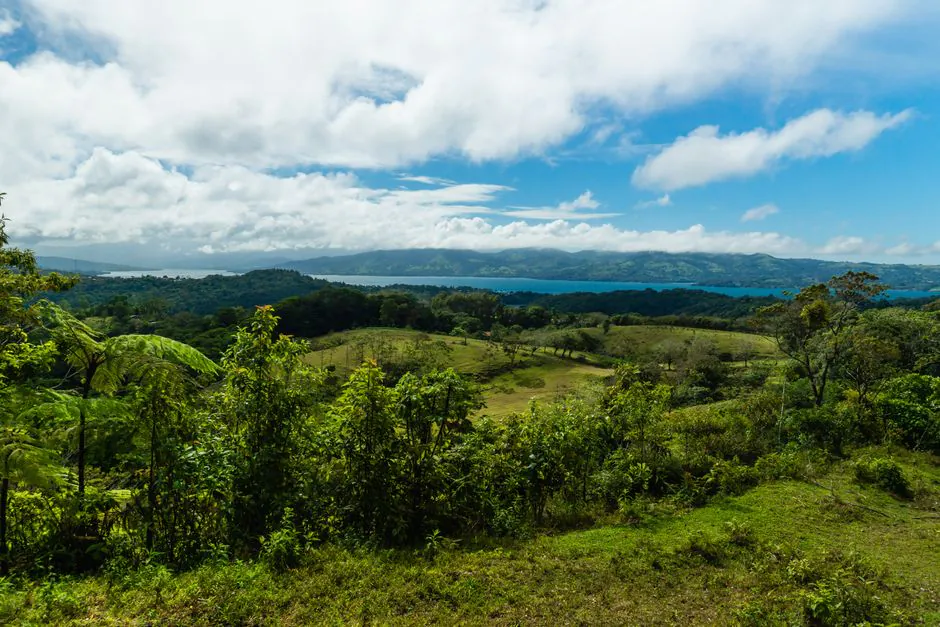
Cover photo by Lachcim Kejarko on Pexels.
Want to see how Costa-rica stacks up?
Are you seriously considering a move? Use our interactive tools to explore Costa-rica's climate, tax brackets, and nomad visas.
Head-to-Head Relocation Comparisons
Compare taxes, safety, and living costs of Costa-rica against top alternatives.