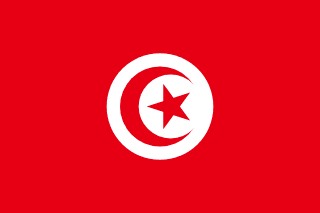
Moving to TunisiaShare
Tunisia is a solid destination for global professionals, featuring a moderate tax burden of 29.9%. With a very high English proficiency score of 498, daily communication and business integration are seamless. It hosts a vibrant and diverse expat community, notably drawing a significant number of residents from Algeria.
Lifestyle & Vibe
Tunisia is one of North Africa's most accessible remote work destinations - Tunis offers a low cost of living (comfortably under $800/month), functioning internet infrastructure, and a French-Arabic bilingual environment that European digital nomads find navigable. The government has shown increasing interest in attracting remote workers, and cities like Tunis and coastal hubs like Hammamet provide a decent, affordable lifestyle. Political stability has improved significantly compared to the early 2010s, though bureaucracy and some social conservatism are real daily frictions. Tunisia is a strong budget option for European nomads who want a Mediterranean-adjacent base outside the EU.
Digital Freedom & Remote Work
Censorship and network interference data is currently being collected for Tunisia.
Society & Demographics
Tunisia showcases a balanced gender ratio with slightly more females (50.57%) than males (49.43%). With 76.5% of the population online, digital connectivity is widespread, reflecting a modern society open to technology and information. Despite achieving an EF English Proficiency Score of 498, indicating moderate English proficiency, the country still invests significantly in education, allocating 17.28% of its GDP towards it. However, economic inequality persists as evidenced by the GINI Index at 33.7, with urbanization rates at 70.36%, and a net migration rate reflecting an exodus of about -14523 individuals over five years.
Gender Distribution
Aging Society
Population over 65 years old
Education Spending
UNESCO Data. Indicates focus on public schooling.
Quality of Life
Tunisia offers a life expectancy of approximately 74.07 years, reflecting a generally healthy population. With a medical doctor-to-population ratio of 12.38 per 10,000 people and an impressive Universal Health Coverage Index of 76, the nation ensures accessible healthcare services. However, a happiness score of 4.79 (on a scale from 0 to 10) and an obesity rate of 26.08% suggest room for improvement in overall well-being and lifestyle factors. The air quality index of 24.18 µg/m³ is relatively good, though the annual average working hours of 43.26 might contribute to stress levels, alongside a homicide rate of 4.69 per 100,000 indicating some safety concerns.
Economic Freedom & Business Climate
The Tunisian economy faces several challenges as indicated by its economic freedom score of 48.10, which ranks it among the least free economies globally. With an inflation rate of 7.21% and an unemployment rate of 15.11%, the country struggles to maintain financial stability and job security for its citizens. While the monetary freedom stands at a relatively high score of 72.40, indicating strong government control over money supply and interest rates, other areas such as investment freedom (20.00) and financial freedom (30.00) are severely lacking, reflecting significant obstacles to foreign direct investment and the banking sector's development.
Evaluated across 12 quantitative factors. Scores span 0-100, where higher scores indicate greater economic liberty, lighter tax burdens, and stronger property rights.
Climate Profile (Tunis)
Tunisia has a Mediterranean climate, characterized by warm summers and mild winters, with the mercury soaring to scorching highs of 35.67°C in July and plummeting to a chilly 7.76°C in January, while the rainiest periods occur from December to March, with an average of 7-8 rainy days per month. The hottest period stretches from June to August, with July being the driest month, whereas the rainiest months are typically March and November, with 8 rainy days each, making spring and autumn the ideal seasons to visit or relocate for comfortable weather. For expats and digital nomads seeking a pleasant climate, the best time to relocate or visit Tunisia is during the spring, from April to May, or autumn, from September to October, when the temperatures are mild, ranging from 19°C to 26°C, and the rainfall is relatively low, making it perfect for exploring the country's rich history, culture, and stunning landscapes.
Political Stability & Governance
Evaluated across Worldwide Governance Indicators (WGI). Scores span approximately -2.5 to 2.5, where higher scores indicate stronger governance, better stability, and lower corruption.
Relocation Guides & Articles
We're currently working on an in-depth expat guide for Tunisia.
Browse all 98 expat guidesExplore Similar Destinations
Frequently Asked Questions
What is the tax burden in Tunisia?
The tax burden in Tunisia is approximately 29.9%, according to World Bank data.
Is Tunisia safe?
The homicide rate in Tunisia is 4.7 per 100,000 people (World Bank).
Are people happy in Tunisia?
The World Happiness Report scores Tunisia at 4.8 out of 10.