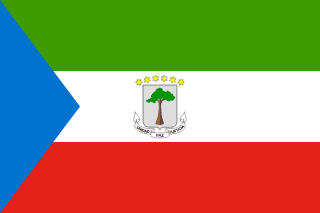
Moving to Equatorial GuineaShare
Equatorial Guinea is a solid destination for global professionals, featuring a moderate tax burden of 26.4%. It hosts a vibrant and diverse expat community, notably drawing a significant number of residents from France.
Lifestyle & Vibe
Equatorial Guinea is an oil-rich but deeply authoritarian state where virtually all wealth is concentrated among the ruling Obiang family - it is not a destination for independent remote workers under any practical framework. The cost of living in Malabo is extremely high due to oil industry pricing, internet is expensive and unreliable, and there is no expat community outside of energy sector workers. Corruption permeates every layer of government interaction, visa and residency processes are opaque, and freedom of press and expression is severely curtailed. There is no digital nomad infrastructure, no co-working culture, and no viable social scene for internationally mobile professionals.
Digital Freedom & Remote Work
Censorship and network interference data is currently being collected for Equatorial Guinea.
Society & Demographics
In Equatorial Guinea, the society is predominantly male-skewed, with 52.72% of the population being male, while 47.28% are female. The country witnesses a high level of internet penetration, with 63.30% of its population using the internet, reflecting robust digital engagement. Urbanization stands at 71.36%, indicating significant city-based living, and the net migration rate over five years is notable, with an influx of 3812 individuals contributing to demographic dynamics. Despite these indicators, data on English proficiency scores and education spending as percentages of GDP are not available.
Gender Distribution
Aging Society
Population over 65 years old
Education Spending
UNESCO Data. Indicates focus on public schooling.
Quality of Life
Equatorial Guinea's quality of life presents a mixed picture with some areas needing improvement. With a life expectancy of 61.6100 years and only 1.5300 medical doctors per 10k people, healthcare access remains a challenge. The Universal Health Coverage Index stands at 49.0000, indicating limited coverage. While the obesity rate is relatively low at 19.2000%, environmental factors such as an air quality index of 35.3800 µg/m³ suggest potential health risks from pollution.
Economic Freedom & Business Climate
The economy of Equatorial Guinea is characterized by its reliance on oil and gas exports, which drive the nation's high GDP growth. However, economic data for per capita income is not available, highlighting significant disparities. The business climate is mixed, with a relatively low overall Economic Freedom Score of 47.40, but some strengths in monetary freedom at 73.50. Financial freedom remains weak at 30.00, indicating limited access to financial services and investment opportunities. Despite these challenges, fiscal health stands strong with a score of 97.30, reflecting sound government finances.
Evaluated across 12 quantitative factors. Scores span 0-100, where higher scores indicate greater economic liberty, lighter tax burdens, and stronger property rights.
Climate Profile (Malabo)
Equatorial Guinea has a tropical monsoon climate, characterized by high temperatures and significant rainfall throughout the year, with the mercury often soaring to sweltering highs and dipping to balmy lows. The country experiences its hottest period from February to April, with average maximum temperatures hovering around 27-28 degrees Celsius, while the rainiest periods occur from May to October, with September and October being the wettest months, making the dry season from December to January the most ideal time to relocate or visit for a more comfortable and sunny experience. For expats and digital nomads seeking a pleasant climate, the best season to visit or relocate to Equatorial Guinea is from July to August, when the temperatures are relatively mild, ranging from 25-26 degrees Celsius, and the rain showers are less frequent, making it an excellent time to explore the country's stunning landscapes and vibrant culture.
Political Stability & Governance
Evaluated across Worldwide Governance Indicators (WGI). Scores span approximately -2.5 to 2.5, where higher scores indicate stronger governance, better stability, and lower corruption.
Relocation Guides & Articles
We're currently working on an in-depth expat guide for Equatorial Guinea.
Browse all 98 expat guidesExplore Similar Destinations
Frequently Asked Questions
What is the tax burden in Equatorial Guinea?
The tax burden in Equatorial Guinea is approximately 26.4%, according to World Bank data.