Moving to North MacedoniaShare
While living in North Macedonia comes with a higher tax burden of 30.9%, expats often benefit from its robust social infrastructure and high quality of life. With a very high English proficiency score of 595, daily communication and business integration are seamless. It hosts a vibrant and diverse expat community, notably drawing a significant number of residents from Albania.
Lifestyle & Vibe
North Macedonia - particularly the capital Skopje - is an emerging, low-cost digital nomad base in the Western Balkans with a reasonable internet infrastructure, low cost of living compared to Western Europe, and improving coworking scene. EU accession negotiations have brought regulatory modernization, and the country is geographically well-placed as a hub between Southern and Central Europe. The expat social scene is small but growing, and English proficiency among younger professionals is solid. Bureaucracy for non-EU remote workers is manageable, and Skopje offers a compact, walkable urban environment with affordable accommodation and food costs.
Digital Freedom & Remote Work
Censorship and network interference data is currently being collected for North Macedonia.
Society & Demographics
In North Macedonia, the society is predominantly female, with a slightly higher percentage of females at 51.35%. The country has achieved a high level of internet penetration, with 93.1% of its population connected online. This digital connectivity supports an average English proficiency score of 595 on the EF scale, reflecting a generally well-equipped workforce for global communication. Despite these modern indicators, North Macedonia faces social and economic challenges such as income inequality, as indicated by a GINI index of 33.5, and demographic shifts like increasing urbanization (62.56%) and an aging population (18.02% over 65 years old), alongside a net migration loss. The commitment to education is also notable, with 8.64% of GDP allocated towards educational spending.
Gender Distribution
Aging Society
Population over 65 years old
Education Spending
UNESCO Data. Indicates focus on public schooling.
Quality of Life
In North Macedonia, the quality of life is reflected by a life expectancy of 73 years, indicating a moderate longevity compared to global standards. The country's healthcare system supports this with 29.44 medical doctors per 10,000 people and an Universal Health Coverage Index of 69, suggesting reasonable access to health services. However, the obesity rate stands at 26.83%, and the happiness score is modest at 5.719 out of 10, which might indicate room for improvement in overall well-being. The safety index is relatively positive with only 1.53 homicides per 100,000 people annually, but air quality remains a concern with an average PM2.5 level of 26.12 µg/m³.
Economic Freedom & Business Climate
The economy of North Macedonia faces several challenges but also opportunities for growth. With an inflation rate of 3.49%, the country maintains a relatively stable monetary environment. However, an unemployment rate of 12.26% and a GDP per capita not available (N/A) suggest ongoing economic struggles. The overall Economic Freedom Score of 63.30 indicates moderate economic freedom, with strengths in business and trade freedoms but challenges in areas like government integrity and tax burden.
Evaluated across 12 quantitative factors. Scores span 0-100, where higher scores indicate greater economic liberty, lighter tax burdens, and stronger property rights.
Climate Profile (Skopje)
North Macedonia has a captivating continental climate, characterized by warm summers and chilly winters, with the hottest period of the year unfolding in July and August, when average maximum temperatures soar to 32 degrees Celsius, while the rainiest months occur from March to May and November, with an average of 9 to 10 rainy days. The country's climate is also marked by a dry summer season, with June, July, and August being the driest months, receiving only 4 to 6 rainy days, making spring, from April to June, and autumn, from September to October, the most comfortable seasons to relocate or visit, with mild temperatures and fewer rainy days. For expats and digital nomads seeking to immerse themselves in North Macedonia's stunning landscapes and rich cultural heritage, the best time to visit or relocate is during the spring and autumn seasons, when the weather is pleasant, with average temperatures ranging from 18 to 26 degrees Celsius, making it ideal for outdoor exploration and cultural discovery.
Political Stability & Governance
Evaluated across Worldwide Governance Indicators (WGI). Scores span approximately -2.5 to 2.5, where higher scores indicate stronger governance, better stability, and lower corruption.
Relocation Guides & Articles
August 5, 2026
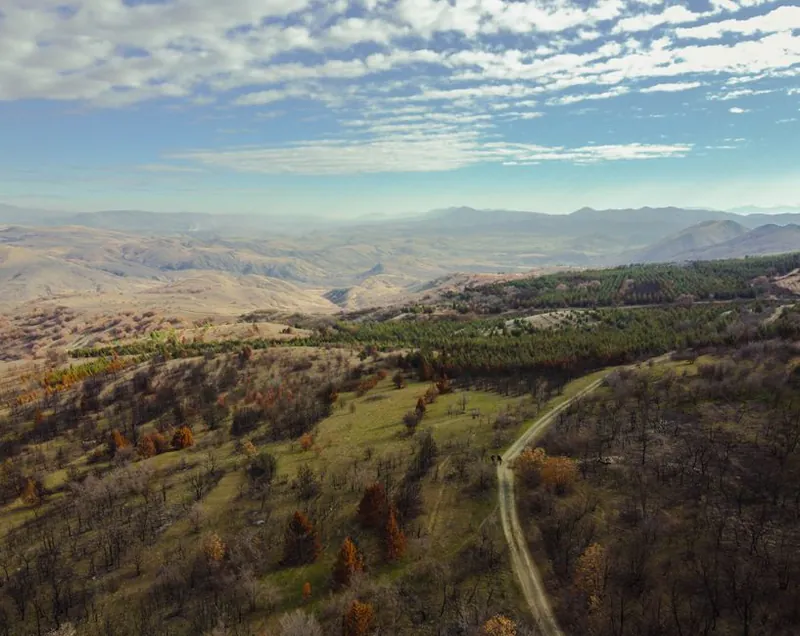
Moving to North Macedonia in 2026: The 10% Flat Tax, €40k Property Visa, and Nomad Scams
North Macedonia offers a 10% flat tax and €40k property residency, but the digital nomad visa is a myth. Here is the real cost of living breakdown.
June 29, 2026
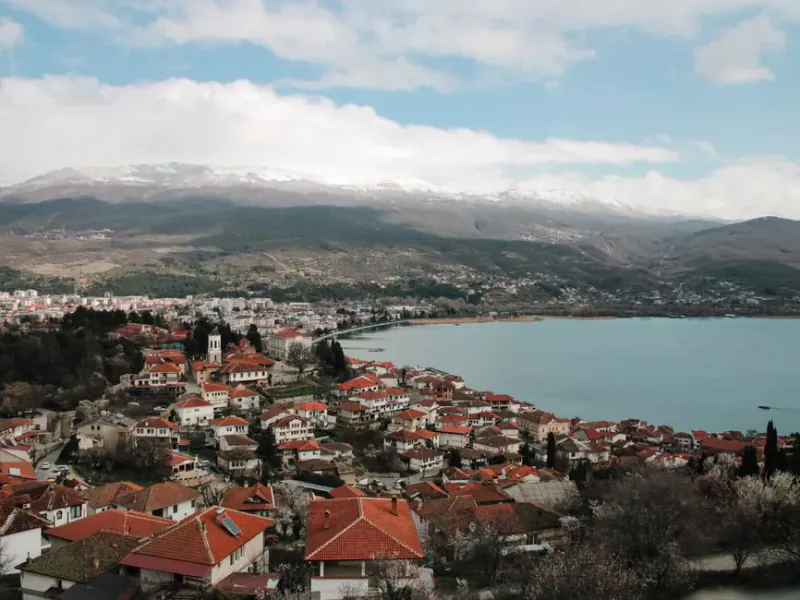
North Macedonia Digital Nomad Visa 2026: Requirements, Costs, Process, and What Nobody Tells You
A relentless look at the costs, deadlines, and legal maneuvers required to establish your base in North Macedonia in 2026 under the new Law on Foreigners.
Frequently Asked Questions
What is the tax burden in North Macedonia?
The tax burden in North Macedonia is approximately 30.9%, according to World Bank data.
Is North Macedonia safe?
The homicide rate in North Macedonia is 1.5 per 100,000 people (World Bank).
Are people happy in North Macedonia?
The World Happiness Report scores North Macedonia at 5.7 out of 10.