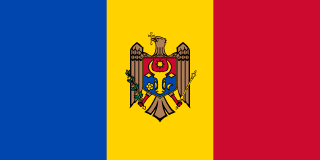
Moving to MoldovaShare
Moldova is a solid destination for global professionals, featuring a moderate tax burden of 29.4%. With a very high English proficiency score of 531, daily communication and business integration are seamless.
Lifestyle & Vibe
Moldova officially launched its Digital Nomad Visa in September 2025, allowing freelancers, remote employees, and entrepreneurs earning income from outside the country to live legally for up to two years - positioning it as Eastern Europe's newest low-cost nomad base. Chișinău is among the cheapest capitals in Europe, with very low housing costs, fast fiber internet available in the city, and a rapidly improving café culture driven by EU accession momentum. English proficiency is growing especially among younger professionals, and the city's manageable size means daily logistics are simple and low-friction. The social scene is modest and Chișinău lacks the cosmopolitan density of Bucharest or Vilnius, but for cost-conscious remote workers prioritizing EU-adjacent stability and minimal overhead, Moldova is a genuinely compelling value proposition.
Digital Freedom & Remote Work
Censorship and network interference data is currently being collected for Moldova.
Society & Demographics
Moldova exhibits a demographic profile with a slightly female-skewed population, where females constitute 53.99%. The country shows a high level of internet penetration at 77.37%, reflecting widespread digital connectivity. Moldovans' English proficiency stands at an EF score of 531, indicating moderate language skills. With urbanization rates at 43.52% and a GINI index of 26.80, Moldova demonstrates relatively low income inequality and a modest shift towards city living. Notably, women hold 40.8163% of parliamentary seats and the population includes 16.21% over 65 years old, alongside an education spending ratio of 15.96% of GDP.
Gender Distribution
Aging Society
Population over 65 years old
Education Spending
UNESCO Data. Indicates focus on public schooling.
Quality of Life
Moldova exhibits a mixed picture of quality of life indicators. With a life expectancy of 69.56 years and an obesity rate of 22.29%, the health landscape presents both challenges and opportunities. The country's universal health coverage index stands at 71, indicating a moderate level of access to healthcare services, supported by 39.25 medical doctors per 10,000 people. However, despite these factors, Moldova ranks with a happiness score of 5.85 out of 10, suggesting room for improvement in enhancing overall well-being. Additionally, while the air quality index is relatively low at 14.76 µg/m³ and work week durations are moderate at an average of 39.31 hours, homicide rates remain low at 2.54 per 100,000 people, indicating a generally safe living environment.
Economic Freedom & Business Climate
Moldova's economy is characterized by a low overall economic freedom score of 58.10, indicating significant areas for improvement. With an unemployment rate as low as 1.50%, Moldova enjoys robust labor market conditions. However, high tax burdens and limited business freedoms (rated at 68.30) pose challenges. The country's financial health is moderately strong with a fiscal score of 70.30, while trade freedom stands out positively at 76.80, suggesting favorable external trade relations.
Evaluated across 12 quantitative factors. Scores span 0-100, where higher scores indicate greater economic liberty, lighter tax burdens, and stronger property rights.
Climate Profile (Chișinău)
Moldova boasts a humid continental climate, characterized by warm summers and chilly winters, with the hottest period spanning from June to August, when average high temperatures often soar above 27°C, while the rainiest months typically occur in the spring, from March to May, and autumn, from September to November, with an average of 8-9 rainy days per month. The summer months, particularly July and August, are the wettest, but also the warmest, with an average of 8 rainy days, making the spring and autumn seasons, with mild temperatures and fewer rainy days, the most appealing time to visit or relocate. For expats and digital nomads seeking comfortable weather, the best time to relocate to Moldova is during the spring, from April to May, or autumn, from September to October, when the temperatures are pleasantly warm, ranging from 16°C to 23°C, and the rainfall is relatively low, making it an ideal time to explore the country's stunning landscapes and rich cultural heritage.
Political Stability & Governance
Evaluated across Worldwide Governance Indicators (WGI). Scores span approximately -2.5 to 2.5, where higher scores indicate stronger governance, better stability, and lower corruption.
Relocation Guides & Articles

Explore Similar Destinations
Frequently Asked Questions
What is the tax burden in Moldova?
The tax burden in Moldova is approximately 29.4%, according to World Bank data.
Is Moldova safe?
The homicide rate in Moldova is 2.5 per 100,000 people (World Bank).
Are people happy in Moldova?
The World Happiness Report scores Moldova at 5.9 out of 10.