Moving to LatviaShare
While living in Latvia comes with a higher tax burden of 33.9%, expats often benefit from its robust social infrastructure and high quality of life. With a very high English proficiency score of 599, daily communication and business integration are seamless. It hosts a vibrant and diverse expat community, notably drawing a significant number of residents from Belarus.
Lifestyle & Vibe
Latvia offers a fully operational Digital Nomad Visa for non-EU nationals employed by OECD-country companies, requiring a minimum income of approximately €2,875/month, with the option to apply for permanent residency after two years of legal stay. Riga is a genuinely underrated European capital with low cost of living relative to Western Europe, excellent broadband infrastructure, and a compact, walkable old city that supports a high quality of daily life for the price point. The expat community is modest but present, English proficiency among professionals and younger residents is high, and cashless payments are the default across the country. The social scene is more reserved than Southern European counterparts - Latvians tend toward introversion with strangers - but the professional networking environment in Riga's growing tech and fintech sector is accessible and meritocratic.
Digital Freedom & Remote Work
Censorship and network interference data is currently being collected for Latvia.
Society & Demographics
In Latvia, the population is predominantly female at 53.64%, with an urbanization rate of 68.48%, indicating a significant proportion lives in cities. The country exhibits balanced gender representation in its political sphere, with women constituting 32% of parliamentarians. Education is valued, with 9.92% of GDP allocated to education spending, fostering a literate populace amid an overall English proficiency score of 599 on the EF scale. Despite these advancements, Latvia faces demographic challenges, including a GINI index of 34, suggesting moderate income inequality, and a high percentage (21.74%) of its population aged over 65 years, reflecting an aging society, while net migration has been negative over the past five years, with -7330 people leaving the country.
Gender Distribution
Aging Society
Population over 65 years old
Education Spending
UNESCO Data. Indicates focus on public schooling.
Quality of Life
In Latvia, the quality of life is characterized by a relatively healthy populace with a life expectancy of 73.2000 years, reflecting good overall health conditions. The country excels in healthcare access, boasting 33.5200 medical doctors per 10k people and achieving an impressive Universal Health Coverage Index of 77.0000, which ensures a broad spectrum of care. While the average working week is relatively manageable at 37.5 hours, environmental health is noteworthy with air quality measured at 11.6000 µg/m³, significantly lower than the European average. However, Latvia faces challenges such as an obesity rate of 22.3100% and a happiness score of 6.3650 out of 10, indicating room for improvement in overall well-being.
Economic Freedom & Business Climate
The economy of Latvia currently enjoys an inflation rate of 1.27%, with an unemployment rate standing at 6.57%. With a score of 71.60 on the Overall Economic Freedom Score, Latvia demonstrates its commitment to fostering a business-friendly environment, highlighted by high scores in property rights (88.80) and trade freedom (79.40). However, financial freedom faces challenges with a lower score of 60.00, indicating areas where improvements could enhance the overall economic climate.
Evaluated across 12 quantitative factors. Scores span 0-100, where higher scores indicate greater economic liberty, lighter tax burdens, and stronger property rights.
Climate Profile (Riga)
Latvia has a humid continental climate, characterized by warm summers and cold winters, with the hottest period of the year occurring from June to August, when average high temperatures soar to over 21 degrees Celsius, while the rainiest months, July and August, see an average of 15 to 16 rainy days. In contrast, the winter months, from December to February, are the coldest and snowiest, with average low temperatures plummeting to below -4 degrees Celsius, making spring, from April to May, and autumn, from September to October, the best seasons to relocate or visit, with mild temperatures and fewer rainy days. For expats and digital nomads seeking comfortable weather, the spring season is particularly ideal, with average high temperatures ranging from 11 to 17 degrees Celsius, making it perfect for exploring Latvia's stunning landscapes and vibrant culture without the harsh winter chill or sweltering summer heat.
Political Stability & Governance
Evaluated across Worldwide Governance Indicators (WGI). Scores span approximately -2.5 to 2.5, where higher scores indicate stronger governance, better stability, and lower corruption.
Relocation Guides & Articles

July 6, 2026
Latvia Digital Nomad Visa 2026: Requirements, Costs, Process, and What Nobody Tells You
A complete 2026 guide to Latvia's Digital Nomad Visa. Discover exact income requirements, visa costs, application process, and why the OECD rule matters.
June 14, 2026
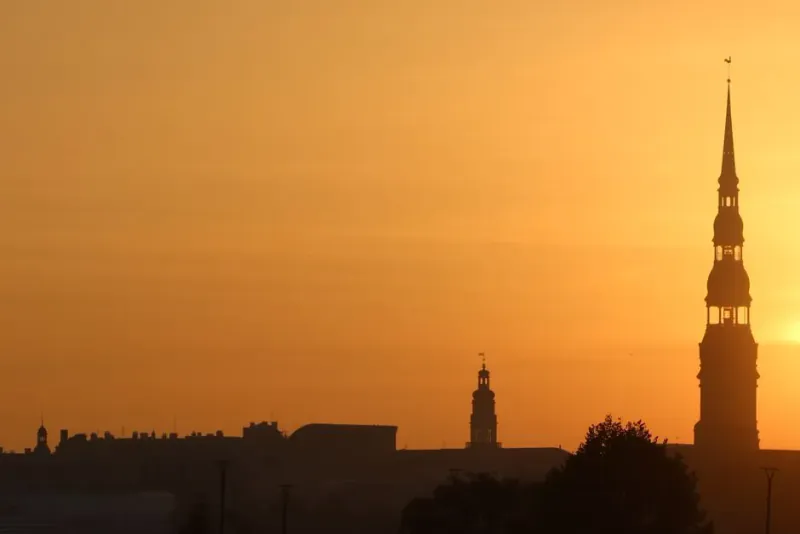
Latvia in 2026: EU Residency at Baltic Prices, the Fastest Digital Nomad Visa in Europe, and Citizenship That Requires You to Learn Latvian
A comprehensive guide to moving to Latvia in 2026: Digital Nomad Visa, taxes, healthcare, cost of living in Riga, and the citizenship process.
Explore Similar Destinations
Frequently Asked Questions
What is the tax burden in Latvia?
The tax burden in Latvia is approximately 33.9%, according to World Bank data.
Is Latvia safe?
The homicide rate in Latvia is 2.5 per 100,000 people (World Bank).
Are people happy in Latvia?
The World Happiness Report scores Latvia at 6.4 out of 10.
Head-to-Head Relocation Comparisons
Compare taxes, safety, and living costs of Latvia against top alternatives.