Latvia in 2026: EU Residency at Baltic Prices, the Fastest Digital Nomad Visa in Europe, and Citizenship That Requires You to Learn Latvian
June 14, 2026
ShareA studio apartment in Riga's city centre costs €490/month. Health insurance copays are capped at €570/year. A Digital Nomad Visa that lets you live and work here legally costs €60 to apply for and takes 15-30 days to process. Latvia gives you full Schengen residency, an EU address, and one of the most affordable urban capitals in Northern Europe - without the years-long queues of Germany's Auslà¤nderbehà¶rde or the UAE's degree attestation marathons.[1][2][3]
What the relocation industry's Latvia brochures omit: income tax of 25.5% plus social contributions of 10.5% (employee) means your effective deduction from gross salary runs 32-38% for most professionals. The Latvian language requirement for citizenship is real and demanding - Latvian is not an easy language for most Indo-European speakers. The economy grew 2.5% year-on-year in Q1 2026 but is slowing, with the European Commission forecasting 1.4% for the full year. The job market outside IT and logistics is thin. Winters in Riga run dark, cold, and long.[4][5][6][7][8]
Latvia is not for everyone. For the right profile - remote workers, digital nomads, EU residency seekers, IT professionals, and expats who value affordable Schengen living over career ladder proximity - it is one of the most underrated relocation destinations in Europe.
The Economy: Small, Recovering, Tech and Logistics-Driven
Latvia's GDP grew 2.5% year-on-year in Q1 2026, easing from 2.9% in Q4 2025. The European Commission forecasts the full year at 1.4%, with some Latvian bank analysts more optimistic at 1.9-3.0%. The slowdown is real - driven by weaker manufacturing and transport. Private consumption remains the growth engine, supported by strong nominal wage growth of 7.0% forecast for 2026. Unemployment stands at approximately 6.9%.[5][7][9]
Latvia is a small open economy (population 1.85 million) that punches above its weight in specific sectors:
Sectors where Latvia hires internationally:
- IT and technology: Latvia's IT sector represents 7.2% of GDP and is growing; Riga has a genuine startup scene anchored by Printify, Giraffe360, and a cluster of fintech and SaaS companies; both local firms and Baltic/Nordic employers with Riga offices sponsor work permits; English is widely spoken in tech[10]
- Logistics and transport: Latvia sits between Russia, the EU, and Scandinavia; Riga's Freeport is one of the busiest in the Baltic; transport and logistics represent 8.5% of GDP; but Russian sanctions have reshaped traditional transit routes, with the sector in structural adjustment[10]
- Finance and business services: Riga hosts regional offices of major European banks (Swedbank, SEB, Luminor); compliance, AML (anti-money laundering), and risk management are areas of sustained demand - particularly in the context of post-Soviet financial sector scrutiny
- Healthcare: Like all Baltic states, Latvia faces a demographic nursing and physician shortage; credential recognition is required for regulated professions
- Remote work and digital nomad economy: the fastest-growing expat segment; Riga has a developed co-working infrastructure; internet speed is among the fastest in the EU; the Digital Nomad Visa is specifically designed for this group
The honest limitation: Latvia's private sector job market is small. Salaries, even in IT, are below Western European levels - a senior software engineer earns €3,000-€5,000/month gross in Riga versus €7,000-€12,000+ in Berlin or Amsterdam. Latvia makes more financial sense as a low-cost EU base for remote workers or those building EU residency toward citizenship than as a career step-up destination from Germany, the Netherlands, or the Nordics.
Visas and Residency: Four Routes That Matter
Latvia is an EU member state and Schengen country. EU/EEA/Swiss citizens can live and work here without any visa or residence permit beyond a simple registration after 90 days. This guide focuses on non-EU nationals.[11]
Digital Nomad Visa - The Fastest and Most Accessible Route
Latvia's Digital Nomad Visa (DNV) is among the most practical in Europe. It does not require a job offer in Latvia - only proof that you work remotely for an employer or as a freelancer in an OECD country.[12][13]
- Non-EU/EEA/Swiss citizen
- Employed by a company registered in an OECD member state, or self-employed/freelancer with clients in OECD countries
- At least 6 months of continuous employment or self-employment in the qualifying role prior to application
- Minimum income: €4,213/month gross - calculated as 2.5à— Latvia's average gross monthly salary (currently €1,685)[3]
- Health insurance: minimum €42,500 coverage valid for Latvia and the Schengen Area[2][15]
- Clean criminal record
- Valid passport (6+ months beyond intended stay)
- Proof of accommodation in Latvia (rental agreement or hotel booking)
Duration: 1 year, renewable once for a further year (maximum 2 years consecutive)[13]
Application fee: €60 standard; €120 for expedited processing within 3 working days[3]
Processing time: 15-30 calendar days[14][3]
The income threshold is the most common sticking point. €4,213/month gross sounds accessible in a Western European context - it is roughly the salary of a mid-level software engineer in Germany or a contractor billing €50,000+/year. But it is demanding for freelancers in lower-income markets. Present 6 months of consistent bank statements showing the income; a single high-invoice month does not substitute for demonstrated continuity.
What the DNV does and does not do: the DNV gives you legal Schengen residency in Latvia. You can travel freely across the Schengen Area. You pay no Latvian income tax on your foreign income (you work for non-Latvian employers/clients). You cannot take up Latvian employment. After 2 years on the DNV, you must leave or switch to another permit type before returning - it does not accumulate toward permanent residence.
Work Permit (Temporary Residence Permit for Employment)
For non-EU nationals employed by a Latvian-registered company. The employer initiates the sponsorship process:[11]
- Employer submits a Sponsorship Request to OCMA (Office of Citizenship and Migration Affairs - known by its Latvian acronym PMLP), demonstrating that the position was advertised and no qualified EU candidate was available
- Applicant applies for a Temporary Residence Permit (TRP) at the Latvian embassy/consulate in their home country (or within Latvia if already present legally)
- Submit: application form, valid passport, passport-size photos, employment contract, proof of accommodation in Latvia, criminal record certificate, health insurance, application fee
- Processing time: 30 days standard; express processing available
- On arrival: submit biometrics; residence card (eID) issued within 2-4 weeks
- Annual renewal required for the duration of employment; typically issued for 1 year initially, extending to 5 years for stable employment
Application fee: approximately €100; express fee: €200.
Document preparation: criminal record certificates from your home country must be apostilled. Employment contract must be notarised. Start document preparation 4-6 weeks before application - translation to Latvian may be required for some documents.
Golden Visa (Investor Residence Permit)
Latvia's investor residence route grants a 5-year temporary residence permit in exchange for qualifying investment. It is among the most affordable Golden Visa programmes in the EU.[18][19]
Investment routes:[20][19][21][18]
- Real estate: minimum €250,000 purchase price (in Riga, Jūrmala, or nearby municipalities: single property only; outside those areas: up to two properties may be combined) + 5% state budget fee (€12,500 on a €250,000 purchase) - total minimum outlay approximately €262,500; cadastral value must be at least €80,000
- Business investment: minimum €50,000 in a Latvian-registered company + €10,000 state fee - the cheapest investor residency route in the EU; requires at least 5 full-time jobs created within 1 year
- Government bonds: minimum €280,000 in Latvian government bonds held in a Latvian bank for at least 5 years
- Financial self-sufficiency requirement: main applicant €26,640/year; spouse €8,880/year; each child €2,664/year[19]
Permit validity: 5 years, but requires annual procedural check-in - you must re-confirm your status with OCMA every 12 months to maintain the permit.[21]
Path to permanent residence: after 5 continuous years on the investor TRP, you can apply for permanent residence - provided you pass an A2 Latvian language test and demonstrate actual physical presence in Latvia. The property investment does not expire this path, but passive ownership of a €250,000 property while living elsewhere does not automatically build toward permanent residence - actual time spent in Latvia matters.[21]
Important note for 2026: a legislative proposal floated in late 2023 suggested restricting certain investor residency routes. As of mid-2026, the programme remains active and applications are being processed. Monitor changes through an immigration lawyer if you are considering this route.[18][19]
EU Citizen Registration (EU/EEA/Swiss Nationals)
If you hold an EU/EEA/Swiss passport, the process is dramatically simpler:[11]
- No work permit required - enter and work freely
- After 90 days, register with OCMA (Office of Citizenship and Migration Affairs) - bring passport, proof of employment/self-employment/student status or sufficient funds, and proof of address
- Registration confirms your right of residence; a residence certificate is issued
- After 5 years of continuous registered residence, apply for permanent EU residence permit
- Permanent EU residence permit → citizenship eligibility after 5 years of permanent residence
Permanent Residence (PastÄvīgÄs UzturēšanÄs Atļauja): The Standard Route
Latvia's permanent residence permit (for non-EU nationals) requires:[22][20][21]
- At least 5 years of continuous lawful residence in Latvia on a temporary permit
- A2 Latvian language level (reading, writing, speaking - basic; lower bar than citizenship which requires B1+)
- Financial self-sufficiency - no welfare dependency
- Clean criminal record
- Registered accommodation address
No lottery, no employer dependency after obtaining it. The permanent residence permit is open-ended and removes the annual renewal burden of most work-based TRPs.
For EU Blue Card holders from other EU states: Latvia allows holders of EU Blue Cards issued by other member states to apply for residency without starting from scratch in some cases - check with OCMA on your specific card issuing country's treatment.
Citizenship: Five Years, Latvian Language, and the Dual Nationality Question
Latvian citizenship by naturalisation is accessible in principle - but the language requirement is the real filter. Latvian is a Baltic language unrelated to Slavic or Germanic language families; it is genuinely difficult for most speakers of Russian, English, German, Polish, or Romance languages. The language requirement is not a formality.[6][22]
- Minimum 5 years of permanent residence in Latvia (not just any residence - permanent residence permit)
- Good command of the Latvian language - demonstrated by an official language test (not formally specified as CEFR level in law but assessed at approximately B1 level in practice)
- Civics test: knowledge of the Latvian national anthem text, basics of Latvian history and culture, and basic rules of the Constitution of the Republic of Latvia
- Legal source of income - financial self-sufficiency
- Clean record - no serious criminal convictions, no links to anti-state organisations, no outstanding tax obligations
- Age 15+
Fees: state fee applies; currently approximately €28.46 for most applicants (reduced rates for some categories)[23]
Processing time: several months after submission; OCMA (PMLP) sets its own schedule[23]
Dual nationality - the critical constraint for most applicants: Latvia allows dual citizenship only in specific, limited cases:[24][22]
- Citizens of EU/EEA/NATO member states - dual citizenship is generally permitted
- Citizens of most Western countries (Poland, Germany, UK, US, France, etc.) - permitted to retain their original nationality when naturalising as Latvian
- Citizens of countries outside EU/EEA/NATO - typically required to renounce their original nationality before receiving Latvian citizenship
Practical impact for Polish citizens: Poland is an EU/NATO member - dual Latvian-Polish citizenship is permitted. For expats from non-EU, non-NATO countries (India, Philippines, Nigeria, etc.) - renunciation of original nationality is the standard requirement. Verify the specific treatment for your nationality before beginning the naturalisation path.
The realistic timeline: arrive on work permit → 5 years TRP → apply for permanent residence (A2 language test) → permanent residence issued → 5 more years of permanent residence → eligible for citizenship (B1 language test) = minimum 10 years from first arrival.[22][24]
Note: some sources cite a 10-year figure for naturalisation; the current framework requires 5 years of permanent residence (not any residence). The total timeline from first TRP to citizenship depends heavily on how quickly you achieve permanent residence - Blue Card and investor route holders have the same 5-year PR requirement.
Taxes: Progressive, Moderate, With Social Contributions on Top
Latvia restructured its income tax system significantly in 2025-2026, moving from a flat tax to a progressive system. The headline rate is lower than Germany or France - but social contributions add a substantial additional layer.
Personal Income Tax (PIT / IIN, 2026)
| Annual Gross Income | PIT Rate |
|---|---|
| Up to €105,300 | 25.5% |
| €105,301 - €200,000 | 33% |
| Above €200,000 | 33% + 3% surcharge |
Non-taxable minimum (2026): €550/month for earners below €1,800/month gross, phasing out to zero for earners above €3,600/month. This provides meaningful relief for lower-income workers but has no effect on earnings above €3,600/month.[26]
Social Insurance Contributions (VSAOI, 2026)
| Contribution | Rate |
|---|---|
| Employer's share | 23.59% of gross salary |
| Employee's share | 10.50% of gross salary |
| Total | 34.09% |
The employer's 23.59% is paid on top of gross salary - it never appears on the employee's payslip but represents real total employment cost. For every €1,000 in gross wages, the employer actually spends €1,235.90.[8]
The maximum annual VSAOI base is €105,300 - above this, a solidarity tax at a combined 25% replaces standard VSAOI. Unlike Germany (which caps social contributions at lower salary thresholds), Latvia charges full VSAOI on every euro up to €105,300.[27][29][8]
Effective deduction example (gross salary €3,000/month):
- Social contributions (employee): €315 (10.5%)
- Income tax (25.5% on €2,685 after VSAOI deduction, minus applicable non-taxable minimum): approximately €620
- Net take-home: approximately €2,065/month (~69% of gross)
- Effective total deduction: ~31%
Capital gains: taxed at 25.5% (not the flat 20% that was in place before the 2025 reform). Primary residence sold after holding for at least 2 years: exempt.[30][4]
Dividends: 0% if corporate income tax was already paid in Latvia on the underlying profit; otherwise 25.5%.[31]
Rental income: flat 10% for gross taxation; alternatively, expenses can be deducted and standard income tax applied.[31][30]
VAT (PVN)
Standard rate: 21%. Reduced rates apply to pharmaceuticals, books, and selected services.[32][31]
Corporate Income Tax (CIT)
Latvia operates a deferred CIT system - companies pay 0% on undistributed profits, with tax deferred until distribution. At distribution, CIT is charged at an effective rate of 20% on distributed profit (the nominal rate is 25/75 of the net distribution). This is a genuine advantage for entrepreneurs and company owners choosing Latvia as a base.[31]
Tax Residency Rules
You become a Latvian tax resident if you spend more than 183 days per calendar year in Latvia, or if your declared permanent place of residence is Latvia. Tax residents are taxed on worldwide income; non-residents only on Latvian-source income. Digital Nomad Visa holders who work for foreign employers and do not register as Latvian tax residents are generally not subject to Latvian income tax on their foreign-source income - but check with a tax professional before assuming this applies to your specific situation.[33]
Healthcare: Universal Coverage, Affordable Copays, Private Clinics Available
Latvia operates a universal public healthcare system (NVD - NacionÄlais veselības dienests / National Health Service), funded through taxation. Residents who pay income tax and social contributions in Latvia are entitled to public healthcare with minimal copays.[34][35][2]
Key features of the public system:[36][37][34]
- Copays are charged but capped at €570/year for any individual patient - once you reach the annual cap, all further state-funded care is free for the rest of the year[34]
- GP visit copay: €2-€3 (free for children under 18, pregnant women, and certain chronic disease categories)
- Specialist visit copay: €5-€6 (referral from GP usually required)
- Emergency treatment: covered
- State-funded dental care: children only - adults pay full cost
- Waiting times for non-urgent specialist consultations: 2-6 months is common in the public system
- Language: Latvian and Russian are the main service languages; English is available at larger Riga hospitals but not consistently at GP level
For Digital Nomad Visa holders: you are not automatically enrolled in the public system - you rely on your mandatory private health insurance (minimum €42,500 coverage). After establishing Latvian tax residency and paying contributions, you gain NVD access.[2][3]
Private healthcare in Riga is genuinely affordable by EU standards:[35][2]
- GP consultation: €25-€40
- Full health check-up: €100-€200
- Dental treatment (private): €50-€200 depending on procedure
- Major private hospitals: Veselības centrs 4 (VC4), ARS Medical Centre, Nordmed - all operating at solid Central European standards; English-language service available
International health insurance: major international insurers (Cigna, Allianz, AXA, BUPA) offer Latvia-specific plans from approximately €800-€2,500/year for an individual in the 30-45 age range - significantly cheaper than in the US or UAE, partly because private medical costs in Latvia are low.
Emergency: 113 (Ambulance) / 112 (General emergency - police, fire, medical).
Safety: Consistently Underrated
Latvia's national safety profile is better than most expats expect. The national Crime Index stands at 35.48, Safety Index 64.52. Riga's Crime Index is 37.5-38.8, Safety Index 61.2-62.5 - comfortably above the EU average for capital cities.[38][39][40][41]
What crime exists in Latvia:[39][42]
- Petty theft and pickpocketing in the Old Town (Vecrīga) and Central Market, primarily targeting tourists
- Bike theft (common across all Baltic capitals - lock properly)
- ATM and bank card skimming at older ATMs - use bank-lobby ATMs
- Alcohol-related incidents in nightlife areas of the city centre on weekend nights
Violent crime against expats is rare. Riga's Old Town is genuinely safe to walk alone at night. The residential districts (Āgenskalns, Mežaparks, Teika, Imanta) are calm. Road safety is the more significant concern - Latvia has above-average road accident rates by EU standards, partially related to winter driving conditions.
Russia consideration: Latvia shares a land border with Russia and Belarus, and the security situation has been a visible factor since 2022. Latvia is a NATO member and EU member state; there are active NATO Enhanced Forward Presence troops stationed at Ä€daži military base. The geopolitical reality is part of the backdrop of life here - most expats adapt to it quickly, but it is worth knowing.
Cost of Living: Affordable Riga, Cheaper Elsewhere
Latvia is one of the most affordable countries in the EU for daily living costs. A single professional in Riga lives comfortably - including rent - for approximately €1,400-€1,800/month. A family of four for €2,800-€3,500/month including rent, school fees excluded.[43][44]
Rent by City and Area (2026)
| Location | Studio (€/mo) | 1-BR (€/mo) | 2-BR (€/mo) |
|---|---|---|---|
| Riga - Old Town / Centre | €600-€750 | €700-€900 | €900-€1,300 |
| Riga - Quiet Centre (Klusais Centrs) | €500-€750 | €600-€800 | €800-€1,100 |
| Riga - outer districts (Purvciems, Imanta) | €350-€490 | €400-€600 | €550-€800 |
| Jūrmala (seaside resort, 25km) | €450-€900 (off-season) | €550-€1,000 | €900-€1,500 |
| Outside Riga (other cities) | €200-€350 | €280-€450 | €400-€650 |
Rent has increased 6-8% year-over-year in 2026, driven by limited central supply and growing demand from tech and startup workers. But even post-increase, central Riga remains roughly 40-50% cheaper than central Tallinn (Estonia) and around 60-70% cheaper than central Warsaw for equivalent properties.[1]
Renting process as a foreigner: Latvia does not use a credit scoring system as dominant as Germany's SCHUFA or the US FICO. Landlords typically ask for:[45]
- Copy of passport and residence permit
- Bank statement showing income
- Employment contract or proof of remote work income
- First month's rent + security deposit (1-2 months)[45]
Main rental listing platforms: SS.lv (the dominant Latvian platform, mostly in Latvian - use Google Translate); City24.lv and RentInRiga.lv (more English-friendly).[45]
Utilities: not included in rent. Heating in winter (October-April) can add €100-€200/month depending on building age and insulation quality - Soviet-era panel buildings (so-called "Hrushchevkas") are poorly insulated and have high heating bills; renovated buildings and new builds are more efficient. Budget €250-€350/month for all utilities (heating, electricity, water, internet).[32][45]
Daily Expenses (Riga, 2026)
| Item | Price (€) |
|---|---|
| Meal at inexpensive restaurant | €8-€14 |
| Three-course meal for two (mid-range) | €35-€60 |
| Coffee (cappuccino) | €2.50-€4.00 |
| Beer at a bar (0.5L local) | €3-€5 |
| Monthly public transit pass (Riga) | €50 |
| Taxi / Bolt (10 km) | €6-€12 |
| Fuel (per litre, petrol) | €1.60-€1.80 |
| Monthly grocery bill (one person) | €180-€280 |
| Gym membership (mid-range) | €25-€50/month |
| Coworking day pass (Riga) | €10-€20 |
| Coworking monthly membership | €90-€200 |
Which Neighbourhood / City?
Riga - The Centre and Quiet Centre
Riga's city centre (Centrs and the adjacent Klusais Centrs - Quiet Centre) is where most professional expats and digital nomads live. Walking distance to everything: the Old Town, Central Market, restaurants, coworking spaces. The Quiet Centre is notable for some of the best-preserved Art Nouveau architecture in Europe - entire streets of undisturbed early 20th-century facades. Rent premium is real (€600-€900/month for a 1-BR) but justified by lifestyle access.
Riga - Outer Districts
Purvciems, Imanta, Mežaparks, Teika, Ä€genskalns - mostly Soviet-era apartment blocks with better rent economics (€400-€600/month for a 1-BR) and reasonable public transport access. Mežaparks is the premium outer area: wooden houses, forested streets, lake access - a genuine residential gem if you value space over central proximity. Ä€genskalns has become increasingly popular with young professionals for its local market, cafés, and village-within-the-city feel.
Jūrmala
A Baltic Sea resort town 25km from Riga, connected by a direct commuter train (€2.40, 30-40 minutes). Off-season rents are reasonable (€550-€1,000/month for a 1-BR in the main Majori/Dzintari district). Summer rents triple - most long-term residents avoid summer short-term rental competition by having annual contracts. Beach, pine forests, quieter pace. The trade-off: limited everyday services (most professional infrastructure is in Riga), and the commuter train reliability deserves research before committing.[45]
City Comparison (Latvia)
| Location | 1-BR Rent (€/mo) | Key Features | Best For |
|---|---|---|---|
| Riga Centre | €700-€900 | All city amenities, walkable | Digital nomads, professionals |
| Riga Outer | €400-€600 | Cheaper, good transport | Families, budget-conscious |
| Jūrmala | €550-€1,000 (off-season) | Beach, nature, quiet | Remote workers, nature lovers |
| LiepÄja | €280-€400 | Coastal, very affordable | Budget, alternative lifestyle |
| Daugavpils | €180-€280 | Cheapest, limited English | Very budget, adventurous |
Climate: Short Summers, Long Dark Winters
Latvia sits at roughly the same latitude as southern Alaska. It has four genuine seasons - and winter is not decorative.
| Season | Months | Temperature Range | Character |
|---|---|---|---|
| Winter | Dec-Feb | -8°C to +2°C | Dark (6-7 hrs daylight), frequent snow, cold |
| Spring | Mar-May | 2°C to 16°C | Mud season March-April; pleasant May |
| Summer | Jun-Aug | 18°C to 28°C | Long days (18+ hrs in June); genuinely warm |
| Autumn | Sep-Nov | 6°C to 16°C | Beautiful September; grey and cold by November |
The winter reality check: Riga averages only 1.5-2 hours of sunshine per day in December. Seasonal Affective Disorder (SAD) is a legitimate issue discussed openly in Latvian society. Invest in a SAD light therapy lamp before November. Keep physically active (ice skating, skiing at Sigulda 55km away, indoor gym). The Christmas markets (late November through December) are genuinely excellent - they partially compensate.
The summer payoff: June and July in Latvia are extraordinary. Midsummer (JÄņi, 23 June) is the national holiday that defines Latvian culture - bonfires, singing, spending Midsummer night in the countryside. Daylight until midnight. Warm beaches on the Jūrmala coast. The months that explain why people who experience one Latvian summer keep coming back.
Schools: Free Public System, Affordable International Schools
All resident children - including children of expats on work permits and Digital Nomad Visas - have the right to free public education in Latvia. Latvia's public school system has been consistently improving its PISA scores and has invested heavily in digitization and STEM curriculum.[47]
The language issue: instruction is primarily in Latvian (with Russian-language streams being phased out in some schools as of recent reform). Children who arrive without Latvian are placed in integration support classes; adaptation typically takes 1-2 years. For families planning to stay 3+ years, public school + Latvian immersion is the most effective path. For families on 1-2 year assignments, international schools are the practical choice.
International Schools in Riga (2026)
| School | Curriculum | Annual Tuition |
|---|---|---|
| International School of Riga (ISR) | IB (PYP/MYP/DP) | €16,450-€19,400[48] |
| Riga International School (RIS) | IB PYP/MYP | €6,000-€12,000[47] |
| German International School Riga (DISR) | German curriculum + IB | €840-€970/month (€10,080-€11,640/year)[49] |
| Various IB/British schools | IB, British | €6,500-€22,950[50] |
| Median true annual cost (all 9 Riga international schools) | - | $15,660 (~€14,500)[51] |
Published tuition understates real cost by approximately 9% due to registration fees, capital fees, materials, and events. The International School of Riga charges a one-time membership fee of €1,600 and a capital fee of €2,000 for new students on top of tuition.[51][48]
Compared to Germany (Munich International School: €27,583/year) or the UAE (Repton Dubai: AED 75,000/year ≈ €18,750), Riga's international schools are markedly more affordable. A mid-tier IB education here costs what a budget option costs in Western Europe.
Buying Property
Foreigners - including non-EU nationals from most countries - can freely buy residential and commercial property in Latvia, with two main exceptions: agricultural and forest land (requires permits), and border/restricted areas near military installations.[52][30][32]
Exception - Russian and Belarusian nationals: as of 2026, citizens of Russia and Belarus face nationality-based restrictions and can only purchase a single dwelling if they are permanent residents - no investment purchases.[52]
Ownership is only complete upon registration in the Land Register (ZemesgrÄmata). Signing a purchase contract does not give you legal ownership protection. Registration must occur before ownership is certain - your notary manages this step, but confirm it is completed.[52]
Transaction Costs (Buyer)
| Cost Component | Rate |
|---|---|
| Stamp duty (Land Register state fee) | 2% of purchase price |
| Notary fee | 0.6-1.5% of purchase price (approx. €150-€250 minimum)[53][30] |
| Real estate agent commission | 2-5% (usually paid by seller, but verify) |
| VAT (new buildings only) | 21% of transaction amount |
| Total buyer costs (resale property) | approximately 3-6.5% |
Annual property tax: 0.2-0.6% of cadastral value (not market value; cadastral values are significantly lower than market prices in Latvia, making the real effective rate quite low).[53][52]
Capital gains on sale: 20% flat on the profit (purchase price − sale price), unless: the property was your primary residence for at least 2 of the last 5 years, in which case it is exempt from capital gains tax. Non-residents pay the same rate.[30]
Rental income tax: 10% flat rate (gross basis), or standard progressive income tax after expense deduction.[32][31]
Mortgage for foreigners: available from Latvian banks (SEB, Swedbank, Luminor, Citadele) at EURIBOR + bank margin, typically 4.8-6.5% APRC for non-residents (vs. 3.5-4.5% for residents with local income). Standard foreign buyer requirement: 30-40% down payment.[52]
The investor residency route: property purchase of €250,000+ plus 5% state fee qualifies for the Golden Visa residence permit (see Visas section). This is not just a residency play - it is also a real estate market entry at a point where Riga's prime market is undervalued relative to Tallinn and Vilnius.[21]
Your First 30 Days: The Latvia Checklist
Latvia's bureaucracy is smaller-scale and generally more efficient than Germany's - but it has its own sequence that must be followed:[54][11]
Register your electronic travel declaration (ETA) before arrival - mandatory since September 2025 for all non-Schengen visitors without a Latvia-issued visa or residence permit; complete at eta.gov.lv at least 48 hours before crossing into Latvia; failure to register can result in entry refusal; takes 5-10 minutes online[55][13]
Find accommodation and sign a rental contract - this is your first practical step because every subsequent administrative process requires a proof of address in Latvia; get a formal lease agreement (not just an informal arrangement); make sure it is in your name; the landlord's confirmation (similar to Germany's Wohnungsgeberbestà¤tigung) is helpful but not always formally required in Latvia
Apply for your residence permit / register at OCMA (PMLP) within 90 days of arrival - for EU citizens: register at OCMA with employment contract, proof of accommodation, and passport; for non-EU work permit holders: your employer's sponsorship should already be in progress; for Digital Nomad Visa holders: you applied at the embassy abroad and your permit card will be issued in Latvia after submitting biometrics at OCMA; visit pmlp.gov.lv for appointment booking[16][11]
Obtain your Latvian personal code (Personas kods) - this 11-digit identifier is assigned when you register at OCMA and receive your residence card; it is your universal administrative ID in Latvia - used for healthcare, banking, taxes, social services, and all government portals; without it, most services cannot proceed[54][11]
Open a Latvian bank account - bring your passport, residence card (or at least your residence registration confirmation from OCMA), and personal code; major banks: Swedbank (largest, solid English-language service), SEB (strong for IT and corporate clients), Citadele (good for newcomers, English-speaking staff), Luminor; alternatively, N26 or Wise serve as bridge accounts before you receive your residence card; accounts open same day at most banks[54][11]
Register your actual address (deklarÄcija) - separate from OCMA registration: declare your residential address at your local municipality (Latvija.lv portal or in person at municipality office); you need your lease agreement and personal code; this completes the official registration and ensures you receive state correspondence correctly[11]
Enrol in health insurance or confirm your existing coverage - if you are a DNV holder: ensure your international insurance is active and meets the €42,500 minimum coverage; keep the policy document accessible at all times; if you are an employee: your employer registers you with VSAA (State Social Insurance Agency) within 3 days of employment start, which triggers public healthcare eligibility after initial contribution period[34][2]
Get a Latvian SIM card - LMT (best coverage nationwide), Tele2 (affordable data plans), Bite (competitive prepaid); buy with passport at any operator shop; SIM registration requires your personal code once you have it; Latvia has some of the fastest and most affordable mobile internet in the EU (LMT/Tele2 4G/5G coverage is excellent in Riga and main cities)
Register children for school - contact your local school or the municipality's education department; public school assignment is typically based on residential address catchment; bring residence registration, the child's documents (birth certificate, previous school records), and vaccination record (Potēšanas pase); Latvian public schools have integration support for non-Latvian-speaking children[47]
Start Latvian language study early - even if you will never use Latvian professionally, basic conversational Latvian transforms your day-to-day life and landlord/neighbour relationships; more importantly, B1 Latvian is required for citizenship; starting from zero, reaching B1 takes most adults 2-4 years of consistent study; platforms like Mango Languages, iTalki, and Baltic Beach Method are expat-recommended; private tutors in Riga charge €20-€40/hour; the Latvian Language Agency (Latviešu valodas aģentūra) offers state-subsidised courses for residents[6]
Understand ETA for subsequent Schengen travel - as a Latvia-resident non-EU national, your Latvian residence permit grants you Schengen travel rights; keep your residence card with your passport at all times when travelling; EU ETIAS (Schengen pre-authorisation for non-EU nationals) is expected to launch in Q4 2026 and will affect visa-exempt visitors, but not residents with valid permits[13]
File your first Latvian tax return if required - if you are a Latvian tax resident (183+ days/year or declared permanent address in Latvia), you must file an annual income declaration with the State Revenue Service (VID) by 1 June for the prior year; the VID Electronic Declaration System (EDS) handles this online; first-year filers should consult a local accountant (€100-€250 for standard individual return)[4][26]
Key Data at a Glance
| Indicator | Value |
|---|---|
| GDP Growth Q1 2026 (year-on-year) | 2.5%[7] |
| GDP Growth 2026 full year (EU Commission forecast) | 1.4%[5] |
| Nominal wage growth 2026 (EU Commission forecast) | 7.0%[5] |
| Unemployment 2026 (forecast) | 6.9%[5] |
| Currency | Euro (€) - member of Eurozone since 2014 |
| PIT rate (up to €105,300/year) | 25.5%[4][25] |
| PIT rate (€105,301-€200,000/year) | 33%[4] |
| PIT surcharge (above €200,000/year) | +3%[4] |
| Non-taxable minimum (below €1,800/mo) | €550/month[26] |
| Employee social contributions (VSAOI) | 10.50% of gross[27][8] |
| Employer social contributions (VSAOI) | 23.59% of gross[27] |
| VSAOI ceiling | €105,300/year (solidarity tax applies above)[29] |
| VAT standard rate | 21%[31] |
| Corporate income tax (distributed profit) | 20% effective rate (deferred system)[31] |
| Rental income tax | 10% flat (or progressive on net)[31] |
| Capital gains tax (property) | 20% (exempt if primary residence 2+ of last 5 yrs)[30] |
| Digital Nomad Visa - minimum income | €4,213/month[3] |
| Digital Nomad Visa - application fee | €60 (standard) / €120 (express)[3] |
| Digital Nomad Visa - processing time | 15-30 days[3] |
| Digital Nomad Visa - duration | 1 year + 1 renewal (2 years total)[13] |
| Golden Visa - real estate minimum | €250,000 + 5% state fee[19][21] |
| Golden Visa - business investment minimum | €50,000 + €10,000 state fee[20][19] |
| Permanent residence - minimum residence | 5 years on TRP[20][22] |
| Permanent residence - language requirement | A2 Latvian[21] |
| Citizenship - minimum residence (permanent) | 5 years permanent residence[22][6] |
| Citizenship - language requirement | ~B1 Latvian[6] |
| Citizenship - dual nationality | Permitted for EU/EEA/NATO nationals[22] |
| Naturalization state fee | ~€28.46[23] |
| Annual healthcare copay cap | €570/year[34] |
| GP visit copay (public) | €2-€3[36] |
| Private GP consultation | €25-€40[2] |
| International health insurance (individual/year) | €800-€2,500[2] |
| Riga city centre 1-BR rent | €700-€900/month[1][45] |
| Riga outer districts 1-BR rent | €400-€600/month[45] |
| Digital nomad comfortable monthly budget (Riga) | ~€895/month (excl. rent) / ~€1,400-€1,800 incl. rent[43][44] |
| International school fees (Riga median) | ~€14,500/year (true cost incl. hidden fees)[51] |
| International School of Riga (IB) | €16,450-€19,400/year[48] |
| Property transfer tax (stamp duty) | 2% of purchase price[30] |
| Total buyer transaction costs (resale property) | ~3-6.5%[52] |
| Annual property tax | 0.2-0.6% of cadastral value[52] |
| Foreign buyer mortgage rate | 4.8-6.5% APRC[52] |
| Foreign buyer down payment | 30-40%[52] |
| Riga Crime Index (Crowdsourced Data) | 37.5-38.8 / Safety Index ~62[38][39] |
| Latvia national Safety Index | 64.52[40] |
| Emergency number | 112 (general) / 113 (ambulance) |
The €50,000 business investment Golden Visa is one of the least-discussed residence-by-investment routes in the EU. For an entrepreneur prepared to register and operate a genuine Latvian company, create 5 jobs within the first year, and pay the €10,000 state fee, it offers EU residence, Schengen access, and the path to permanent residence and eventual citizenship - at a fraction of the cost of Portugal's AIFMD fund route (€500,000), Malta's citizenship programme (€690,000+), or Greece's property Golden Visa (€250,000 with lower path to PR). The lawyers in Riga who specialise in this route charge €3,000-€8,000 in professional fees. Run the numbers before dismissing it.[20][19]
References
Updated Rents in Riga (2026) - Investropa - The latest update about rents in Riga. Rents, rental income, rental yields, vacancy, occupancy rate,...
Health Insurance for Expats in Latvia (2025 Guide) | Compare Expat Plans - Complete guide to expat health insurance in Latvia. Digital Nomad Visa requirements, NVD public heal...
Latvia Digital Nomad Visa for Indian Passport Holders (2026) - Latvia digital nomad visa: who can apply, income requirements, cost, and step-by-step process for 20...
Latvia - Individual - Taxes on personal income - Detailed description of taxes on individual income in Latvia
Economic forecast for Latvia - Economy and Finance - The latest macroeconomic forecast for Latvia. The European Commission publishes a full set of macroe...
Obtaining Latvian citizenship by naturalisation - have been permanently resident in Latvia for at least the last five years · you have good command of...
Latvia GDP Annual Growth Rate - The Gross Domestic Product (GDP) in Latvia expanded 2.50 percent in the first quarter of 2026 over t...
VSAOI Rates 2026: Employer 23.59% + Employee 10.50% - Latvia's 2026 VSAOI social contribution rates: 23.59% employer, 10.50% employee, 34.09% total. What ...
Forecasts for 2026: The Situation in the Latvian Economy Will ... - Analysts from the largest Latvian banks predict an improvement in the economic situation in Latvia i...
Latvia Economy Overview 2026 - Investment & Business Data - Explore Latvia's economy: GDP, growth, inflation, trade, investment scores, and business setup guide...
Latvia Digital Nomad Visa: How to Apply [3 Steps] - Valid Passport - You must have a passport that is valid for at least three months after the visa exp...
Latvia Visa Guide for Digital Nomads | Geronimo - Real data on cost of living, internet speed, weather & quality of life for 50+ destinations worldwid...
Digital nomad visa in Latvia: key requirements and legal ... - Latvia is among the European countries that have introduced a special migration regime for individua...
Latvia Digital Nomad Visa for Latvian Passport Holders (2026)
Residence Permit - Pilsonības un migrÄcijas lietu pÄrvalde - A residence permit is necessary if you are willing to reside in the Republic of Latvia for a period ...
Latvia Golden Visa: Everything You Need to Know in 2026 - The Latvian Golden Visa grants a five-year temporary residence permit in exchange for investment int...
Latvia Golden Visa 2026 Guide and Updates - Corpenza - After the procedures are completed, a temporary residency permit card valid for five years is issued...
Latvian Permanent Residency - Guide for 2026 - Lawyers in Latvia - If you are interested to know about Latvia permanent residence permit benefits, you can trust our kn...
Buying a Property for Residency in Latvia (January 2026) - The latest update about property ownership and permanent residency in Latvia. Visas, residency, citi...
Latvia - Residency to Citizenship Pathways - Compare countries, rankings, and citizenship pathways for long-term relocation and future citizenshi...
Naturalisation - Pilsonības un migrÄcijas lietu pÄrvalde - The following persons may be admitted to citizenship of Latvia under a naturalisation procedure: Who...
Obtaining a Latvian citizenship - Future Passports - How to get Latvian citizenship in 2026. Required documents, conditions and terms of the status. Desc...
Payroll in Latvia: Complete Guide to Taxes, Contributions ... - corvus - Comprehensive 2026 guide to Latvian payroll: gross-to-net calculations, VSAOI rates (34.09%), IIN br...
Solidarity Tax: Who Pays 25% and When - corvus - Latvia solidarity tax 2026: 25% on income above EUR 105,300, how it replaces VSAOI, who is affected,...
Latvia Real Estate 2025: Foreign Buyer Rules, Yields & Locations - A 2025 guide to purchasing real estate in Latvia-covering foreign buyer regulations, taxes, rental y...
[PDF] 2026 | Tax Table | Baltic States Estonia Latvia Lithuania - Rà–DL
Latvia Property Investment for Foreigners 2026: Guide to Buying a ... - There are generally no restrictions on foreigners, including US citizens, when purchasing residentia...
Taxes in Latvia: The Ultimate Guide for Foreigners & Residents - A complete 2026 guide to taxes in Latvia: personal, corporate, property taxes, social contributions,...
Health Insurance in Latvia - Take a look at our page to find out about how the healthcare system in Latvia works.
Healthcare in Latvia 2026 - WhereToEmigrate.io - Complete guide to healthcare in Latvia for expats in 2026: system type, insurance, costs, emergency ...
Latvia - European Health Insurance Card - European Health Insurance Card: Medical contacts and costs in Latvia
Latvia - EU-terveydenhoito.fi - EU-healthcare.fi - Information about healthcare services and their use in Latvia.
Is Riga Safe? A Tourist's Guide to Safety and Security - Explore Riga, the capital of Latvia, known for its stunning Art Nouveau architecture and vibrant old...
10 Safest Cities in Latvia (2026 Updated) - Travel Safe - Abroad - An overview of the top ten safest cities in Latvia and safety tips when traveling to Latvia.
Is Latvia Safe: Guide for Expats and Residents in 2026 - Wondering is Latvia safe in 2026? This guide covers crime, scams, road safety, public transport, LGB...
Cost of Living in Riga, Latvia in 2026 - This page contains up-to-date cost of living information for Riga, Latvia in 2026. Compare prices fo...
Cost of Living in Riga (2026) - Digital Nomad Budget Guide - Riga costs $895/mo (24% below avg). Rent: $535. Meals: $6. Full cost breakdown.
Latvia Housing Guide (2026) | ExpatLife.Ai - Latvia's rental market is affordable by EU standards, though Riga centre and Quiet Centre properties...
Updated Rents in Latvia (January 2026) - The latest update about rents in Latvia. Rents, rental income, rental yields, vacancy, occupancy rat...
Education in Latvia for Expat Families 2026: Schools, Costs & Options - Latvia's public education system is free for all resident children. The country has invested heavily...
Tuition & Fees | Admissions | International School of Riga: Private IB ... - Annual Tuition 2026 - 2027 · Membership Fee: € 1 600. The membership fee is a one-time, per student ...
International Schools in Latvia: Full Guide for Expats in 2026 - Riga offers a variety of international schools with IB, British, French, German, and Montessori curr...
International Schools in Riga: Cost, Quality & Market Data (2026) - Riga, Latvia has 9 international schools. The median true annual cost (including hidden fees) is $15...
Property Foreign Ownership Latvia (January 2026) - What can foreigners own and buy in Latvia? We study property rights, visas, buying process, taxes, m...
Step-by-Step Guide to Buying Property in Latvia - Lex & Finance - xxxJuridiskais birojs Lex and Finance piedÄvÄ visaptverošus juridiskos risinÄjumus lielÄkajÄ daÄ¼Ä ti...
Moving to Latvia - A Checklist & Simple Process - I moved to Latvia from the UK (Scotland specifically) a few months ago, and I felt a few"¦
Procedures of Entry into Latvia as from 1 September 2025 - Ä€rlietu ministrija - Amendments to Article 4.⁴ of the Immigration Law are coming into force on 1 September 2025. Accordin...
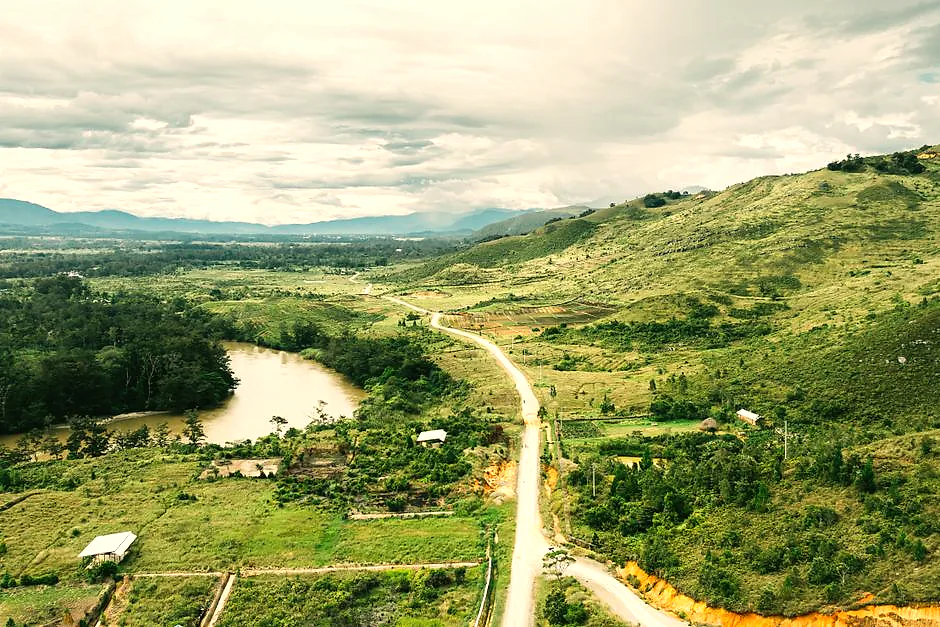
Cover photo by Ilze Lihacova on Pexels.
Frequently Asked Questions
How much does it cost to apply for the Digital Nomad Visa? It costs €60 to apply for the Digital Nomad Visa.
What are the processing times for the Digital Nomad Visa? The Digital Nomad Visa takes 15-30 days to process.
How much does a studio apartment in Riga's city centre cost per month? A studio apartment in Riga's city centre costs €490/month.
Want to see how Latvia stacks up?
Are you seriously considering a move? Use our interactive tools to explore Latvia's climate, tax brackets, and nomad visas.
Head-to-Head Relocation Comparisons
Compare taxes, safety, and living costs of Latvia against top alternatives.