
Moving to JordanShare
Jordan is a solid destination for global professionals, featuring a moderate tax burden of 21.2%. With a very high English proficiency score of 426, daily communication and business integration are seamless. It hosts a vibrant and diverse expat community, notably drawing a significant number of residents from Iraq.
Lifestyle & Vibe
Amman is one of the most stable and livable capitals in the Arab world for foreign professionals, with a relatively open social environment, solid English proficiency among educated classes, and a growing coworking scene concentrated in neighborhoods like Jabal Amman and Abdoun. The cost of living is moderate - cheaper than Western Europe but not as low as Southeast Asia - and housing quality in expat-favored areas is genuinely solid. Jordan does not currently offer a dedicated digital nomad visa, and the bureaucratic process for residency can be cumbersome. The country has maintained notable domestic stability relative to its neighbors, and functions as a regional hub for international organizations and NGO professionals.
Digital Freedom & Remote Work
Censorship and network interference data is currently being collected for Jordan.
Society & Demographics
In Jordan, the society is predominantly male at 51.57%, with a significant female population of 48.43%. The country exhibits high levels of internet penetration, with nearly all individuals (95.62%) using the internet, and shows an average English proficiency score of 426 on the EF scale. Economic inequality is moderate as indicated by a GINI index of 33.70. Women’s political representation is still low, holding only 19.5652% seats in parliament, while the majority (92.95%) of the population resides in urban areas. Jordan faces challenges with net migration, having experienced a total net out-migration of -303,267 over five years. The government invests significantly in education, allocating 9.79% of its GDP to this sector.
Gender Distribution
Aging Society
Population over 65 years old
Education Spending
UNESCO Data. Indicates focus on public schooling.
Quality of Life
In Jordan, residents enjoy a life expectancy of 75.65 years, reflecting decent overall health standards. The country has an impressive ratio of 32.62 medical doctors per 10,000 people, contributing to a Universal Health Coverage Index of 74. However, the obesity rate stands at 35.35%, posing challenges for public health. While safety is relatively high with only 0.99 homicides per 100,000 inhabitants, other quality-of-life indicators like happiness (scoring 4.48 out of 10) and working hours (averaging 47.99 hours a week) suggest room for improvement, especially in terms of work-life balance and overall well-being.
Economic Freedom & Business Climate
The Jordanian economy exhibits a mixed performance, with an inflation rate of 1.56%, reflecting stability but also indicating potential challenges in sustaining growth without higher consumer or business spending. The unemployment rate stands at 16.54%, highlighting significant job market pressures despite efforts to stimulate the economy. Economically, Jordan scores moderately well on several key indices, particularly in monetary and trade freedom, with robust investment and financial environments. However, areas such as government integrity and fiscal health present challenges that could impede further economic progress.
Evaluated across 12 quantitative factors. Scores span 0-100, where higher scores indicate greater economic liberty, lighter tax burdens, and stronger property rights.
Climate Profile (Amman)
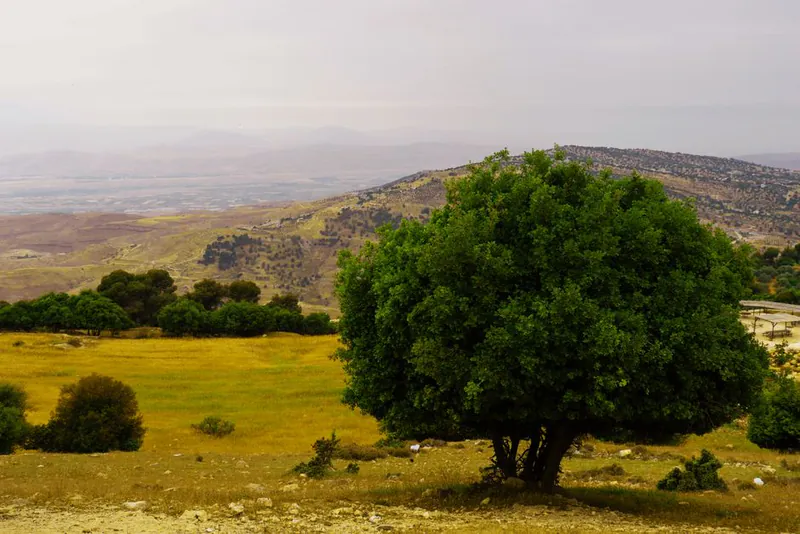
Jordan has a Mediterranean climate, characterized by scorching hot summers and mild winters, with the most sweltering periods occurring from June to August, when temperatures soar to sizzling highs of over 30 degrees Celsius, and the rainiest months falling between December and February, with an average of 9 rainy days. In stark contrast, the months of April and May, as well as September and October, are the most pleasant, with balmy temperatures ranging from 22 to 30 degrees Celsius, making them the ideal seasons to relocate or visit for a comfortable and enjoyable experience. For expats and digital nomads seeking to escape the crowds and revel in the country's rich history and culture, spring and autumn are the best times to visit Jordan, offering a perfect blend of warm weather, minimal rainfall, and impressive landscapes.
Political Stability & Governance
Evaluated across Worldwide Governance Indicators (WGI). Scores span approximately -2.5 to 2.5, where higher scores indicate stronger governance, better stability, and lower corruption.
Relocation Guides & Articles
Explore Similar Destinations
Frequently Asked Questions
What is the tax burden in Jordan?
The tax burden in Jordan is approximately 21.2%, according to World Bank data.
Is Jordan safe?
The homicide rate in Jordan is 1.0 per 100,000 people (World Bank).
Are people happy in Jordan?
The World Happiness Report scores Jordan at 4.5 out of 10.