Moving to IcelandShare
While living in Iceland comes with a higher tax burden of 31.4%, expats often benefit from its robust social infrastructure and high quality of life. It hosts a vibrant and diverse expat community, notably drawing a significant number of residents from Poland.
Lifestyle & Vibe
Iceland offers a remote work visa for up to 180 days, but the income threshold is steep - approximately €6,750/month for a single applicant - making it a niche destination for high-earning digital nomads rather than budget-conscious remote workers. The cost of living is among the highest in the world; groceries, dining, and housing will drain your budget faster than almost anywhere else in Europe. Remote work infrastructure is excellent, with near-universal fiber internet and a highly educated, English-speaking population. The lifestyle is austere, outdoor-focused, and socially reserved, best suited to those who value solitude, nature, and minimal social friction over a buzzing expat social scene.
Digital Freedom & Remote Work
Censorship and network interference data is currently being collected for Iceland.
Society & Demographics
Iceland has a balanced gender ratio with slightly more males at 51.2% of the population, while females make up 48.8%. The country is characterized by high urbanization rates, with over 94.18% of its inhabitants living in cities. Icelanders are highly connected to technology, as internet usage reaches an impressive 98.21%, and education receives significant investment at 15.66% of GDP. Reflecting a relatively egalitarian society, women constitute 46.03% of the parliamentarians, and income inequality is modest with a GINI Index of 26.8.
Gender Distribution
Aging Society
Population over 65 years old
Education Spending
UNESCO Data. Indicates focus on public schooling.
Quality of Life
In Iceland, residents enjoy a high quality of life with an impressive life expectancy of 82.58 years, significantly surpassing the global average. The nation features one of the lowest homicide rates globally at 1.29 per 100k people and maintains excellent air quality with PM2.5 levels at just 5.11 µg/m³, ensuring clean breathing conditions. With a strong healthcare system reflected in an universal health coverage index of 90.00, Iceland ensures access to medical care for all its citizens, supported by a high doctor-to-population ratio of 45.78 physicians per 10,000 people and a relatively low obesity rate at 22.20%. Additionally, the country's commitment to work-life balance is evident in average working hours of just 34.6 per week, contributing to overall well-being with a happiness score of 7.54 out of 10.
Economic Freedom & Business Climate
Iceland's economy operates within a framework that promotes financial freedom, as evidenced by its high Overall Economic Freedom Score of 75.0000, with particular strengths in business (86.8000) and trade freedoms (79.8000). The country features strong property rights and judicial effectiveness, which are reflected in scores of 94.9000 and 95.2000 respectively, fostering an environment conducive to investment. However, labor freedom remains a challenge with a score of 59.3000. Despite facing modest inflation at 5.8600% and unemployment at 3.6300%, the fiscal health is robust, indicated by a Fiscal Health score of 76.2000.
Evaluated across 12 quantitative factors. Scores span 0-100, where higher scores indicate greater economic liberty, lighter tax burdens, and stronger property rights.
Climate Profile (Reykjavik)
Iceland's climate is a mesmerizing mix of polar and temperate maritime influences, characterized by mild winters and cool summers, with the hottest period occurring in July, boasting average high temperatures of 13.66°C, while the rainiest months are May and September, with 19 and 18 rainy days respectively. The summer months, from June to August, are the best time to relocate or visit Iceland for comfortable weather, as they offer the warmest temperatures, longest days, and relatively fewer rainy days, making it an ideal season for outdoor enthusiasts and nature lovers. With its unique climate, Iceland is a paradise for expats and digital nomads who crave a distinctive experience, and visiting during the summer season allows them to fully immerse themselves in the country's impressive landscapes, hot springs, and the Midnight Sun, making it an unforgettable adventure.
Political Stability & Governance
Evaluated across Worldwide Governance Indicators (WGI). Scores span approximately -2.5 to 2.5, where higher scores indicate stronger governance, better stability, and lower corruption.
Relocation Guides & Articles
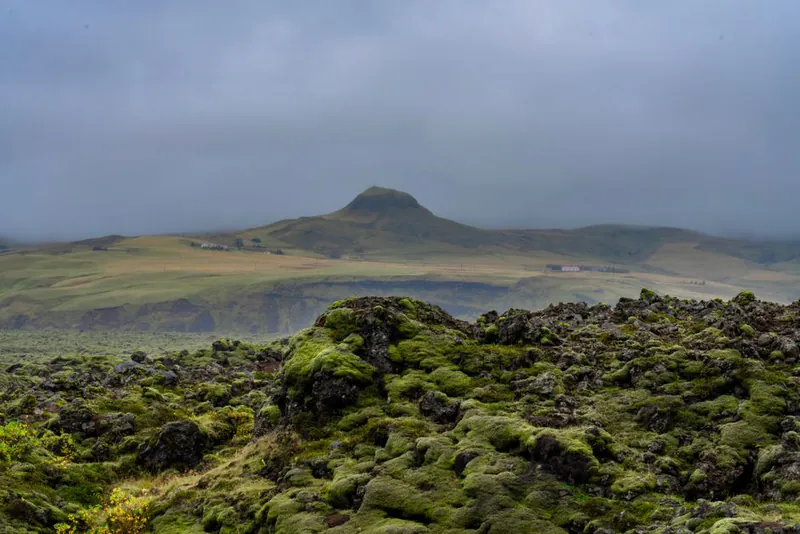
July 8, 2026
Iceland Digital Nomad Visa 2026: Requirements, Costs, Process, and What Nobody Tells You
A comprehensive guide to Iceland's Digital Nomad Visa for 2026, including the 1,000,000 ISK income requirement, application process, and hidden costs.
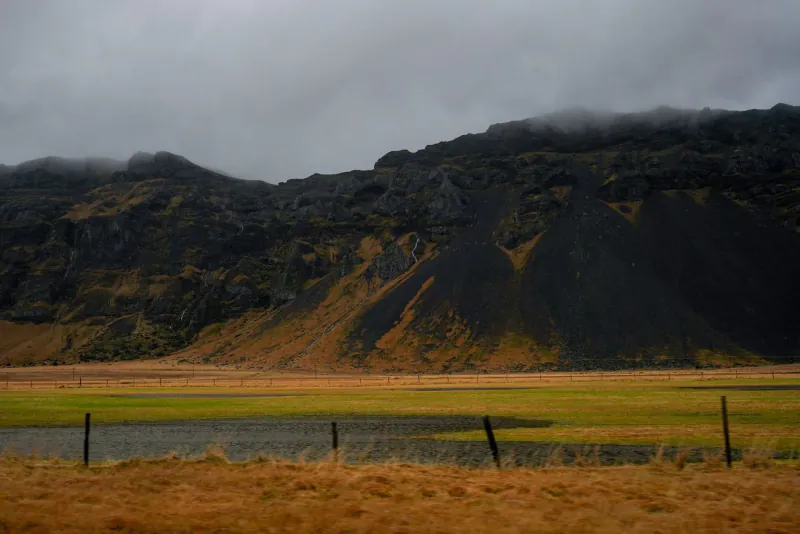
June 11, 2026
Moving to Iceland in 2026: €6,350 Average Salary, Safest Country & Visa Rules
Iceland boasts €6,350/mo average salaries and the world's highest safety index. Discover 2026 work permit requirements, high living costs, and Reykjavík rent.
Frequently Asked Questions
What is the tax burden in Iceland?
The tax burden in Iceland is approximately 31.4%, according to World Bank data.
Is Iceland safe?
The homicide rate in Iceland is 1.3 per 100,000 people (World Bank).
Are people happy in Iceland?
The World Happiness Report scores Iceland at 7.5 out of 10.