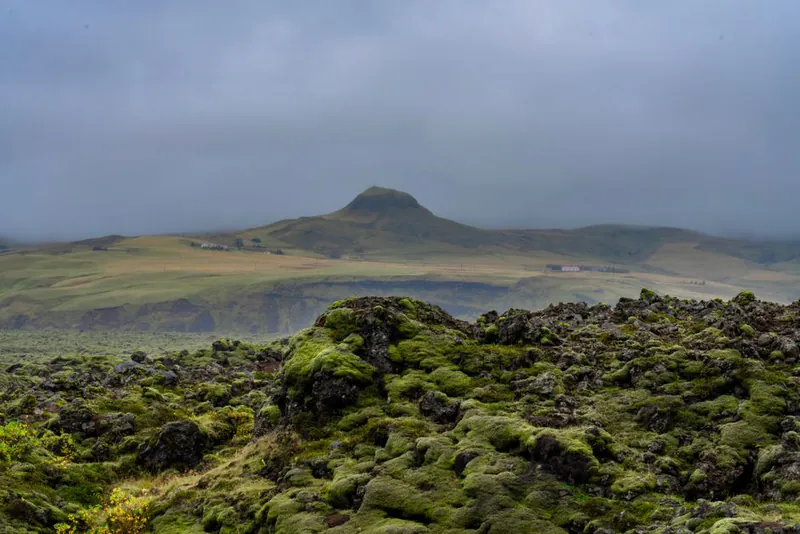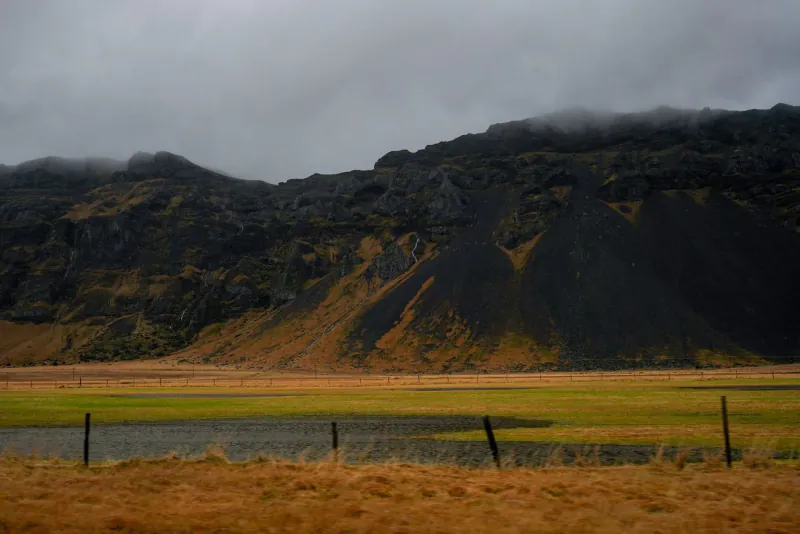
Moving to Iceland in 2026: €6,350 Average Salary, Safest Country & Visa Rules
June 11, 2026
ShareReykjavik was officially ranked the world's safest city in 2026 - ahead of Zurich, Copenhagen, and Tokyo - by the Global Peace Index. The Crime Index is 18.29 (Very Low). Walking alone at night: 72% of residents rate it as safe. There is no standing army, violent crime is statistically negligible, and the country's 380,000 inhabitants occupy a landmass the size of England.[1][2]
What the safety rankings don't tell you: Iceland is also one of the most expensive places on the planet to live. Monthly costs in Reykjavik for a single professional run $3,322-$3,842 including rent - in the top 1% of the most expensive cities globally. The average gross monthly salary of ISK 909,000 (~€6,350) compensates for this, but only if you have a job offer in hand before you land. Iceland does not issue residence permits for entrepreneurs, digital nomads (beyond a strict 180-day cap), remote workers employed by Icelandic companies, investors, or financially independent individuals. The paths in are narrow. The rewards for navigating them are significant.[3][4][5][6]
The Economy: Tourism-Dependent, Geothermal-Powered, Wage-Growth-Fuelled
Iceland's GDP growth projections for 2026 range from 2.0% (Central Bank of Iceland / àslandsbanki) to 3.0% (OECD). The OECD's most recent survey settled at 3.0%, driven by household consumption recovery, a rebound in exports (particularly tourism and marine products), and the continued expansion of Iceland's geothermal energy and data centre sector.[7][8][9]
| Institution | 2025 GDP | 2026 Forecast |
|---|---|---|
| OECD (June 2025 Survey) | 1.4% | 3.0% |
| Central Bank of Iceland | 2.0% | 2.0-2.5% |
| àslandsbanki | 1.3% | subdued |
| Landsbankinn | - | ~2.8% |
Inflation is the defining macroeconomic challenge. The Central Bank forecast inflation at approximately 5% in Q1 2026 - well above the 2.5% target. The interest rate was held at elevated levels through early 2026 to suppress demand. This is the primary reason rent and property prices, while moderating, remain high.[9]
Iceland is not in the EU and does not use the euro. It uses the Icelandic króna (ISK). Exchange rate: approximately ISK 143-145 per 1 USD, ISK 155-158 per 1 EUR in Q2 2026. The króna is a small, occasionally volatile currency - significant ISK movements against the euro or dollar can materially affect the real purchasing power of expats with overseas financial commitments.
Key sectors for expat professionals:
- Tourism and hospitality: Approximately 2 million tourists visit Iceland annually - roughly five times the local population. This creates continuous demand for multilingual hospitality professionals, tour operators, and accommodation managers year-round, not just in summer.
- Geothermal energy and engineering: Iceland generates nearly 100% of its electricity from geothermal and hydroelectric sources. The sector is expanding - data centres (attracted by cheap, green electricity), aluminium smelters, and green hydrogen projects are all hiring engineers, project managers, and sustainability specialists with international credentials.
- Tech and data centres: Major hyperscalers including Verne Technologies operate large data centre campuses in Iceland. The combination of cheap clean power, a cold climate (natural cooling), and political stability is drawing ongoing investment.
- Healthcare: Iceland faces the same physician and specialist shortage pattern as other Nordic countries. Non-Icelandic medical professionals must get credentials recognised by the Directorate of Health (Landlà¦knir) before practising - a process that takes 3-12 months depending on the country of qualification.
- Marine industries and aquaculture: One of the world's most sophisticated fishing industries. Marine biologists, aquaculture engineers, fish processing technology specialists, and international trade professionals are in demand.
- Finance: A small but functional financial centre. Arion Bank, àslandsbanki, Landsbankinn, and a number of pension fund managers are the main employers. English is the working language in most financial sector roles.
- Academic and research: University of Iceland, Reykjavik University, and a constellation of research institutes in geoscience, climate, and marine biology hire internationally.
Average gross monthly salary (Statistics Iceland, 2025): ISK 816,000-909,000/month (~€5,700-6,350). The statistical range reflects that some sector agreements (fishing, aluminium smelting) are below the all-sector average, while finance, tech, and management roles are well above it.[6][10]
Minimum wage (2026): ISK 440,000-515,000/month (~€3,075-3,595) - set by collective agreements of the Store and Office Workers' Union (VR); there is no statutory national minimum wage in the same form as the EU countries covered in this series. Iceland operates a collective bargaining-based wage floor, not a legal minimum. This means the practical minimum varies by industry and union agreement.[6]
Visas and Pathways to Residence
EEA/EFTA Citizens (Including EU Nationals): Free Movement
EEA, EFTA, and Faroe Islands nationals enjoy full freedom of movement in Iceland. No work permit, no residence permit required. Register your domicile (là¶gheimili) at Registers Iceland (skra.is) and apply for your Icelandic ID number (kennitala) within 3 months of arrival. That is the complete administrative process.
Nordic citizens (Denmark, Finland, Norway, Sweden): Even simpler - Nordic passport union means no permit at all. Show your national ID card for healthcare purposes.
Non-EEA/Non-EFTA Citizens: Work and Residence Permits
If you are not from an EEA or EFTA country, you need both a residence permit and a work permit before starting work in Iceland. The key rule: your employer must apply for the work permit; you apply for the residence permit. The two applications are linked - the Directorate of Immigration (àštlendingastofnun) receives both and coordinates processing.[11][12]
Critical rule: Your employer must demonstrate that the work is necessary and that no qualified EEA/EFTA candidate was available for the role. Iceland does not operate a points-based or quota system - each application is assessed individually on labour market need and your qualifications.[12]
The four categories of work-based residence permit:[13][12]
1. Qualified Professionals (Expert Knowledge)
The main route for skilled expats. Requirements:[14][12]
- Genuine job offer from an Icelandic employer for a role requiring expert knowledge
- University-level qualifications (or equivalent recognised training) relevant to the role
- Proof of secured housing in Iceland
- Valid health insurance (private, covering the 6-month waiting period before public coverage begins)
- Valid passport; clean criminal record
Processing time:
- Standard: up to 180 days (6 months)[12]
- Expedited track (qualified professionals only): 30 days - provided all supporting documents are submitted complete on first submission[14][12]
- Expedited processing applies only to the primary applicant, not to accompanying family members
Application fee: ISK 80,000 (~€560) - non-refundable even if the application is rejected or withdrawn.[13]
First permit validity: 1 year. Renewable for 2-year periods thereafter, provided employment continues and no wage or tax compliance issues arise.[12]
Important restriction: Your work permit is tied to your specific employer. If you change jobs, you must apply for a new work permit and have it approved before starting with the new employer. The period between submitting a renewal/new application and approval can create a gap - plan well in advance.[12]
Absence rule: During the validity of your permit, you may not spend more than 3 months outside Iceland every 12 months. This has implications for expats with family abroad or international travel-heavy roles.[12]
2. Labour Shortage Permits
Used when the employer has a documented, urgent need and cannot wait for the full qualified professional track. Applies more often to trade, construction, and seasonal sectors.[12]
- Applicants who require a visa to travel to Iceland cannot be in Iceland when applying - they must apply from abroad
- Processing: standard queue, no expedited track
- Typically 6-month initial permit; renewable
Shortage occupations with faster processing in 2026: Healthcare (physicians, nurses, physiotherapists), renewable energy engineering, construction trades, and IT.[15]
3. Remote Work Long-Stay Visa (Digital Nomad Track)
Iceland introduced its Long-Term Visa for Remote Work in 2020 - not a residence permit, but a national long-stay visa valid for 90 to 180 days.[16][17]
- Non-EEA/EFTA nationals
- Working remotely for a foreign employer or foreign clients - cannot work for Icelandic companies or employers
- Not seeking permanent residence in Iceland
Requirements:
- Minimum monthly income: ISK 1,000,000/month (~€6,700-7,000) for a single applicant
- If applying with a spouse or partner: ISK 1,300,000/month (~€8,700-9,100)[17]
- Proof of foreign employment or freelance contracts (employment contract, recent bank statements showing income)
- Valid health insurance covering the full stay
- Proof of accommodation in Iceland
- Passport valid for the full visa period
Application fee: ISK 12,200 (~€85)[18]
Processing: several weeks (2-4 weeks typically)
Tax implication: Staying fewer than 183 days = non-tax resident; Icelandic income tax does not apply to foreign-sourced income. If you stay more than 183 days (which exceeds the maximum visa validity anyway), full tax residency applies.[18]
Key restrictions:
- The visa is not renewable inside Iceland - you must leave and reapply; the 12-month reapplication block means you cannot chain consecutive remote work visas[18]
- Does not count toward permanent residence or citizenship
- Income threshold of ~€6,700-7,000/month is among the highest of any digital nomad programme globally
Permanent Residence and Citizenship
Permanent Residence Permit
After 4 years of continuous legal residence in Iceland on a work-based residence permit, you can apply for a permanent residence permit.[19][20]
- 4 years of uninterrupted legal residence
- Valid residence permit at time of application (cannot apply after permit expiry)
- Continuous lawful employment during the residence period
- No outstanding tax debts or attachments on property in the past 3 years
- Financial self-sufficiency (stable income - minimum approximately €1,700 gross/month)
- Clean criminal record
- Health insurance
Absence rule: You must not have been absent from Iceland for more than 3 months in any 12-month period during the 4-year qualifying residence. This is the same rule as for the regular work permit, but violations during the residency period can reset the clock.[12]
Family members of EEA/EFTA citizens: Acquire permanent residence rights after 5 years of continuous legal residence in Iceland.[19]
UK nationals under the Brexit agreement: Same 5-year continuous residence for permanent rights under the UK-Iceland Withdrawal Agreement.[19]
Processing time for PRP: Significantly longer than a standard renewal - the Directorate warns applicants explicitly that PRP processing takes materially longer. Budget 4-8 months.[19]
Application: Fully digital through island.is (requires an Icelandic electronic ID or Auà°kenni authentication).
Icelandic Citizenship
The standard naturalisation requirement is 7 years of continuous lawful residence in Iceland - 4 years to qualify for permanent residence, then typically a further 3 years on PRP before citizenship applications are processed.[21][22]
- Hold a valid permanent residence permit (or be exempt from the permit requirement - Nordic citizens, certain long-term residents)
- Icelandic language test (A1/A2 level - equivalent to approximately 240 hours of formal instruction); offered by Mímir education company; tests run twice per year in May and November, with occasional additional sessions[24][25]
- Verified identity (passport copy)
- No outstanding tax debts, no property attachment in past 3 years
- Estate not in liquidation
- Clean conduct during the residence period
Shorter qualifying periods:[22][21]
- Nordic citizens (Denmark, Finland, Norway, Sweden): 4 years
- Spouses of Icelandic citizens (cohabiting): 3 years of marriage/registered partnership with continuous residence in Iceland since the union date; spouse must have held Icelandic citizenship for at least 5 years
- Registered cohabitants of Icelandic citizens: 5 years of cohabitation and continuous residence
- Former Icelandic citizens: Simplified route
- Children born in Iceland or adopted by Icelandic citizens: Citizenship by registration
The language test bottleneck: As of March 2026, the Directorate of Immigration announced that the next citizenship language test date is uncertain while a new test provider is being selected. Applicants who have completed all other requirements are effectively blocked until a test date is confirmed. This is the primary queue-stopper for citizenship applicants in 2026 - plan accordingly and monitor mimir.is for dates.[25]
Citizenship processing backlog: As of March 30, 2026, the Directorate is processing citizenship applications received in October 2024 - approximately 17-18 months of backlog. Account for this when projecting your citizenship timeline.[25]
Dual citizenship: Iceland allows dual citizenship - you do not need to renounce your original nationality upon naturalisation.[21]
Icelandic passport: Visa-free or visa-on-arrival access to approximately 190 countries - one of the most powerful travel documents in the world. Full EEA (not EU) membership means freedom of movement, work, and residence across all EU member states and EFTA partners.
Cost of Living: The Most Expensive Nordic Country
Iceland is, bluntly, expensive. The average monthly cost of living for a single person in Reykjavik - including rent - is approximately $3,322-3,842 (ISK 467,000-540,000) depending on lifestyle choices. This places Reykjavik in the top 1% of the most expensive cities globally, ranked 86th out of 9,294 cities.[4][3]
The saving grace: salaries are correspondingly high. The median after-tax salary in Reykjavik is approximately $4,546/month (~ISK 640,000) - enough to cover living expenses for 1.4 months. A skilled professional earning above the median can save meaningfully. An unskilled worker on the minimum wage will find the math difficult.[4]
Rent in Reykjavik (2026)
| Property Type | Monthly Cost |
|---|---|
| 1-BR, city centre | ISK 230,000-330,000 (~€1,480-2,120)[26] |
| 1-BR, outside centre | ISK 170,000-240,000 (~€1,090-1,540)[26] |
| 2-BR, city centre | ISK 350,000-500,000 (~€2,250-3,200) |
| 3-BR, city centre | ISK 480,000+ (~€3,080+)[4] |
| Studio flat | ISK 180,000-250,000 (~€1,150-1,600) |
There is effectively only one city: Reykjavik and its immediate suburbs (Kópavogur, Hafnarfjà¶rà°ur, Garà°abà¦r) house approximately 65% of Iceland's entire population.[27]
The rental market in 2026: Supply is tight. Tourism-linked short-term rentals (Airbnb) removed thousands of units from the long-term market in the 2015-2023 period; regulatory pressure has partially reversed this, but inventory is still insufficient for demand. Finding a flat in central Reykjavik typically requires moving fast - properties list and lease within days.
Utility costs: Electricity and hot water in Iceland are geothermally generated and among the cheapest in Europe - monthly bills approximately ISK 8,500-11,000 (~€55-70) for electricity alone. Geothermal hot water is effectively free (municipal supply). This meaningfully reduces the total housing cost compared to elsewhere in Northern Europe where heating is the dominant winter expense.[3]
Monthly Budget (Single Professional, Reykjavik 2026)
| Item | Monthly Cost (ISK) | Approx. (€) |
|---|---|---|
| 1-BR apartment (mid-market, central) | ISK 260,000-320,000 | ~€1,700-2,050 |
| Electricity + hot water | ISK 8,000-12,000 | ~€50-75 |
| Broadband (unlimited) | ISK 7,000-10,000[3] | ~€45-65 |
| Phone plan (unlimited data) | ISK 4,000-7,000 | ~€25-45 |
| Groceries (Bónus / Krónan discount chains) | ISK 50,000-70,000[26] | ~€320-450 |
| Public transport (monthly bus pass) | ISK 12,900-15,000 | ~€83-96 |
| Gym | ISK 7,000-12,000 | ~€45-77 |
| Eating out 2à - /week | ISK 25,000-45,000 | ~€160-290 |
| Total (excluding rent) | ~ISK 113,000-171,000 | ~€725-1,100 |
| Total (with rent) | ~ISK 373,000-491,000 | ~€2,400-3,150 |
At a net take-home of ISK 560,000-640,000/month (typical for a mid-level professional), Reykjavik is liveable with meaningful savings possible. The calculation breaks down quickly on lower incomes.
Daily Expenses
| Item | Price (ISK) | Approx. (€) |
|---|---|---|
| Coffee (latte/cappuccino) | ISK 700-1,100 | €4.50-7.00 |
| Meal at inexpensive restaurant | ISK 2,500-4,500[3] | €16-29 |
| Three-course dinner for two (mid-range) | ISK 12,000-20,000[3] | €77-128 |
| Domestic beer (bar, 0.5L) | ISK 1,500-2,500 | €10-16 |
| Fuel (per litre, regular) | ISK 270-310 | €1.70-2.00 |
| Weekly groceries (single, budget shopping) | ISK 12,000-18,000 | €77-115 |
| Cinema ticket | ISK 2,000-2,800 | €13-18 |
| Monthly Strà¦tó bus pass (Reykjavik) | ISK 14,300 (~€92)[3] | - |
The alcohol reality: Beer in Iceland costs €10-16 at a bar - one of the most expensive in the world. Alcohol is taxed heavily and was only sold in state-run Vínbúà°in stores (closed Sundays and on public holidays) until online ordering and collection services expanded from 2023. Budget accordingly; this surprises many expats arriving from Central or Eastern Europe.
Taxes: High Rates, Efficiently Collected
Iceland's tax system is transparent, digital, and remarkably efficient. Most residents never file a tax return - the tax authority (Skatturinn) pre-fills all returns using employer and financial institution data, and you simply confirm or correct figures.
Personal Income Tax (PIT) 2026
Iceland's PIT is a combination of a national income tax and a municipal income tax (14.94% in Reykjavik), applied to the same brackets.[28]
| Monthly Income (ISK) | National Rate | Municipal Rate | Combined Rate |
|---|---|---|---|
| 0 - 498,122 ISK/month | 16.55% | 14.94% | 31.49%[29][30] |
| 498,123 - 1,398,450 ISK/month | 23.05% | 14.94% | 37.99%[29][30] |
| Above 1,398,450 ISK/month | 31.35% | 14.94% | 46.29%[29][30] |
Annual equivalents: Bracket 1 up to ISK 5,977,464/year (€38,400); Bracket 2 up to ISK 16,781,400/year (€107,800).
Personal tax credit (2026): ISK 72,492/month (ISK 869,898/year) - this is a direct credit against the tax owed (not a deduction from income), making it materially more valuable than a standard personal allowance. In practice, it eliminates tax entirely on the lowest earnings and significantly reduces the effective rate on middle incomes.[30][31]
At ISK 600,000/month gross (approximately the median salary):
- Bracket 1 tax: 31.49% à - ISK 498,122 = ISK 156,856
- Bracket 2 tax: 37.99% à - (ISK 600,000 − ISK 498,122) = 37.99% à - ISK 101,878 = ISK 38,703
- Total tax before credit: ISK 195,559
- Less personal credit: −ISK 72,492
- Tax payable: ISK 123,067 (~20.5% effective rate)
Capital gains tax: A flat 22% on realised capital gains for individuals.[32]
Tax filing: Pre-filled returns published by Skatturinn each March. Review, correct if needed, and confirm by May 1. Online at skatturinn.is. Discrepancies (undeclared foreign income, foreign asset changes) must be reported manually.
Tax year: Calendar year (January 1 - December 31). Withholding is at source - employers deduct monthly. Year-end assessment reconciles the final position.
Non-residents: Icelandic-source income for non-residents is taxed at 20% + 14.94% municipal = 34.94% for most categories.[28]
Social Contributions and Pension 2026
Iceland has one of the world's best mandatory pension systems (historically ranked #1 by the Mercer Global Pension Index) and one of the most generous contribution rates anywhere.[33]
| Contribution | Rate | Notes |
|---|---|---|
| Employee pension contribution | 4% of gross | Tax-deductible; withheld by employer; ages 16-70[34][33] |
| Employer pension contribution | 11.5% of gross | Paid by employer; not deducted from your salary[33] |
| Total mandatory pension | 15.5% | One of the highest in the OECD[33] |
| Employee additional voluntary | up to +4% | Tax-deductible; employer adds 2% on top if you contribute more than the mandatory 4%[33] |
| Employer social insurance tax (tryggingagjald) | 6.35% of gross | Paid entirely by employer; funds sick pay, parental leave, disability[35][36] |
| Elderly fund (lífeyrissjóà°ur) | ISK 14,614/year | Flat amount per taxpayer[34] |
EEA/EFTA certificate (A1 form): If you move from an EU/EEA country and hold a valid A1 form confirming you continue paying pension contributions in your home country, you are exempt from Icelandic mandatory pension contributions - and your employer pays a reduced social insurance rate. This applies most often to posted workers and some intra-company transfers.[34]
Take-home pay calculation (ISK 700,000/month gross):
| Item | Amount |
|---|---|
| Gross salary | ISK 700,000 |
| Employee pension (4%) | −ISK 28,000 |
| Taxable income | ISK 672,000 |
| Bracket 1 tax: 31.49% à - 498,122 | −ISK 156,856 |
| Bracket 2 tax: 37.99% à - (672,000 − 498,122) | −ISK 66,059 |
| Total tax | −ISK 222,915 |
| Personal tax credit | +ISK 72,492 |
| Net tax | −ISK 150,423 |
| Net take-home | ISK 521,577 (€3,350/month) |
| Effective deduction rate | ~25.5% of gross |
Employer additionally pays 11.5% pension + 6.35% tryggingagjald on top of your gross - a total employer cost of ISK 700,000 à - 1.1785 = ISK 824,950.
VAT: Standard rate 24% in Iceland. Reduced rates: 11% on food, accommodation, books, newspapers, and some other categories. This is among the highest VAT rates in Europe (though Denmark is 25%).[28]
Healthcare: Universal, Top 5 Globally, Six-Month Wait to Access It
Iceland's healthcare system is consistently ranked in the global top 5 for infrastructure and health outcomes. It is fully universal, funded through taxes and payroll contributions, and administered by Icelandic Health Insurance (Sjúkratryggingar àslands - sjukra.is).[37][38]
The critical catch for expats: Public coverage requires 6 months of continuous legal residence before you are enrolled. During those 6 months, you pay out of pocket or rely on private health insurance. This is non-negotiable for non-EEA nationals.[39][37]
Nordic citizens exception: If you move directly from Denmark, Finland, Norway, or Sweden, you can switch your Nordic coverage to Icelandic coverage immediately upon registering your domicile - no waiting period.[38]
EEA/EU citizens: The European Health Insurance Card (EHIC) covers you for medically necessary treatment during short stays; for permanent relocation, you enrol in the Icelandic system after 6 months.[40]
Getting Enrolled
- Register your domicile at Registers Iceland (skra.is)
- Receive your kennitala (Icelandic ID number)
- After 6 months of legal residence, apply to Icelandic Health Insurance through island.is
- Register with your nearest Heilsugà¦sla (health centre) - this is your GP entry point
Cost Structure (Post-Enrolment)
| Type | Co-payment |
|---|---|
| GP visit at Heilsugà¦sla | ISK 500-900 (heavily subsidised)[37] |
| Specialist (with GP referral) | Partial co-payment |
| Hospital inpatient care | Free[40] |
| Emergency (Bráà°amóttaka) | No charge |
| Dental (adults) | Not covered - full private cost[38] |
| Dental (children under 18) | Free / ISK 2,500 annual fee[40] |
| Prescription drugs | Partial reimbursement under Sjúkratryggingar |
Annual out-of-pocket cap (2026):[38]
- General adult: ISK 37,794/year (approximately €242)
- After reaching the annual cap: ISK 6,299/month flat co-pay for continued care
- Elderly, disabled, rehabilitation pension recipients: ISK 25,198/year cap
- Children under 18: ISK 25,198/year cap
No private hospitals in Iceland. There are specialist private clinics - particularly Klíníkin in Reykjavik - for faster access to diagnostics, elective procedures, and some specialist consultations. But Iceland's public hospital system (Landspítali University Hospital, Akureyri Hospital) handles all acute, surgical, and emergency care.[37]
Private health insurance (for the 6-month gap period): Plans covering the initial months before public enrolment: approximately ISK 15,000-35,000/month (~€96-225) depending on coverage level. Essential for all non-Nordic, non-EEA arrivals in the first 6 months.[37]
Emergency: 112 (universal).[38] After-hours medical line: 1700 (Là¦knavaktin - staffed 24/7 for non-emergency urgent advice).[40] Hospital emergency room (Reykjavik): Landspítali, Fossvogur campus - open 24 hours, tel. +354 525 1700.[38]
Safety: The World Standard
Reykjavik was named the world's safest city in 2026 by the Global Peace Index. The numbers behind that designation:[1]
| Metric | Value |
|---|---|
| Reykjavik Crime Index (Crowdsourced Data) | 18.29 - Very Low[2] |
| Reykjavik Safety Index (Crowdsourced Data) | 76.46[2] |
| Mugging/robbery worry | 14.76 - Very Low[2] |
| Physical attack worry | 16.61 - Very Low[2] |
| Safety walking alone at night | 72.02% - High[2] |
| Safety walking alone in daylight | 85.24% - Very High[2] |
| Ethnic/gender bias attack worry | 14.44 - Very Low[2] |
The one caveat: crime is perceived as increasing - 57.85% of Reykjavik residents report this perception over the past 5 years. This is largely driven by visible drug use (methamphetamine became a public health issue in the 2020-2023 period), social media amplification, and the experience of a previously near-zero-crime society noticing any increment. The absolute levels remain the lowest of any city of comparable size anywhere in the world.[2]
What crime looks like for expats: Occasional bicycle theft. Opportunistic bag snatching is essentially unknown. Drunk incidents late on Friday and Saturday nights near the main entertainment street (Laugavegur). Nothing that a resident of Warsaw, London, or Berlin would classify as a genuine safety concern.
Which City? (The Short Answer: Reykjavik)
Iceland has one city. Reykjavik and the Capital Region (Reykjavik, Kópavogur, Hafnarfjà¶rà°ur, Garà°abà¦r, Mosfellsbà¦r) house approximately 240,000 people - 65% of Iceland's entire population. All major employers, all embassies, the only international airport with year-round international connections, and virtually all cultural and social infrastructure are concentrated here. Moving to Iceland means moving to Reykjavik unless you have a very specific reason to be elsewhere.[27]
Akureyri is Iceland's second town - population approximately 20,000. A charming, walkable Arctic town in the north of Iceland with a local hospital, the University of Akureyri, and a growing outdoor recreation (skiing, whale watching) tourism sector. Cost of living approximately 15-20% lower than Reykjavik. Suitable for healthcare professionals, academics, or those specifically employed by local industries. Socialisation options are limited compared to the capital.
Best Reykjavik Neighbourhoods for Expats
101 Reykjavik (City Centre): The cultural heart. Old houses, Hallgrímskirkja church on the hill, coffee shops, galleries, and restaurants. Walking distance from everything. Rents at the highest end - ISK 290,000-380,000 for a 1-BR. The choice for those who want the most walkable, culturally rich urban experience.
Hlemmur / Laugavegur area: Reykjavik's main commercial and entertainment street extends into this district. Eclectic mix of old residential buildings and new developments. Good transport links. Popular with young professionals.
Breià°holt / àrbà¦r (Eastern suburbs): Newer construction, lower rents (ISK 200,000-270,000 for a 1-BR), more families, calmer atmosphere. Requires a car or relies on bus service to get to the city centre. Most affordable option within the Reykjavik municipality.
Kópavogur (immediately south of Reykjavik): Technically a separate municipality but functionally part of the Reykjavik metro. Lower rents than the capital. Good schools. Standard expat family choice.
Garà°abà¦r (coastal suburb, south): Quieter, well-serviced, lower crime, good family housing. 15 minutes by car from the city centre. Popular with senior expats, families, and embassy staff.
One Country, One Climate
Iceland's climate is oceanic subarctic - not as cold as stereotype suggests, but far more variable. The North Atlantic current keeps Reykjavik's winters milder than Siberia or Canada at the same latitude; temperatures rarely fall below −10°C. But wind, rain, and dramatic weather changes define daily life.
| Season | Reykjavik Temp | Notes |
|---|---|---|
| Winter (Dec-Feb) | −3°C to +3°C | Snow, wind, darkness; 5 hours of daylight in December |
| Spring (Mar-May) | −1°C to +8°C | Variable; can be sunny or blizzard in the same day |
| Summer (Jun-Aug) | 10°C to 18°C | Cool by continental standards; near-24-hour daylight in June |
| Autumn (Sep-Nov) | 2°C to 12°C | Northern Lights season begins from late August |
The darkness: December in Reykjavik means approximately 4 hours 30 minutes of daylight. The sun rises around 11:00 AM and sets before 3:30 PM. SAD-spectrum light therapy lamps are universal in Icelandic homes and widely sold everywhere. This is qualitatively different from Swedish or Finnish kaamos - Reykjavik at 64°N experiences a degree of darkness that many Southern or Central European expats find genuinely difficult in the first winter. Acknowledge it, plan for it, and most people adapt by year two.
The midnight sun: The inverse compensation - in June, the sun barely sets, dipping below the horizon for only a few hours. Blackout curtains are universal in Icelandic bedrooms.
Wind: More than temperature or darkness, wind defines Icelandic winter life. Reykjavik regularly experiences 60-90 km/h gusts in November-February. Umbrellas are useless and a mark of an obvious newcomer; a windproof, waterproof jacket is the basic uniform.
Internet and Infrastructure
Iceland consistently ranks among the top 5 globally for internet speed and coverage.[16]
- Fixed broadband: 1 Gbps fibre plans from Vodafone Iceland, Hringdu, and Origo: approximately ISK 7,000-10,000/month (~€45-65)[3]
- Average fixed broadband speed: 265+ Mbps nationally[16]
- Mobile: Síminn, Vodafone, and Nova offer unlimited data plans from ISK 4,000-7,000/month; 5G available in Reykjavik and major population centres
- Coverage in rural Iceland is surprisingly strong for a sparsely populated country - fibre reaches most inhabited areas
Transport:
- Strà¦tó (Reykjavik bus network): Buses only - no metro, no tram. Monthly pass: approximately ISK 14,300 (~€92). Service is functional for central routes but frequency drops significantly in evenings and weekends. Real-time arrivals via the Strà¦tó app.[3]
- Cycling: Extensive cycling path network in Reykjavik; popular in summer; challenging in winter due to wind and occasional ice
- Driving: Essential for anyone living outside the immediate city centre, visiting any non-urban area, or travelling between towns. Drive on the right. No petrol station exists between towns outside the Ring Road - plan fuel stops carefully.
- Keflavík International Airport (KEF): 50 km from Reykjavik city centre; Flybus coach connection takes approximately 45 minutes to BSà bus terminal. Flight time to London: 2.5 hours; Copenhagen: 2.5 hours; Amsterdam: 3 hours. Icelandair and PLAY are the main carriers.
Car ownership: Strongly recommended for expats outside the 101-107 Reykjavik postcodes. Studded tyres are permitted (and standard practice) from November to mid-April on public roads. Vehicle registration and mandatory third-party insurance through Samgà¶ngustofa (samgongustofa.is). EU licences are exchangeable; non-EU licences require a theory and practical test.
Buying Property: Open to EEA Residents, Restricted for Non-EEA Non-Residents
Property buying rules in Iceland depend on your residence status:[41]
- Icelandic citizens: Full purchase rights, no restrictions
- Foreign nationals domiciled in Iceland: Can buy, sell, and rent property freely - registered domicile (là¶gheimili) is the key criterion
- EEA nationals (regardless of domicile): Can buy freely
- Non-EEA, non-domiciled foreigners: Require a permit from the Minister of Justice to purchase real estate[41]
- Land purchases by foreigners: The land on which a property stands can be long-term leased (not purchased outright) if restrictions apply - a common structure for foreign buyers
In practice, expats with a valid TRP and registered domicile in Iceland can purchase freely. This covers most working expats after their arrival. The purchase restriction is primarily aimed at non-resident foreign investment.
One additional rule: Foreign (non-EEA) buyers without domicile in Iceland cannot purchase agricultural land. Urban residential property in Reykjavik is fully accessible for domiciled TRP holders.
Property Prices 2026
Iceland's property market has been cooling after a 2020-2024 boom, but prices remain high and supply is structurally tight.[42]
| Property | Price |
|---|---|
| Average Reykjavik apartment/house | $620,000 (~ISK 87 million)[42][43] |
| Capital Region (3-month average, 2025) | ISK 87,043,296 (~$620,000)[43] |
| Surrounding Capital Region average | ISK 64,600,000 (~$460,000)[43] |
| Rural Iceland average | ISK 52,440,000 (~$373,000)[43] |
| Akureyri average | $400,000-480,000[42] |
| Price per m² - Reykjavik city centre | ~€6,200/m²[41] |
| Price per m² - national average | ~€4,400/m²[41] |
Year-on-year price growth (2026): 3.7% in January 2026 - significantly slower than the 7-11% growth of 2024. Approximately 74% of properties in 2026 sold below initial asking price - a buyer's market signal in absolute terms, though still at high absolute price levels.[42]
Transaction costs:
- Real estate agent fee: typically 1.5-2.5% of purchase price (paid by seller)
- Mortgage stamp / registration fee: approximately 0.1-0.2% of loan value
- No stamp duty or property transfer tax on resales
- VAT at 24% applies to new-build purchases (typically included in developer price)
- Legal fees: ISK 100,000-300,000 for a standard transaction
Mortgage rates (2026): Icelandic mortgages are unique globally - many are indexed to CPI inflation (verà°tryggఠlán) rather than a fixed nominal rate. Monthly payments rise with inflation. The advantage: nominal interest rates are lower (approximately 4.0-4.5% for a CPI-indexed loan vs. 6.0-7.0% for an unindexed fixed-rate loan in 2026). During high inflation periods (as in 2021-2026), indexed loan holders pay more each month in real terms. Unindexed loans offer payment certainty at a higher nominal rate. Icelandic banks (Arion Bank, àslandsbanki, Landsbankinn) offer both structures. Non-Icelandic residents with a TRP can obtain mortgages - typically requiring 20-30% down payment for non-citizens.
Your First 30 Days: The Checklist
Register your domicile (là¶gheimili) at Registers Iceland - at skra.is; done online with your Icelandic electronic ID or Auà°kenni app (if already set up), or in person at Registers Iceland in Reykjavik; bring your passport and rental contract; your address is legally registered here; this triggers your kennitala (Icelandic ID number) - the 10-digit identifier used for all state, banking, and commercial interactions in Iceland; you cannot open a bank account, apply for health insurance, or sign a phone contract without it
Present yourself to the Directorate of Immigration (àštlendingastofnun) within 1 week of arrival - mandatory for non-EEA/EFTA work permit holders; bring your passport; they photograph you and issue the physical residence permit card; attend in person at Dalvegur 18, 201 Kópavogur (or a District Commissioner's office outside the capital); failure to appear within the first week can create a compliance issue with your permit[12]
Undergo a medical examination within 2 weeks of arrival - also required for non-EEA/EFTA residence permit holders; arranged through the Directorate of Immigration; standard public health check; bring your passport and permit documentation[11]
Set up an Auà°kenni electronic ID - at audkenni.is; the primary authentication method for all Icelandic government portals including island.is, Skatturinn, Sjúkratryggingar, and online banking; requires your kennitala; available as a mobile app (Auà°kenni app) or via a hardware token; without it, most online administrative tasks require in-person visits; setting this up in week one saves significant time later
Open a bank account - Landsbankinn, àslandsbanki, and Arion Bank are the main retail banks; all require your kennitala and passport; most offer digital-first onboarding; Meniga (a fintech) provides accounts via Arion Bank with strong app experience; get a basic current account (reikningur) for salary and bill payments; Visa/Mastercard debit cards are standard; chip-and-PIN (or tap) is universal - cash is rarely used anywhere in Iceland
Buy private health insurance for the 6-month waiting period - this is not optional for non-EEA arrivals; plan costs ISK 15,000-35,000/month depending on coverage; apply before arrival if possible; ensure the policy covers Icelandic medical costs (not just an EU travel policy); providers include April International, AXA, and Cigna Global for international expat coverage; at the 6-month mark, apply for Icelandic Health Insurance through island.is[37]
Register with a GP (heilsugà¦sla) at the nearest health centre once public coverage begins - after 6 months, your kennitala links you to the national system; register at heilsuvera.is (the digital health portal) for appointments, prescriptions, and GP communications; without a registered GP you cannot be referred to a specialist
Submit your tax registration at Skatturinn - at skatturinn.is; as an employee, your employer registers you; verify that your kennitala, address, and bank account are correctly linked for any tax refunds; your personal tax credit (ISK 72,492/month) must be allocated to your employer - if you hold multiple jobs, split the credit or assign it entirely to your primary employer; unused monthly credit does not automatically carry forward without correct setup
Sort your pension fund - your employer will enrol you in a pension fund (lífeyrissjóà°ur) tied to your collective agreement or sector; verify you are enrolled and that the correct 4% + 11.5% split is appearing on your payslips; if you hold an EEA A1 form (continuing to pay pension contributions in your home country), submit it to your employer and Skatturinn immediately to avoid double contribution; voluntary additional contributions (up to 4%) should be considered from the outset - they are tax-deductible and trigger the employer's 2% match[33]
Learn the Reykjavik geography and buy a wind-proof jacket - the city is more compact than it looks on a map; Old Town (101), Hlemmur, and the university district are 10-15 minutes walk from each other; Kópavogur and Hafnarfjà¶rà°ur are a 15-20 minute bus ride; the Strà¦tó app (free, iOS and Android) shows real-time bus locations for every route; a waterproof, windproof outer layer (Cintamani, 66°North, or international equivalent - Gore-Tex minimum weight) is more important than any other item of clothing; bring one before you arrive; Icelandic wind destroys umbrellas and standard city jackets within weeks
Key Data at a Glance
| Indicator | Value |
|---|---|
| GDP Growth 2026 (OECD) | 3.0%[8] |
| GDP Growth 2026 (Central Bank) | 2.0-2.5%[9] |
| Inflation 2026 (Q1, Central Bank) | ~5%[9] |
| Currency | Icelandic króna (ISK) - not euro; ~ISK 156/€ |
| Minimum wage 2026 | ISK 440,000-515,000/month (~€2,820-3,310) - union-set[6] |
| Average gross monthly salary (2025) | ISK 816,000-909,000 (~€5,240-5,830)[6][10] |
| Wage index growth (2026) | +4.9% year-on-year[10] |
| PIT Bracket 1 (up to ISK 498,122/month) | 31.49%[30] |
| PIT Bracket 2 (ISK 498,123-1,398,450/month) | 37.99%[30] |
| PIT Bracket 3 (above ISK 1,398,450/month) | 46.29%[30] |
| Personal tax credit (monthly) | ISK 72,492 (~€465)[30] |
| Capital gains tax | 22%[32] |
| VAT (standard) | 24%; reduced 11% on food and some services[28] |
| Employee pension contribution | 4% of gross (tax-deductible)[34] |
| Employer pension contribution | 11.5% of gross[34] |
| Employer social insurance (tryggingagjald) | 6.35% of gross[36] |
| EEA/EFTA citizens | No permit needed |
| Non-EEA work permit | Employer applies; residence + work permits required[12] |
| Work permit processing (expert track) | Standard: 180 days; Expedited: 30 days[12] |
| Residence permit application fee | ISK 80,000 (~€560)[13] |
| Work permit tied to employer | Yes - new permit needed if you change jobs[12] |
| Absence rule during permit | Max 3 months outside Iceland per 12 months[12] |
| Remote work visa (digital nomad) | Up to 180 days; income floor ISK 1,000,000/month (~€6,700)[17] |
| Remote work visa - not renewable inside Iceland | Confirmed - must leave to reapply[18] |
| Permanent residence after | 4 years continuous legal residence[19] |
| Citizenship after | 7 years (standard); 4 years for Nordics; 3 years for spouses[21][22] |
| Icelandic language test required | Yes (A1/A2 level) - currently uncertain test date in 2026[25] |
| Citizenship processing backlog (June 2026) | Processing October 2024 applications (~18 months)[25] |
| Dual citizenship | Permitted[21] |
| Icelandic passport visa-free access | ~190 countries |
| Reykjavik Crime Index (Crowdsourced Data) | 18.29 - Very Low[2] |
| Reykjavik - World's Safest City 2026 | Yes (Global Peace Index)[1] |
| Healthcare waiting period (non-EU) | 6 months of legal residence[37][38] |
| Annual healthcare out-of-pocket cap | ISK 37,794 (~€242)[38] |
| Dental (adults) | Not covered by public system[38] |
| Emergency | 112 |
| After-hours medical line | 1700 |
| 1-BR central Reykjavik rent (2026) | ISK 230,000-330,000/month (~€1,480-2,120)[26] |
| Average Reykjavik property price | $620,000 (€560,000)[42] |
| Property YoY growth (Jan 2026) | 3.7% (cooling from 2024 peak)[42] |
| Land sale to non-EEA non-residents | Restricted - permit required[41] |
| Non-EEA residents domiciled in Iceland | Can buy freely[41] |
| Average fixed broadband speed | 265+ Mbps - top 5 globally[16] |
| Broadband (1 Gbps, monthly) | ISK 7,000-10,000 (~€45-65)[3] |
The Iceland calculation is binary. You can get a job offer from an Icelandic employer at a salary above the sector average - in which case the world's safest city, a €6,350 average wage, 17 hours of summer daylight, and a 7-year path to one of the world's strongest passports await you. Or you cannot - in which case the residence permit system has no other meaningful door open. The remote work visa's ISK 1 million income floor eliminates most candidates before they even start. Iceland is deliberate about who it lets in.
References
Iceland Overtakes Ireland, Austria, Switzerland, Portugal, ... - Reykjavik, Iceland, soared to the top of the Global Safety Rankings as the world's safest city in 20...
Cost of Living in Reykjavik, Capital Region, Iceland in 2026 - This page contains up-to-date cost of living information for Reykjavik, Capital Region, Iceland in 2...
Reykjavik: Cost of Living, Salaries, Prices for Rent & food - The average cost of living in Reykjavik is $3322, which is in the top 0.9% of the most expensive cit...
How to Obtain an Iceland Residence Permit in 2026 - Learn how to obtain a residence permit in Iceland. Key requirements, benefits of Icelandic residency...
minimum and average salary in iceland - Wage Centre - SALARY IN ICELAND The official minimum and average wages in Iceland. Salaries in different economic ...
OECD Economic Outlook, Volume 2025 Issue 1: Iceland - The global outlook is becoming increasingly challenging. Substantial increases in barriers to trade ...
Reforms to make fiscal policy more effective, improve education and boost electricity generation would spur Iceland's growth - Iceland's economic growth is regaining strength as monetary policy eases and exports expand. Enhanci...
Monetary Bulletin 2026/1 - Monetary Bulletin provides a quarterly overview of monetary developments and prospects, including ...
Work permits - Fjà¶lmenningarsetur - Nationals of countries outside of the EEA/EFTA need a work permit before moving to Iceland to work. ...
Basic Requirements - If you are a citizen from a state outside the European Economic Area (EEA), the European Free Trade ...
Residence permit based on work | àsland.is - Island.is - Individuals that have been hired for work in Iceland can apply for a residence permit based on work.
Residence Permit for Qualified Professionals (Iceland) - Iceland (2026 guide) - Indicative only - separate residence-permit and work-permit fees apply and are set by the authoritie...
Iceland residence 2026 - work, study & family permits - VelesClub Int. - 2026 guide to Icelandic residence permits: work, study and family visas, renewals, long-term residen...
Iceland Digital Nomad Visa - Application and Requirements - Iceland introduced its digital nomad visa in October 2020. The visa, officially known as the long-te...
Iceland Digital Nomad Visa | Work Remotely in Iceland for 180 Days - Discover everything about the Iceland Digital Nomad Visa. Learn who can apply, income requirements, ...
Remote Work Visa - Iceland 2026 | TaxRavens - Iceland since 2020 offers long-term visa for remote workers for 90-180 days. High requirements: mini...
Permanent residence permit - The application is for an individual who has lived in Iceland for four years with a residence permit...
I'm not from the EEA / EFTA region - General information - Those who are not EEA/EFTA nationals must apply for a residence permit if they intend to stay in Ice...
Iceland citizenship 2026 - naturalisation, descent & dual ... - 2026 guide to Icelandic citizenship: naturalisation after residence, citizenship by descent and birt...
Icelandic Citizenship 2026: Step-by-Step Guide for Foreigners - A step-by-step guide to Icelandic citizenship: who can qualify, what the requirements are, how long ...
Application for Icelandic citizenship | àsland.is - Island.is - Foreign nationals can apply for Icelandic citizenship electronically for themselves and their childr...
492 Icelandic language proficiency tests for citizenship - The Icelandic language test for citizenship took place from November 18 to December 2. Of the 492 pa...
Iceland Citizenship Timeline: Language-Test Delays, Document ... - A practical guide to the Iceland citizenship timeline for applicants who want to keep their original...
Cost of Living in Reykjavík 2026 - Monthly expenses breakdown for expats living in Reykjavík, Iceland.
Expat Healthcare in Iceland: Complete Guide to the System - Discover how Iceland's healthcare system works for expats: public insurance, costs, procedures, Heil...
Iceland - Individual - Taxes on personal income - Detailed description of taxes on individual income in Iceland
Iceland Personal Income Tax, Payroll Tax, and Corporate ... - Iceland Revenue and Customs has published the key rates and amounts for 2026 (English), which includ...
Personal tax credit and income tax brackets | àsland.is - Island.is - Personal tax credit is deducted from tax from paid wages and pensions. It is important to use it cor...
Personal tax credit and income tax brackets | àsland.is - Island.is - Personal tax credit is deducted from tax from paid wages and pensions. It is important to use it cor...
Mandatory Pension System - Iceland 2026 | TaxRavens - Iceland has one of world's best pension systems (#1 Mercer 2021 ranking). Three-tier system: state b...
Iceland - Individual - Other taxes - Worldwide Tax Summaries - Detailed description of other taxes impacting individuals in Iceland
Social Security Iceland - Pension and Insurance Contributions - Iceland social security: 6.35% employer insurance, 15.5% pension (11.5% employer + 4% employee), and...
Employment Taxes in Iceland - Discover the key details of employer and employee tax contributions, along with information on tax-f...
Healthcare in Iceland for Expats 2026: Insurance, Costs & Hospitals - Iceland operates a universal public healthcare system funded through payroll contributions, covering...
Icelandic Health Insurance - Work in Iceland - Healthcare is subsidized in Iceland, and residents are automatically covered by the Icelandic Health...
Dialysis, Oxygen &... - European Health Insurance Card: Medical contacts and costs in Iceland
Iceland Real Estate Investment for Foreigners 2026: Guide to Buying a ... - Detailed guide to investing in apartments & houses in Iceland. How investors can obtain residence an...
Housing Prices in Iceland Rose by 3.7% in 2026 - At the beginning of 2026, Iceland's real estate market shows signs of cooling after several years of...
Rental Market - Is residential property in Iceland an attractive investment? Full analysis of Iceland's property mar...
Frequently Asked Questions
How much does the average gross monthly salary in Reykjavík amount to? ISK 909,000 (~€6,350).
What are some key sectors for expat professionals in Iceland?
- Tourism and hospitality: Continuous demand for multilingual hospitality professionals, tour operators, and accommodation managers.
- Geothermal energy and engineering: Hiring engineers, project managers, and sustainability specialists with international credentials due to the expansion of data centres, aluminium smelters, and green hydrogen projects.
- Tech and data centres: Major hyperscalers operating large data centre campuses in Iceland, requiring expertise in cheap clean power, natural cooling, and political stability.
What are the challenges regarding residency for expats in Iceland? The paths into Iceland's residence system are narrow; it does not issue residence permits for entrepreneurs, digital nomads (beyond a strict 180-day cap), remote workers employed by Icelandic companies, investors, or financially independent individuals.
Cover photo by Swapnil Sharma on Pexels.
Want to see how Iceland stacks up?
Are you seriously considering a move? Use our interactive tools to explore Iceland's climate, tax brackets, and nomad visas.