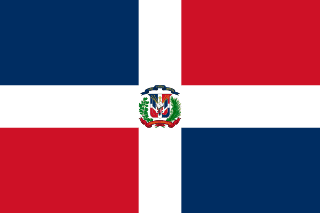
Moving to Dominican RepublicShare
Dominican Republic is a solid destination for global professionals, featuring a moderate tax burden of 17.5%. With a very high English proficiency score of 503, daily communication and business integration are seamless. It hosts a vibrant and diverse expat community, notably drawing a significant number of residents from Haiti.
Lifestyle & Vibe
The Dominican Republic - primarily Santo Domingo and Las Terrenas - has a growing remote work scene with decent internet infrastructure in urban areas, a relatively low cost of living by Caribbean standards, and a straightforward visa situation that allows extended tourist stays. Santo Domingo has co-working spaces, strong restaurant and nightlife culture, and a large expat community from both the Americas and Europe, but petty crime and personal safety require real daily vigilance, particularly for newcomers. Cashless payments are common in modern commercial areas, but cash remains king in local neighborhoods and public markets. The dating culture is active and socially open, and the time zone alignment with the US East Coast is a significant professional advantage for client-facing remote workers.
Digital Freedom & Remote Work
Censorship and network interference data is currently being collected for Dominican Republic.
Society & Demographics
The Dominican Republic exhibits a balanced gender ratio with slightly more females (50.29%) than males (49.71%). With over 91% of the population online, it showcases a high level of digital connectivity. The country has made significant strides in education, allocating 20.87% of GDP to educational spending and achieving an English proficiency score of 503, indicating a moderately high understanding of the language. However, income inequality persists as indicated by a GINI index of 39, with women holding about one-third (36.84%) of parliamentary seats and a substantial portion (72.41%) living in urban areas, reflecting ongoing challenges in social equity and economic development.
Gender Distribution
Aging Society
Population over 65 years old
Education Spending
UNESCO Data. Indicates focus on public schooling.
Quality of Life
The Dominican Republic offers a quality of life that balances both progress and challenges. With a life expectancy of 73.32 years and an obesity rate of 30.77%, the country is addressing health-related issues while seeing its population live longer. The healthcare system provides for a relatively high number of medical doctors (21.22 per 10k people) and maintains a strong Universal Health Coverage Index at 73, ensuring a moderate level of access to care. However, safety remains an issue with a homicide rate of 10.92 per 100k inhabitants, and air quality is satisfactory but not pristine, as indicated by PM2.5 levels of 19.83 µg/m³. Despite these factors, the country scores moderately on happiness scales, indicating a generally positive outlook among its residents.
Economic Freedom & Business Climate
The Dominican Republic has a business climate characterized by moderate levels of economic freedom, with an Overall Economic Freedom Score of 63.8000 out of 100. Despite facing challenges such as low financial freedom (40.0000) and high government spending (89.1000), it has managed to maintain stable inflation at 3.3000% and a relatively low unemployment rate of 5.0900%. While property rights, judicial effectiveness, and government integrity present areas for improvement with scores of 53.9000, 58.0000, and 39.8000 respectively, the country still offers robust opportunities in business freedom (71.4000), monetary freedom (72.1000), and trade freedom (67.4000).
Evaluated across 12 quantitative factors. Scores span 0-100, where higher scores indicate greater economic liberty, lighter tax burdens, and stronger property rights.
Climate Profile (Santo Domingo)
The Dominican Republic has a tropical climate, characterized by warm temperatures and high humidity levels throughout the year, with average maximum temperatures ranging from 28 to 31 degrees Celsius. The country experiences its hottest period from June to August, with temperatures often reaching 30 degrees Celsius, while the rainiest months are from May to October, with an average of 22 rainy days per month, making the cooler and drier months of December to April the best time to relocate or visit for comfortable weather. Expats and digital nomads seeking to escape the crowds and enjoy a more pleasant climate will find the winter months, from January to March, to be the most ideal, with mild temperatures and fewer rainy days, making it an attractive destination for those looking to soak up the Caribbean sun without the sweltering heat.
Political Stability & Governance
Evaluated across Worldwide Governance Indicators (WGI). Scores span approximately -2.5 to 2.5, where higher scores indicate stronger governance, better stability, and lower corruption.
Relocation Guides & Articles
Frequently Asked Questions
What is the tax burden in Dominican Republic?
The tax burden in Dominican Republic is approximately 17.5%, according to World Bank data.
Is Dominican Republic safe?
The homicide rate in Dominican Republic is 10.9 per 100,000 people (World Bank).
Are people happy in Dominican Republic?
The World Happiness Report scores Dominican Republic at 6.1 out of 10.