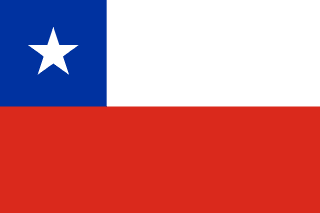
Moving to ChileShare
Chile is a solid destination for global professionals, featuring a moderate tax burden of 21.9%. With a very high English proficiency score of 517, daily communication and business integration are seamless. It hosts a vibrant and diverse expat community, notably drawing a significant number of residents from Peru.
Lifestyle & Vibe
Chile is South America's most digitally advanced and institutionally stable country, with Santiago offering fast fiber internet, modern co-working spaces, and a well-functioning public transport system (Metro de Santiago) - making it the region's most reliable remote work infrastructure base. The cost of living is higher than other Latin American alternatives - Santiago runs $1,200-$2,000/month for a comfortable lifestyle - but this reflects proportionally higher quality of life, safety, and service reliability. Chile offers a temporary residency visa for independent workers and digital nomads, processing is generally transparent, and cashless payments are standard in urban environments. The expat social scene is growing but more corporate than in Buenos Aires or Medellín, and the social culture is notably more reserved by Latin American norms.
Digital Freedom & Remote Work
Censorship and network interference data is currently being collected for Chile.
Society & Demographics
In Chile, the population is predominantly female, with a slight imbalance of 49.70% male and 50.30% female as of recent data. The high internet penetration rate of 95.59% suggests a technologically advanced society where digital communication is prevalent. However, there remains educational inequality, indicated by the Gini index of 43.00, which measures income distribution.
Chile exhibits significant urbanization with 89.00% of its population living in cities, and a notable trend towards female political participation, as evidenced by women holding 35.48% of parliamentary seats. The country also faces challenges related to immigration, with net migration over the past five years totaling 51,712 individuals. Despite these complexities, Chile invests heavily in education, dedicating 18.38% of its GDP to educational spending, aiming to foster a more skilled and proficient workforce.
Gender Distribution
Aging Society
Population over 65 years old
Education Spending
UNESCO Data. Indicates focus on public schooling.
Quality of Life
In Chile, the quality of life is reflected by a life expectancy of 79.02 years, indicating relatively good health outcomes. The country has a strong healthcare system with 34.9 medical doctors per 10,000 people and an impressive Universal Health Coverage Index of 84, ensuring broad access to essential services. However, the obesity rate stands at 40.46%, which is concerning for long-term health impacts. While the happiness score of 6.3 on a scale from 0 to 10 suggests room for improvement, the data also highlight positive aspects such as average work hours (39.37 per week) and air quality levels (23.28 µg/m³), which are considered healthy.
Economic Freedom & Business Climate
The Chilean economy exhibits a robust business climate with an Overall Economic Freedom Score of 74.3000, reflecting strong property rights (69.7000), high judicial effectiveness (90.3000), and favorable trade freedom (78.0000). However, the labor market faces significant challenges as evidenced by a lower Labor Freedom score at 56.8000. Financially, Chile shows considerable stability with a Fiscal Health score of 94.1000, yet there is room for improvement in investment freedom (60.0000). The current inflation rate stands at 4.3000%, and while the unemployment rate is higher at 8.9700%, the government's fiscal prudence indicated by a score of 78.2000 on government spending supports overall economic stability.
Evaluated across 12 quantitative factors. Scores span 0-100, where higher scores indicate greater economic liberty, lighter tax burdens, and stronger property rights.
Climate Profile (Santiago)
Chile has a Mediterranean climate, characterized by warm, dry summers and mild, wet winters, with the hottest period of the year occurring from January to February, where temperatures soar to a scorching 29.85°C, while the rainiest months are from June to August, with an average of 6 rainy days per month. The country's climate is at its most pleasant from September to November, when the temperatures are mild, ranging from 18.86°C to 26.20°C, making it the ideal season for expats and digital nomads to relocate or visit, with comfortable weather and fewer rainy days. During this period, the gentle warmth and reduced rainfall create a perfect blend for outdoor exploration, making it a great time to experience the country's stunning landscapes, vibrant culture, and exciting activities, without the crowds and extremes of the peak tourist season.
Political Stability & Governance
Evaluated across Worldwide Governance Indicators (WGI). Scores span approximately -2.5 to 2.5, where higher scores indicate stronger governance, better stability, and lower corruption.
Relocation Guides & Articles

Explore Similar Destinations
Frequently Asked Questions
What is the tax burden in Chile?
The tax burden in Chile is approximately 21.9%, according to World Bank data.
Is Chile safe?
The homicide rate in Chile is 6.3 per 100,000 people (World Bank).
Are people happy in Chile?
The World Happiness Report scores Chile at 6.3 out of 10.
Head-to-Head Relocation Comparisons
Compare taxes, safety, and living costs of Chile against top alternatives.