Moving to Chile in 2026: Start-Up Chile Visas, Santiago Costs & Tax Rules
June 11, 2026
ShareChile is the only country in South America that belongs to the OECD. That fact explains almost everything about why roughly 1.6 million immigrants now live here - the rule of law is consistent, contracts are enforceable, property rights are protected for foreigners and locals alike, and the peso, while volatile, is backed by the world's largest copper reserves and a fiscal discipline uncommon in the region. GDP growth is forecast at 2.2-2.5% in 2026, inflation is tracking toward the 3% target, and the Central Bank is cutting rates toward 4.25% by year-end.[1][2]
The compromise: Santiago's Crime Index sits at 64.1 - High. The city is not Reykjavik. Neighbourhood selection matters more here than in almost any other destination in this series. Get it right - Providencia, Las Condes, Vitacura, à‘uñoa - and daily life is safe, comfortable, and extraordinarily affordable by any Western European or North American standard. Get it wrong - inner Estación Central, parts of Santiago Centro, some southern communes - and you will have daily problems. This article tells you exactly how to get it right.[3]
The Economy: Copper, Lithium, and a Gradual Recovery
Chile's economy expanded 2.4% in 2025 and is projected to grow 2.2% (OECD) to 2.5% (market consensus) in 2026. Growth is driven by recovering private investment (gross fixed capital formation up 5.1% in 2026), rising real wages as inflation normalises, and sustained export revenues from copper and an emerging lithium sector that makes Chile central to the global battery supply chain.[4][2][1]
| Institution | 2025 GDP | 2026 Forecast |
|---|---|---|
| OECD (Dec 2025) | 2.4% | 2.2% |
| IMF | 2.4% | 2.0% |
| Central Bank (range) | 2.4% | 2.0-3.0% |
| Market consensus (March 2026 survey) | 2.4% | 2.5% |
Inflation peaked in 2022 and has been in gradual decline. The OECD projects inflation at 3.2-3.3% in 2026 - back to the Central Bank's 2.5-3.5% target corridor. The monetary policy rate is expected to fall from 5.0% to approximately 4.25% by year-end 2026, further easing mortgage rates and business credit.[2][5][4]
Chile uses the Chilean peso (CLP). Exchange rate: approximately CLP 920-950 per 1 USD, CLP 980-1,000 per 1 EUR in Q2 2026. The peso is floating, exportled, and correlated with the copper price - significant copper price movements flow into the CLP within weeks. For expats with euro or dollar income, a strong copper cycle means a weaker dollar-to-CLP conversion (your money buys less); a weak cycle means the opposite.
Key sectors for expat professionals:
- Mining and resources: Chile produces approximately 27% of the world's copper and over 40% of its lithium. Mining, metallurgy, process engineering, environmental management, and logistics roles are permanently in demand. Antofagasta (copper), Atacama (lithium), and Copiapó are the major northern hubs. Santiago hosts most corporate mining headquarters.
- Technology and fintech: Santiago's Sanhattan district (Las Condes and Vitacura) is the main tech hub. Cornershop (acquired by Uber), Buk, Fintual, and a dense ecosystem of regional fintech companies (Chile's banking regulator was early to issue EMI licences) employ thousands. International tech companies use Chile as a Latin American hub: AWS, Google, Microsoft, Salesforce all have significant Santiago presences.
- Agriculture and food: Chile is the world's largest exporter of blueberries, one of the top three wine exporters, and a major exporter of salmon, avocados, and cherries. Agribusiness, precision agriculture, and food processing roles span the Central Valley.
- Renewable energy: Chile leads Latin America in solar (Atacama Desert - highest solar irradiation levels in the world) and wind energy development. The country aims for 70% renewable electricity by 2030. Energy engineering, environmental impact assessment, and project finance roles are growing.
- Financial services: Bolsa de Santiago, Banco de Chile, BCI, Banco Estado, and dozens of insurance and pension fund managers employ significant finance workforces. Santiago's financial sector is the most sophisticated in Spanish-speaking South America.
- Education and academia: Universidad de Chile, Pontificia Universidad Católica de Chile (UC), and Universidad Diego Portales are among Latin America's top universities. Academic and research positions require strong Spanish; international schools (Nido de àguilas, The Grange, Redland School) employ English-speaking teachers.
- Healthcare: Chile has the best healthcare system in South America (WHO ranking: 33rd globally). Physicians, nurses, and specialists with foreign qualifications must revalidate through the Ministry of Health - a process taking 6-24 months depending on the country of origin.[6]
Average wage context: The minimum wage in Chile is CLP 500,000/month (~$530 USD) from July 2026 (raised under Law 21.456 indexation schedule). The average employee earns approximately CLP 1,100,000-1,400,000/month gross (~$1,160-1,480 USD) depending on the sector and data source. Santiago salaries are 15-25% above the national average. IT, finance, and mining senior roles: CLP 2,500,000-5,000,000/month gross (~$2,640-5,280 USD).[7]
The Critical Rule Before You Plan Anything
You generally cannot arrive in Chile as a tourist and then apply for a residence permit from inside the country. Law No. 21.325 (the modern immigration law that took effect in February 2022) made this a firm rule. With limited exceptions - family reunification with a Chilean citizen or permanent resident, humanitarian grounds, dependants of TRP holders - all residence applications must be submitted digitally from abroad through SERMIG's portal before you travel. An immigration lawyer can confirm the specific exceptions for your situation, but plan your timeline around the apply-first, travel-second sequence.[8][9][10]
Visas and Pathways to Residence
Chile's immigration system is governed by Law No. 21.325, administered by the Servicio Nacional de Migraciones (SERMIG) through its digital portal at serviciomigraciones.cl. All applications begin here.
EU/EEA and Most Western Passport Holders: Tourist Entry Without a Visa
Citizens of EU/EEA countries, the UK, USA, Canada, Australia, New Zealand, and most other OECD countries can enter Chile without a visa for up to 90 days as a tourist (permanencia transitoria). This covers short stays and initial reconnaissance. You cannot work for a Chilean employer during this period, and you cannot convert tourist status to residence status inside the country (see above).[8]
Residencia Temporal: The Core Category
A Residencia Temporal permit is the first step toward permanent residence and citizenship. It is valid for up to 2 years (some subcategories: 1 year) and is extendable.[10]
The main subcategories:[11]
| Subcategory | Who It Is For | Duration | Path to PR? |
|---|---|---|---|
| Remunerated activities | Employed by a Chilean company / formal job offer | 2 years | Yes, after 24 months |
| Retirement / Rentista | Retirees or passive income holders | 2 years | Yes, after 24 months |
| Investor | Investors with substantial capital commitment | 2 years | Yes, after 24 months |
| Family reunification | Spouses/children of Chilean citizens or permanent residents | 2 years | Yes, after 12 months |
| MERCOSUR | Citizens of Argentina, Bolivia, Brazil, Paraguay, Uruguay | 2 years | Yes, after 24 months |
| Student | Enrolled full-time in a SERMIG-recognised institution | 1 year (renewable) | Case by case |
1. Residencia Temporal - Remunerated Activities (Work Permit)
The main route for employed expats. Requirements:[9]
- Employment contract signed by a Chilean employer at a Chilean notary public; the foreign worker must countersign at the competent Chilean consulate in their country
- OR a formal job offer issued by a Chilean employer and formally accepted (initial 90-day permit; once in Chile, 45 days to present the finalised contract for a 1-year extension)
- Employer carpeta tributaria (tax folder showing employer is registered with SII, Chile's tax authority)
- Valid passport with at least 1 year remaining from application date
- Criminal/judicial record certificate from country of origin - issued within 60 days of application
- Proof of housing
- Health insurance (private, for the period before public coverage begins)
Application process:
- Apply through serviciomigraciones.cl from outside Chile, using the SERMIG digital portal
- Upload all documents in PDF format; documents in any language other than Spanish or English must include a certified translation
- All foreign documents must be apostilled or consularly legalised
- Processing: typically 4-8 weeks for a complete application; incomplete or document-deficient applications are delayed substantially
- Application fee: varies by nationality; approximately USD 100-200
- Once approved: obtain the Estampado Electrónico (electronic visa stamp) - your permission to enter Chile; this date is important as it starts the clock for permanent residence and citizenship
Important: The work permit in Chile is not employer-tied in the same rigid way as some EU permits - once you hold a TRP based on employment, you can change employers if you maintain employment status; however, any significant gap in employment should be reported to SERMIG and may trigger a review.
Physical presence requirement: You must spend at least 185 days per year inside Chile to maintain your TRP in good standing and progress toward permanent residence.[12]
2. Residencia Temporal - Retirement / Rentista Visa
One of the most accessible retirement and passive income visas globally. Chile does not publish a fixed minimum income requirement - the law states that income must be sufficient to "satisfy at least basic needs". In practice, SERMIG approves applications with demonstrated passive income of USD $1,000-1,500/month for a single applicant.[13][14][15]
- Retirees (Jubilados): Foreign nationals receiving a state pension or private retirement pension from their country of origin, sufficient to cover living costs in Chile
- Rentistas (income holders): Foreign nationals with regular passive income from real estate rental income, dividends, or financial assets - not from active employment
Documents required (from abroad):[14]
- Valid passport (1+ year remaining)
- Criminal background check (apostilled)
- Retirement certificate or proof of pension (apostilled; for pension income)
- Rental contracts and proof of rental income (for rentista applicants)
- Bank statements showing regular income receipt (3-12 months)
- Recent photo
- All documents must be apostilled and, if not in Spanish or English, accompanied by a certified translation
Processing time: Approximately 20-45 working days on the SERMIG portal for a clean, complete application.[16]
Immediate benefit: Once your TRP is issued, you can apply for a work permit in Chile even as a retiree - the retirement visa does not restrict employment. After 2 years of TRP, apply for permanent residence.[13]
Retirement budget context 2026: The absolute minimum comfortable budget in Santiago as a retiree is approximately CLP 1,350,000/month (~$1,500 USD); a comfortable mid-level lifestyle runs CLP 1,800,000/month (~$2,000 USD).[17]
3. Investor Visa
For those investing capital in Chile:[11]
- Investment minimum: USD $500,000 (or equivalent in CLP/UF), confirmed by the Ministry of Economy's Foreign Investment Committee
- Business plan and proof of capital availability
- Valid passport, criminal background, apostilled documents
- Duration: 2 years; extendable; path to PR after 24 months
Note: Chile has no Golden Visa programme in the passive investment/property sense. The investor visa requires active productive investment - establishing or buying a business, not just purchasing real estate.
4. MERCOSUR Visa (Most Accessible Route for South Americans)
If you are a citizen of Argentina, Bolivia, Brazil, Paraguay, or Uruguay - Chile's MERCOSUR visa is the easiest pathway in the entire region. Minimal requirements, rapid processing, and pathway to permanent residence after just 24 months. For readers of this guide, this primarily applies to Latin American expats already living in the region.[11]
Digital Nomad Status: No Dedicated Visa
Chile does not have a standalone digital nomad visa in 2026. There is no "remote worker" specific permit. Digital nomads who wish to stay beyond 90 days must use an existing SERMIG category - most often the rentista pathway (if they can demonstrate regular passive or business income) or a contract with a Chilean company. Working remotely for a foreign employer while in Chile for up to 90 days as a tourist is generally tolerated in practice but not explicitly authorised in law.[18][19]
Permanent Residence and Citizenship
Permanent Residence (Residencia Definitiva)
After 24 months on a Residencia Temporal permit (12 months for family reunification TRP holders), you can apply for Residencia Definitiva - Chile's permanent residence status.[20]
Requirements:[20]
- Valid Residencia Temporal permit at the time of application (apply before expiry - no more than 90 days before the TRP expires)
- Compliance with the physical presence requirement (~185 days/year inside Chile)
- Criminal record certificate from country of origin - issued within 90 days of the application
- No outstanding tax liabilities with SII (Chile's Internal Revenue Service)
- Application submitted through the SERMIG digital portal using Claveàšnica or a personal SERMIG account
Residencia Definitiva validity: 5 years (renewable).[20]
Physical presence continuity: The "substantial connection" requirement introduced under the 2022 law - while not precisely quantified - is intended to prevent applications from those who spent most of their 2 TRP years outside Chile. Budget for living in Chile the majority of your TRP period.[12]
Chilean Citizenship (Carta de Nacionalización)
Chilean citizenship is granted through the Carta de Nacionalización - an administrative procedure, not a parliamentary act. Applications are submitted through SERMIG, processed administratively, and the Carta is issued by presidential decree under Article 10 of the Chilean Constitution.[21][22]
Standard route - 5-year requirement:[23][21]
- 5 years of continuous legal residence counting from the date of the Estampado Electrónico (the electronic stamp on your initial Temporary Residence permit) - not from permanent residence
- Active valid Residencia Definitiva at time of application
- Minimum age of 18 (or 14 for children of foreigners with 5-year residence under parental authorisation)
- No conviction and no pending criminal proceedings for a felony or serious crime
- Financial self-sufficiency (demonstrated capacity to sustain yourself)
- Spanish language ability - not tested by a formal exam, but confirmed at an interview
- Knowledge of Chilean culture, traditions, and civic history - assessed at interview
Qualified route - 2-year requirement:[24][21]
- Spouses of Chilean citizens: 2 years of continuous residence after marriage registration in Chile, with confirmed cohabitation
- Parents, children, grandchildren, siblings, and adoptees of Chilean citizens: 2-year qualified pathway
- Marriage or family bond must be registered in Chile; foreign marriages must be registered at the Chilean Civil Registry
Key nuance - the 5-year clock: Chile counts from the first temporary residence stamp, not from permanent residence. This means: 2 years on TRP + 3 years on permanent residence = 5 years = citizenship eligible. You do not need to wait 5 years from the permanent residence grant.[12]
Application: Fully online through the SERMIG portal at serviciomigraciones.cl from within Chile.[22]
Processing time: The citizenship application takes approximately 2 years from submission to Carta de Nacionalización. This is the most significant time factor - budget it into your planning.[21]
Dual citizenship: Chile explicitly permits dual citizenship. No renunciation of your original nationality is required.[21]
Chilean passport: Visa-free or visa-on-arrival access to approximately 174 countries. Henley Passport Index rank: approximately 14th globally. Full access to Mercosur countries without any visa or permit requirements.
Cost of Living: The Most Affordable Expat Base in the Southern Hemisphere
Santiago is 51.9% less expensive than Seattle (excluding rent) and 37.1% less expensive than Austin. A single professional's non-rent monthly costs average approximately $740 USD (CLP 671,000). Rent remains the most variable factor - the gap between Providencia (€500/month 1-BR) and Munich (€1,800/month 1-BR) makes the Santiago calculation obvious for Western European and North American earners.[25]
Rent by Neighbourhood (Santiago, Q1 2026)
| Neighbourhood | 1-BR Monthly Rent | Character |
|---|---|---|
| Vitacura | CLP 600,000-900,000 (~$640-960) | Premium, very safe, exclusive |
| Las Condes / Sanhattan | CLP 500,000-800,000 (~$530-850) | Financial district, expat-dense |
| Providencia | CLP 450,000-700,000 (~$480-745) | Best all-round expat choice |
| à‘uñoa | CLP 380,000-580,000 (~$405-618) | Cultural, university district, safer |
| Santiago Centro | CLP 280,000-480,000 (~$298-512) | Central, budget, higher crime |
| Maipú / Pudahuel | CLP 240,000-380,000 (~$256-405) | Suburban, low crime, car needed |
| City centre average | ~$328 USD/month[7] | - |
| Outside-centre average | ~$213 USD/month[7] | - |
Property in Santiago is often priced in UF (Unidad de Fomento) - an inflation-indexed unit. 1 UF = approximately CLP 37,700 in June 2026.[26]
Monthly Budget (Single Professional, Providencia/Las Condes Area, 2026)
| Item | Monthly Cost (CLP) | Approx. (USD) |
|---|---|---|
| 1-BR apartment (mid-market, safe district) | CLP 480,000-700,000 | $510-745 |
| Utilities (electricity, gas, water) | CLP 60,000-100,000[25] | $64-106 |
| Broadband + phone | CLP 30,000-50,000 | $32-53 |
| Groceries (supermarket) | CLP 180,000-280,000[7] | $191-298 |
| Public transport (Bip! monthly) | CLP 50,000-65,000[7] | $53-69 |
| Gym | CLP 20,000-40,000 | $21-43 |
| Eating out 2à - /week | CLP 70,000-130,000 | $74-138 |
| Total (excluding rent) | ~CLP 410,000-665,000 | ~$435-707 |
| Total (with rent) | ~CLP 890,000-1,365,000 | ~$945-1,452 |
For an expat earning USD equivalent of $3,000-4,000/month (a relatively modest European salary), Santiago in Providencia or Las Condes leaves substantial monthly savings even accounting for lifestyle spending.
Daily Expenses
| Item | Price (CLP) | Approx. (USD) |
|---|---|---|
| Coffee (cappuccino) | CLP 2,500-4,000 | $2.65-4.25 |
| Meal at inexpensive restaurant | CLP 5,000-9,000[25] | $5.30-9.55 |
| Three-course dinner for two (mid-range) | CLP 35,000-65,000[25] | $37-69 |
| Domestic beer (bar, 0.5L) | CLP 2,500-5,000 | $2.65-5.30 |
| Fuel (regular, per litre) | CLP 1,000-1,150 | $1.06-1.22 |
| Weekly groceries (single) | CLP 45,000-70,000 | $48-74 |
| Metro ride (Santiago Metro) | CLP 800-900 (peak)[25] | $0.85-0.95 |
| Monthly Bip! card (bus + Metro) | ~CLP 55,000-65,000 | ~$58-69 |
| Cinema ticket | CLP 4,000-6,500 | $4.25-6.90 |
Outside Santiago: Valparaíso, Concepción, La Serena, and Temuco are 20-35% cheaper than Santiago for equivalent housing. Quality of life is strong; job markets are smaller and more sector-specific.
Taxes: Progressive With a 3-Year Foreign Income Exemption
Chile's tax system is administered by the Servicio de Impuestos Internos (SII) - sii.cl. The personal income tax (Impuesto àšnico a los Trabajadores for employed persons, or Global Complementario for the self-employed and investment income) is progressive, applied monthly by payroll withholding for employees, and reconciled annually.
The most important rule for new arrivals: Foreign workers residing in Chile are taxed only on Chilean-source income for the first 3 years of residence. Worldwide income becomes taxable from year 4 onward. This is one of the most favourable transitional tax rules for expats anywhere in the OECD.[27]
Personal Income Tax Brackets (2026)
Chile's SII updated brackets in January 2026 based on the December 2025 annual tax unit (UTA = CLP 834,504).[28]
Monthly brackets (Impuesto àšnico de Segunda Categoría - for employees):[29]
| Monthly Taxable Income (CLP) | Tax Rate |
|---|---|
| Up to ~CLP 830,000 | 0% (Exempt) |
| ~CLP 830,001 - ~CLP 1,845,000 | 4% |
| ~CLP 1,845,001 - ~CLP 3,075,000 | 8% |
| ~CLP 3,075,001 - ~CLP 4,305,000 | 13.5% |
| ~CLP 4,305,001 - ~CLP 5,535,000 | 23% |
| ~CLP 5,535,001 - ~CLP 7,380,000 | 30.4% |
| ~CLP 7,380,001 - ~CLP 19,040,000 | 35% |
| Above ~CLP 19,040,000 | 40% |
Source: SII Circular No. 05, January 21, 2026.[28]
Effective rates in practice: At CLP 1,500,000/month gross ($1,590 USD - approximately the national average), the effective PIT rate is approximately 2-4% - extremely low. At CLP 3,000,000/month ($3,180 USD), effective rate approximately 7-9%. The 35% and 40% top brackets only bite above approximately $7,800 and $20,200 USD/month respectively.
Non-residents (first 3 years, Chilean-source income only):[27]
- Salary and professional fees for technical/engineering services: flat 15% withholding
- Other activities: flat 35%
- After acquiring tax residence (generally after 6+ months continuous stay): taxed at progressive rates like residents
Social Contributions: AFP and Health
AFP (Pension Fund - employee contribution):[30]
- Employee mandatory contribution: 10% of taxable income into an individual AFP account, up to a social security ceiling of approximately CLP 2,770,000/month (78.3 UF)
- Plus an AFP administration fee: approximately 0.58-1.45% of gross salary (varies by AFP)
- Plus disability and survivor insurance: approximately 1.38-1.49% of gross salary (paid by employer from August 2025 under the pension reform)
New employer contributions (from August 2025 - Pension Reform Law 21.735):[31][32]
- Employers now contribute an additional 1% of taxable salary from August 2025, rising to 2% from August 2026; this contribution goes partly to the employee's AFP account (0.1%) and partly to the new Autonomous Pension Protection Fund (APPF) (0.9%+)
- This reform is being phased in gradually to 8.5% total employer contribution by 2035
- 7% of gross salary is mandatory for all employees - directed either to FONASA (public) or an ISAPRE (private); you choose
- This is not additional to your net pay - it is deducted from your gross salary by your employer
- Self-employed workers must also contribute 7%
Total deductions from gross salary (typical employed worker):
- AFP 10% + AFP admin fee ~1.2% + disability insurance ~1.45% (employer-paid from 2025) + Health 7% + PIT (progressive)
- Approximate total employee deduction: ~18-20% of gross for a CLP 2,500,000/month earner (effective PIT ~7%, AFP ~10%, Health 7% = ~24% gross-to-net gap, offset by the personal credit structure)
VAT
Standard VAT rate: 19% on goods and services. Applied at point of sale; prices in Chile may or may not include VAT - confirm before purchasing.[29]
Property Tax
Annual real estate tax (Impuesto Territorial): approximately 1.2% of fiscal appraised value of the property. Properties with a fiscal value below a basic exemption threshold (approximately CLP 70 million - modest properties) are exempt. No capital gains tax on primary residence or property held for more than 1 year under the general regime.[26]
Corporate Tax
Standard corporate income tax: 27% (for large companies); 25% for companies under the Pro-PyME regime (small/medium enterprises). VAT registration required once annual turnover exceeds CLP 3 million.[29]
Healthcare: Best in South America, Dual System, Mandatory 7%
Chile's healthcare system is ranked 33rd globally by the WHO - the highest-ranked country in Latin America, well ahead of Brazil (125th) or Argentina (75th). The dual public-private structure gives expats genuine options.[6]
The Two Systems
FONASA (Fondo Nacional de Salud) - Public:[34][33]
- Funded by the mandatory 7% payroll deduction
- Available to all legal residents with a Chilean RUT (tax ID)
- 4 groups based on income: Group A (no income - free), Group B (up to CLP 440,000/month - free at public hospitals), Groups C and D (higher earners - 10-20% co-payment)
- Free since September 2022 for all FONASA beneficiaries at public hospitals (Groups A and B fully free; Groups C and D co-payments significantly reduced)
- Also provides partial reimbursement for private clinic visits through the Libre Elección modality (typically 50-75% of FONASA's reference price - which is often lower than what the clinic actually charges)
- Accepts all patients regardless of age or pre-existing conditions
- Weakness: long waiting times for specialists and elective procedures in the public hospital system
ISAPRE (Instituciones de Salud Previsional) - Private:[33][6]
- Private health insurers that receive your mandatory 7% contribution; you may top up with additional premium
- Plans from approximately $80-150/month for comprehensive individual coverage
- Access to Santiago's world-class private clinics: Clínica Alemana, Clínica Las Condes, Clínica Santa María - ranked among South America's best, all JCI-accredited, with English-speaking staff at the international departments[33]
- Weakness: ISAPREs can be expensive or restrictive for women of childbearing age and for adults over 60; some plan types have limited coverage for pre-existing conditions
Expat recommendation: If you are under 50 and in good health, ISAPRE is the superior day-to-day experience - faster access, English-speaking specialists, private rooms, and the top private clinics. Over 60 or with significant health history: FONASA's Group D (7% contribution, 10-20% co-payment at private clinics via Libre Elección) offers broader acceptance.
Private consultant prices at top Santiago clinics (2026):[6]
- GP consultation: $60-80 USD
- Specialist consultation: $80-150 USD
- Dental cleaning + exam: $28-67 USD
- Blood test panel: $30-80 USD
No waiting period for public healthcare. Register with FONASA as soon as you have your Chilean RUT - coverage begins from the first monthly contribution.
Outside Santiago: Healthcare quality drops significantly beyond the major cities. Concepción has a strong hospital system; Valparaíso adequate; rural areas and Patagonia: evacuation insurance is strongly recommended for anyone living more than 90 minutes from a major urban hospital.[33]
Emergency: 131 (SAMU - Servicio de Atención Médica de Urgencia - ambulance).[6] General emergency: 133 (Carabineros de Chile - police). Fire: 132.
Safety: Neighbourhood Discipline Is Everything
Chile's Crime Index (Crowdsourced Data 2026): 60.7 - High. Santiago city-level: 64.1 - High. This is the most significant practical concern for expats arriving from Scandinavia, Canada, or Western Europe, and the single factor that demands the most pre-arrival research.[35][3]
The Chilean crime picture is not uniformly bad - it is geographically concentrated. The safest expat communes in Santiago have crime profiles comparable to Southern European cities. The riskiest areas of Santiago Centro, Estación Central, and some southern communes have crime comparable to the most challenging urban neighbourhoods in the Americas.
Safety by Santiago Commune
| Commune | Character | Expat Safety Assessment |
|---|---|---|
| Vitacura | Premium residential, lowest crime in Santiago | Very safe - comparable to Zurich |
| Las Condes | Financial district, expat-dense, gated buildings | Very safe for residents; street smarts needed at night |
| Providencia | Mixed residential/commercial, lively | Safe with normal urban awareness; excellent day safety |
| à‘uñoa | University, cultural, improving | Good; active street life is a natural deterrent |
| La Reina | Residential, families, eastern suburb | Very safe; quieter than Providencia |
| Lo Barnechea | Upper-eastern, ski resort access | Very safe; Andean corridor |
| Santiago Centro | Old city, commercial, high tourist density | Pickpocketing common; avoid after dark in some areas |
| Estación Central | Transport hub | High crime; not recommended for residence |
| Quilicura / Pudahuel | Western suburban | Variable by block; research specific streets |
What crime looks like for expats in safe communes: Opportunistic theft of phones and bags on public transport. Express kidnapping (secuestro express - forced ATM withdrawal) in taxis hailed from the street - use only Beat, Cabify, or Uber; never flag a cab from the street. Residential break-ins are relatively rare in buildings with doorman (portero) and security cameras.[6]
The "no street hailing" rule: This cannot be stated strongly enough. All expat guides to Santiago and every experienced resident will tell you: never hail a taxi from the street. Always use ride-hailing apps (Uber, Cabify, Beat). The risk of express kidnapping from informal taxis is real, documented, and entirely preventable.
Other regions of Chile: Valparaíso has higher crime than Santiago in parts of the city (the tourist Cerros area is safe; the working-class lower city less so). Concepción has moderate crime. The Norte Grande (Antofagasta, Iquique) has elevated crime linked to migration pressure and narco transit routes. The Sur Chico (Puerto Montt, Coyhaique, Punta Arenas) is significantly safer than the north.
Which City?
Santiago
Metropolitan area of 7.1 million - Chile's undisputed economic, cultural, and professional capital. All major corporate headquarters, the tech sector, the financial sector, and 80% of expat professional opportunities are here. Backed against the Andes (visible on clear days from anywhere in the city), at 520m elevation - the climate is Mediterranean rather than tropical.
Santiago Metro is the best in South America - clean, efficient, modern, with 7 lines and regular extensions. Monthly Bip! card (bus + Metro): approximately CLP 55,000-65,000 ($58-69 USD). The city is also heavily car-dependent in the outer suburbs; most expats in Las Condes and Vitacura use both Metro and car.[25]
International connectivity: Santiago's Arturo Merino Benítez Airport (SCL) is South America's second-busiest. Direct connections to Madrid, London, Frankfurt, Miami, New York, São Paulo, Buenos Aires, Bogotá, Lima, and most South American capitals. Flight time to Madrid: 12 hours; Miami: 8 hours.
The Andes access: Santiago sits at the foot of the Andes; within 90 minutes you are at ski resorts (Valle Nevado, Portillo, La Parva) operating June-October with some of the best powder skiing in the Southern Hemisphere. In summer, the same access routes reach Andean trekking and national parks.
Valparaíso / Viña del Mar
The Pacific coast port city (Valparaíso) and its beach resort neighbour (Viña del Mar) form a metropolitan area of approximately 900,000. One hour from Santiago by bus (CLP 3,500-5,000). Valparaíso is UNESCO-listed for its colourful Victorian port architecture, funicular elevators (ascensores), and bohemian creative culture. Viña del Mar is a conventional beach resort town - casino, beach hotels, cleaner streets.
Costs approximately 15-20% lower than Santiago. Job market significantly narrower - government, port logistics, tourism, and some tech (regional offices rather than headquarters). Good choice for retirees or remote workers who want a lower-cost, high-quality-of-life base close to Santiago.
Concepción
Chile's second city by population (~960,000 metro). Industrial base (steel, forestry, aquaculture), Universidad de Concepción (one of Chile's top universities), and a growing tech sector. 5 hours south of Santiago by bus; daily flights. Significantly cheaper than Santiago - 1-BR rents approximately CLP 250,000-400,000. Rainy climate from May to September (receives 3à - Santiago's annual rainfall). Strong sense of regional identity; less cosmopolitan than Santiago but genuine city infrastructure.
Medically-Focused Expat Base Outside Santiago
La Serena / Coquimbo (Norte Chico, 470km north of Santiago): Low cost of living, near-perfect Mediterranean climate, world-class astronomical observatories (Cerro Tololo, Gemini South), growing tech and astronomy research community. 1.5 hours by air from Santiago. Rent: CLP 250,000-400,000 for a 1-BR. Crime: significantly lower than Santiago.
Puerto Varas / Puerto Montt (Lakes District, 1,000km south): Extraordinarily scenic - Lake Llanquihue, active Osorno volcano, German-heritage towns. Very low crime. Growing eco-tourism, salmon aquaculture, and remote-work community. Cold and rainy in winter but spectacular in summer. Rents: CLP 200,000-350,000.
Climate: Mediterranean in Santiago, Extreme Variation Nationwide
Chile spans 4,300km from the Atacama Desert to Patagonia - the most geographically diverse country in the world. Santiago's climate is its signature advantage:
| Season | Santiago Temperature | Notes |
|---|---|---|
| Summer (Dec-Feb) | 22°C to 33°C | Dry, sunny, smog possible in the bowl valley |
| Autumn (Mar-May) | 12°C to 22°C | Best season; clear air, harvest |
| Winter (Jun-Aug) | 3°C to 12°C | Cool, occasional frost at night; rare snow in the city |
| Spring (Sep-Nov) | 10°C to 22°C | Variable; yellow wildflowers in central Chile; smog can return |
Smog (contaminación): Santiago sits in a valley surrounded on three sides by mountains. Temperature inversions in winter trap pollution; on code-red alert days, car circulation is restricted by licence plate (restricción vehicular). Air quality monitoring at uec.minsal.cl. Providencia and Las Condes have better air circulation than lower central Santiago.
Climate extremes by region:
- Atacama Desert (Antofagasta): World's driest non-polar desert; 0-5mm annual rainfall; 25-30°C year-round
- Lakes District (Valdivia, Puerto Montt): 2,000-3,000mm annual rainfall; temperate rainforest; cold winters
- Patagonia (Punta Arenas): Wind-dominant; cold all year; extreme UV in summer; spectacular landscape
Internet and Infrastructure
Chile consistently ranks as the best internet infrastructure country in Latin America.
- Fixed broadband (Santiago): Unlimited fibre plans from VTR, Movistar, Claro, GTD - from CLP 25,000-45,000/month ($27-48 USD) for 300-600 Mbps; gigabit available in new buildings
- Average fixed broadband speed: approximately 140-180 Mbps nationally; Santiago above 200 Mbps
- Mobile: Entel, Claro, Movistar, WOM offer unlimited plans from CLP 12,000-22,000/month; 4G nationwide; 5G available in Santiago, Valparaíso, Antofagasta, and Concepción
- Power: 220V/50Hz (same as Europe); plug type C and L (same as most of Europe). Power infrastructure is reliable in Santiago; blackouts possible in southern regions during extreme weather
Transport - Santiago Metro:
- 7 lines, 136 stations, operated by Metro S.A.
- Clean, air-conditioned, efficient; peak frequency of 3-4 minutes
- Integrated with Red Bus network via Bip! card
- Monthly Bip! card: ~CLP 55,000-65,000 ($58-69)[25]
- Metro hours: 5:45 AM - 11:00 PM (weekdays); 6:30 AM - 11:30 PM (weekends)
Driving:
- Drives on the right
- A licence from any country where Chile has a bilateral agreement (EU, UK, USA, Canada, Australia) can be used for up to 90 days; after that, exchange for a Chilean licence (written test required; some bilateral agreements waive the test - confirm with the Registros Civiles)
- Mandatory third-party insurance (SOAP): approximately CLP 30,000-65,000/year depending on vehicle age
- Tolls on major urban highways (autopistas urbanas) are cashless - charged electronically by transponder (TAG) or number plate recognition. TAG device: required for frequent highway use; rental available from VialTicket
Buying Property: Open Market, Priced in UF, No Restrictions for Foreigners
Foreigners can buy, own, and sell property in Chile without any restrictions on apartment or house purchases. No permit required, no investment minimum. The only restriction: property in border zones (within approximately 10km of international land borders) requires an authorisation that, in practice, is rarely relevant for expat buyers.[36][37]
Foreign buyers have the same property rights as Chilean citizens, and those rights are codified and fully enforced.[37]
Getting a mortgage as a foreigner is difficult. Chilean banks (Banco de Chile, BCI, Scotiabank Chile, BICE) typically require Chilean tax residency (RUT), at least 1-2 years of documented Chilean income, and a strong credit history with Chilean institutions. Most foreign buyers in their first 3 years in Chile buy with cash or arrange financing outside Chile (remortgage of an existing foreign property, foreign bank loan). After 2+ years with documented Chilean income, mortgage approval becomes realistic - typically at 75-80% LTV.[37]
Mortgage rates (2026): Fixed 20-year (moneda nacional): approximately 4.5-5.5%. UF-indexed variable: 3.0-4.0% (but exposed to inflation adjustment on the outstanding balance).
Property Prices 2026 (Santiago)
Prices in Santiago are commonly quoted in UF (Unidad de Fomento - inflation-adjusted unit; 1 UF ≈ CLP 37,700 ≈ $40 USD in June 2026).[26]
| Location | Price Per m² (Approx.) |
|---|---|
| Vitacura / Las Condes / Lo Barnechea (premium) | UF 105-125/m² (~$4,200-5,000/m²)[38] |
| Providencia / à‘uñoa (mid-premium) | UF 70-100/m² (~$2,800-4,000/m²) |
| Santiago Centro (central but lower demand) | UF 45-75/m² (~$1,800-3,000/m²) |
| Suburban / outer communes (Maipú, Puente Alto) | UF 35-55/m² (~$1,400-2,200/m²)[38] |
| Valparaíso / Viña del Mar | UF 35-70/m² (~$1,400-2,800/m²) |
| Concepción | UF 30-55/m² (~$1,200-2,200/m²) |
The buying process:
- Find a property - Portal Inmobiliario (portalinmobiliario.com) and TocToc.com are the main platforms
- Engage a notary (notaría) or a real estate lawyer for due diligence on title at the Conservador de Bienes Raíces (CBR - Property Registry)
- Obtain your RUT (Rol àšnico Tributario - Chilean tax ID) from SII - mandatory to buy property; register at sii.cl or in person at any SII office; any legal resident or non-resident with Chilean economic activity can obtain one[37]
- Sign a promesa de compraventa (preliminary purchase agreement) with a deposit of typically 10% at a notary
- Complete financing (cash or mortgage)
- Sign final escritura pública (notarised deed) before a notary
- Inscribe (register) the deed at the local Conservador de Bienes Raíces - transfer of ownership is only legally complete upon CBR inscription
Transaction costs:
- Notary fee: approximately 0.3-0.5% of purchase price
- CBR inscription: approximately 0.2-0.4% of purchase price
- Real estate agent (corredor de propiedades): 2-4% of purchase price (typically paid by the seller, but negotiated)
- Stamp duty (impuesto de mutuo): applies only if using a mortgage; approximately 0.8% of the loan amount
Your First 30 Days: The Checklist
Obtain your Chilean RUT/RUN (Rol àšnico Tributario) - the single most important administrative action after arriving; applies at any SII (Servicio de Impuestos Internos) office at sii.cl or in person; bring your passport and the SERMIG estampado (residence stamp in your passport); the RUT is required for: opening a bank account, registering with FONASA or an ISAPRE, signing a rental contract, buying property, obtaining a mobile plan, and virtually every formal commercial interaction in Chile; processing: same day in person; the 8-digit number (e.g. 12.345.678-9) is your universal Chilean identifier for life
Apply for your Cédula de Identidad para Extranjeros (Chilean ID card for foreigners) - at any Registro Civil office; bring your passport and SERMIG residence document; the physical ID card is required for many practical purposes (banks, hospitals, formal commerce) where showing a passport is impractical; processing: approximately 10-30 working days; a receipt is issued immediately and generally accepted as interim identification; fee: approximately CLP 6,000-10,000
Open a bank account - major banks: Banco de Chile, BCI, Banco Estado (state bank, most accessible for newcomers), Scotiabank Chile, BICE; Banco Estado is the most accessible for recent arrivals as a state institution with the broadest acceptance policy; bring your RUT, passport, and Cédula (or receipt); some banks require 6 months of Chilean income history - Banco Estado and Banco Security typically have more flexible newcomer policies; also consider MACH (digital wallet by BCI), Tenpo, or Mercado Pago as transitional accounts while waiting for a full bank account
Register with FONASA or choose an ISAPRE - at any FONASA office (fonasa.cl) with your RUT and passport; alternatively, contact an ISAPRE broker to compare plans; if employed, your employer directs the mandatory 7% deduction to your chosen health provider; if self-employed or unemployed, register with FONASA Group A (free) immediately; switching from FONASA to an ISAPRE: once per year during open enrollment; switching from an ISAPRE to FONASA: anytime
Register with AFP (pension fund) - if employed, your employer enrols you in the default AFP (or you choose from AFP Habitat, AFP Capital, AFP Provida, AFP Cuprum, AFP Planvital, AFP Modelo, AFP Uno); if self-employed, voluntary (but strongly recommended) registration through any AFP; mandatory contributions: 10% of taxable income + administration fee; manage your account at afpmodelo.cl or equivalent; foreign workers entitled to withdraw AFP contributions upon leaving Chile permanently - keep records of your AFP number and contributions for the exit process
Get your Claveàšnica - the Chilean government's universal digital identity credential; used for all SERMIG transactions (TRP renewals, Residencia Definitiva applications, citizenship application), SII tax filings, Registro Civil, Caja de Compensación, and most public service portals; register at claveunica.gob.cl; requires your RUT and Cédula; set up immediately upon receiving your Cédula - Claveàšnica is the Chilean equivalent of Finland's Suomi.fi or Iceland's Auà°kenni
Sort your housing - key platform: Portal Inmobiliario (portalinmobiliario.com); also TocToc.com, Yapo.cl, and Chile Propiedades; rental contracts in Chile are typically 12 months minimum; landlord typically requires 1-2 months deposit; most formal leases require your RUT, Cédula, and proof of income (recent pay slips or bank statements) - having your RUT and bank account in place before apartment hunting is essential; many property management companies will not process an application without a Chilean RUT; select your commune carefully - see the Safety section
Get mobile connectivity - SIM cards available from Entel, Claro, Movistar, and WOM at airport, malls, and service centres; bring your unlocked phone; prepaid SIM available same-day with passport; number portability is excellent; Entel has the best national rural coverage; WOM has the most aggressive urban data pricing
Track your physical presence days carefully - the 185 days/year minimum physical presence is a practical requirement for TRP maintenance and the standard for permanent residence qualification; keep your passport or a travel record showing entry/exit stamps; when travelling internationally, note that Chile's SAG (border service) stamps your passport on entry and exit; you can verify your recorded days of residence through your SERMIG portal account
Start Spanish if you haven't - Santiago's expat corporate environment (multinational tech companies, mining headquarters, financial services) operates with significant English; however, outside Providencia/Las Condes/Vitacura, the level of English drops sharply; everyday life - supermarket staff, landlords, plumbers, neighbours, government offices - functions in Spanish; the citizenship interview requires demonstrated Spanish ability; apps: Duolingo's Spanish is well-developed; Preply and iTalki are widely used for 1:1 Chilean Spanish tutors ($10-20 USD/hour); Chilean Spanish's distinct accent, speed, and colloquialisms (chilenismos) are famous even among Spanish speakers - most expats need 6-12 months to reach true conversational fluency with the local dialect
Key Data at a Glance
| Indicator | Value |
|---|---|
| GDP Growth 2026 (OECD) | 2.2%[1] |
| GDP Growth 2026 (market consensus) | 2.5%[2] |
| Inflation 2026 (OECD) | 3.2-3.3%[4] |
| Currency | Chilean peso (CLP) - ~CLP 940/USD, ~CLP 990/EUR |
| Central Bank rate (projected year-end 2026) | 4.25%[2] |
| Minimum wage (July 2026) | CLP 500,000/month (~$530 USD) |
| Average monthly wage | CLP 1,100,000-1,400,000 ($1,160-1,480 USD)[7] |
| PIT - first exempt bracket | 0% up to ~CLP 830,000/month[29] |
| PIT - top rate | 40% above ~CLP 19,040,000/month[28] |
| 3-year foreign income exemption | Yes - only Chilean-source income taxed in first 3 years[27] |
| VAT (standard) | 19%[29] |
| AFP employee pension contribution | 10% of gross (+ ~1.2% admin fee)[30] |
| Employer pension contribution (from Aug 2026) | 2% of gross (rising to 8.5% by 2035)[31] |
| Mandatory health contribution | 7% of gross - FONASA or ISAPRE[33] |
| FONASA - free at public hospitals | Yes (Groups A and B fully free)[34] |
| ISAPRE private plan cost | ~$80-150/month[6] |
| Healthcare waiting period | None - immediate upon RUT registration[34] |
| Santiago top private hospitals | Clínica Alemana, Las Condes, Santa María - JCI-accredited[33] |
| Emergency (ambulance/SAMU) | 131 |
| Police (Carabineros) | 133 |
| Tourist entry (EU/UK/USA/Canada/Australia) | 90 days, no visa required |
| Apply from abroad rule | Yes - tourist-to-residence conversion generally not permitted[8] |
| Work TRP (Residencia Temporal) | 2 years; requires employment contract + employer tax folder[9] |
| Retirement/Rentista visa income floor | ~$1,000-1,500 USD/month passive income[13][14] |
| Retirement/Rentista processing time | ~20-45 working days[16] |
| No dedicated digital nomad visa | Confirmed - use rentista or tourist 90 days[19] |
| Permanent Residence after | 24 months TRP (12 months for family reunification)[20] |
| Citizenship after | 5 years from first TRP stamp (2-year fast track for spouses of Chileans)[21] |
| Citizenship application processing | ~2 years[21] |
| Dual citizenship | Permitted - no renunciation required[21] |
| Chilean passport visa-free access | ~174 countries |
| National Crime Index (Crowdsourced Data 2026) | 60.7 - High[35] |
| Santiago Crime Index | 64.1 - High[3] |
| Safe expat communes | Vitacura, Las Condes, Providencia, à‘uñoa, La Reina |
| Never hail street taxis | Use Uber, Cabify, Beat only |
| Santiago 1-BR centre rent | ~$328 USD/month average[7] |
| Santiago 1-BR (Providencia) | CLP 450,000-700,000 (~$480-745)[7] |
| Property - foreigners unrestricted | Yes (except border zones)[37] |
| Property priced in | UF (inflation-indexed unit); 1 UF ≈ CLP 37,700 ≈ $40 USD[26] |
| Top Santiago districts per m² | UF 105-125/m² (~$4,200-5,000) - Vitacura/Las Condes[38] |
| No foreign property restrictions | Confirmed - any foreigner can buy with RUT[37] |
The Chile calculation is unusual among this article series. The entry requirements are genuinely broad - a retirement visa on $1,200/month passive income, or an employment contract with any Chilean company, are both straightforward paths to 2-year residence, permanent status after 24 months, and citizenship in 5 years total. The cost of living is the most favourable of any OECD country covered here. The climate in Santiago is arguably the most pleasant of any major city in this series. The trade-off - a Crime Index of 64.1 - is real, but it is a problem of address selection, not a reason to dismiss the country. Expats who live in Providencia or Las Condes and use ride-hailing apps instead of street taxis report urban safety broadly comparable to Southern European cities.
References
OECD maintains Chile's 2025 growth outlook at 2.4% and upgrades ...
Chile Eyes 2.5% Growth But Risks Cloud The Horizon - Mena FN - Chile Eyes 2.5% Growth But Risks Cloud The Horizon.Key Points - Chilean market analysts project 2.5%...
Maintaining fiscal sustainability, boosting productivity, and accelerating green transition key to driving Chile's sustainable growth - Chile's growth has proven resilient over recent years and its timely monetary policy tightening has ...
OECD Economic Outlook, Volume 2025 Issue 1: Chile - The global outlook is becoming increasingly challenging. Substantial increases in barriers to trade ...
Healthcare in Chile for Expats 2026: Insurance, Costs & Hospitals - Chile has the best healthcare system in South America, ranked 33rd globally by the WHO. A dual publi...
Cost of Living in Santiago, Chile 2026 Expat Guide - GlobalCostData - Cost of living in Santiago, Chile: rent from $260/mo, CoL Index 51.5 (NYC=100). Compare prices for r...
Chile visa requirements - Chile Guide - Expat.com - Visas and immigration in Chile: temporary residency, work permits, student visas, family reunificati...
Foreigners engaged in lawful remunerated activities | SERMIG - Residencia Temporal permit for foreigners with a contract, service contract, or who have accepted a ...
Residencia Temporal permit | SERMIG - Migraciones Chile - Residencia Temporal permit granted to foreigners who intend to reside in Chile for a limited period ...
Chile Temporary Residency Visas [2026] - Expat.cl - Complete guide to all temporary visas for Chile including requirements, documents, and eligibility. ...
Time Needed to Qualify for Citizenship in Chile. - Time required to qualify for citizenship in Chile, as both a temporary and permanent resident of Chi...
Chile ~ Retirement/Income Based Residence Visa (Jubilado/Rentista) - There are no official, specific income level requirements. Usually a monthly regular income or pensi...
Visa for Rentiers and/or Retirees - Vivir en Chile - Monthly passive income $1,000-1,500+ USD · Retirement pension or rental income · Clean criminal back...
Retired foreigners or leasers | SERMIG - This permit may be applied for by foreigners who, in accordance with the regulations of their countr...
Rentista Visa (Income-Based or Retiree) for Chile - Visadb - Usually, a monthly regular income or pension of US$1,000-1,500 would be enough for a single applican...
Money Needed to Retire in Chile (2026) - TheLatinvestor - To qualify for the retirement visa in Chile, you must demonstrate stable passive income (pension, in...
Chile Digital Nomad Visa Guide: Requirements (2026) - ZetSIM - Common requirements include a valid passport, proof of remote work (employment letter or client cont...
What are the requirements for temporary residency in Chile for ... - There is no temporary residency visa for digital nomads in Chile, so make sure the attorney presents...
Residencia Definitiva permit | SERMIG - Migraciones Chile - Residence permit granted to foreigners with a valid Residencia Temporal permit, to reside indefinite...
Chile Citizenship 2026: Naturalization Requirements, Process, and ... - Chile citizenship in 2026: 5-year naturalization path, Carta de Nacionalización process, dual nation...
Chilean citizenship | SERMIG - Requesting the Carta de Nacionalización is a way of obtaining Chilean citizenship by virtue of the p...
Chile Citizenship by Naturalization - Golden Harbors - Get Chilean citizenship via Carta de Nacionalización in 2026: 5-year residence, 2-year qualified pat...
Understanding Chilean Citizenship and Apostille Documents - This article provides a comprehensive guide to obtaining Chilean citizenship, including the role of ...
Cost of Living in Santiago. May 2026. Prices in Santiago - The estimated monthly costs for a single person are $753.2 (CL$690,629.7), excluding rent. Santiago ...
Chile: Real Estate and Property Market in 2026 - Property is often priced in inflation-adjusted UFs. Foreigners can buy freely, taxes are low, and de...
Chile - Individual - Taxes on personal income - Detailed description of taxes on individual income in Chile
Chile: SII updates 2026 tax brackets, inflation adjustments - Chile's tax authority (SII) has updated the annual global complementary tax brackets for the 2026 ta...
Taxes and SII: Chile's Tax System Explained - Finthy - Learn how Chile's tax system works: SII registration, impuesto a la renta, global complementario, pe...
Recent Changes to the Chilean System of Individual Accounts - SSA - Social Security Administration Research, Statistics, and Policy Analysis
Chile: Start of the new mixed pension and social security system - Effective August 1, 2025, employers in Chile will be required to make contributions to the country's...
/ Key Dates Of The Chilean Pension Reform | Article - This Article gives an overview about "/ Key Dates Of The Chilean Pension Reform". Find out more on C...
Health Insurance for Expats in Chile (2025 Guide) | Compare Expat Plans - Complete guide to expat health insurance in Chile. FONASA vs ISAPRE systems, mandatory 7% contributi...
FONASA: Guide to Chile's Public Healthcare System - Expat.cl - How Chile's public healthcare system works for expats: coverage levels, costs, registration, and wha...
How to Buy an Apartment in Santiago, Chile as a Foreigner - Learn how to buy an apartment in Santiago, Chile as a foreigner. Get expert tips, legal insights, an...
Guide to Buying Property in Chile | FXcompared Magazine - In this guide, we'll cover everything from the legal requirements of buying property in Chile to the...
Best Areas to Buy Property in Santiago (2026) - TheLatinvestor - As of early 2026, the most affordable areas to buy property in Santiago include Renca, Puente Alto, ...
Frequently Asked Questions
How much does the Chilean peso fluctuate against the US dollar and the euro in Q2 2026? The exchange rate is approximately CLP 920-950 per 1 USD, CLP 980-1,000 per 1 EUR.
What are the key sectors for expat professionals in Chile as mentioned in the text? Key sectors for expat professionals include Mining and resources, Technology and fintech, and other unspecified areas.
What is the projected inflation rate for 2026 according to the OECD? The OECD projects inflation at 3.2-3.3% in 2026.
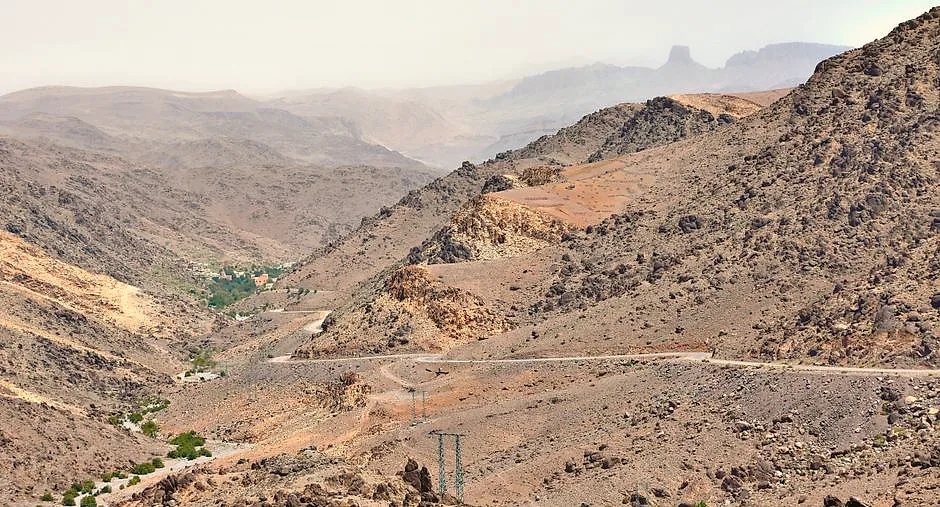
Cover photo by André Ulysses De Salis on Pexels.
Want to see how Chile stacks up?
Are you seriously considering a move? Use our interactive tools to explore Chile's climate, tax brackets, and nomad visas.
Head-to-Head Relocation Comparisons
Compare taxes, safety, and living costs of Chile against top alternatives.