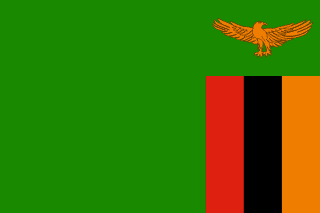
Moving to ZambiaShare
Zambia is a solid destination for global professionals, featuring a moderate tax burden of 23.4%. With a very high English proficiency score of 573, daily communication and business integration are seamless. It hosts a vibrant and diverse expat community, notably drawing a significant number of residents from Angola.
Lifestyle & Vibe
Zambia is a peaceful, politically stable Sub-Saharan African country where Lusaka offers basic 4G LTE internet coverage and a modest but present expat community, primarily composed of NGO and development sector workers rather than tech-focused digital nomads. Cost of living in Lusaka is low to moderate by African capital standards, but coworking infrastructure is minimal and power outages remain a reliability challenge. There is no digital nomad visa program, and remote work productivity depends heavily on investing in local SIM data and backup power solutions. Zambia is an interesting option for long-stay adventurous travelers but not a practical mainstream nomad base.
Digital Freedom & Remote Work
Censorship and network interference data is currently being collected for Zambia.
Society & Demographics
Zambia displays a balanced demographic with slightly more females (50.5%) than males (49.5%). The country has seen an urbanization rate of 45.47%, indicating significant growth in city populations. With a GINI index of 51.5, Zambia faces moderate income inequality, and its education spending as a percentage of GDP stands at 14.51%. Despite these challenges, internet penetration is growing with 17.1% of the population using the internet, which aligns with an improving but still developing English proficiency score of 573. The political representation of women remains low, with only 14.97% holding seats in parliament, and a small elderly population at just 1.95%. Net migration stands at 6,562 over five years, reflecting some movement within the country.
Gender Distribution
Aging Society
Population over 65 years old
Education Spending
UNESCO Data. Indicates focus on public schooling.
Quality of Life
Zambia presents a picture of mixed quality of life indicators. With a life expectancy of 60.97 years and an average working week of 42.4 hours, it faces ongoing challenges related to healthcare availability and employment conditions. The Universal Health Coverage Index stands at 62.00, indicating moderate access to medical services, though the ratio of one doctor per 10,000 people (1.63) suggests a need for improved health infrastructure. Air quality, measured by PM2.5 levels of 24.31 µg/m³, is generally good but does not fully address broader environmental and social factors affecting well-being.
Economic Freedom & Business Climate
The Zambian economy grapples with mixed signals, reflected in a moderate overall Economic Freedom Score of 51.9000, indicating room for improvement. With an inflation rate of 14.9900% and unemployment at 5.9200%, the country faces challenges in stabilizing prices and creating more job opportunities. Financial freedom is particularly constrained with scores of 40.0000 in both financial and investment freedoms, suggesting limited access to financial services and constraints on business investments.
Evaluated across 12 quantitative factors. Scores span 0-100, where higher scores indicate greater economic liberty, lighter tax burdens, and stronger property rights.
Climate Profile (Lusaka)
In southern Africa, Zambia has a tropical savanna climate that's warm and inviting year-round, with temperatures rarely dropping below 15°C even at night. The peak season for warmth and rain is from September to November, making this period particularly lush and vibrant - a perfect time for those looking to explore the country’s natural wonders. For a more comfortable relocation or visit, however, the drier months of May through August offer mild temperatures and minimal rainfall, ensuring that expats and digital nomads can enjoy pleasant days and cooler nights without the hassle of heavy showers.
Political Stability & Governance
Evaluated across Worldwide Governance Indicators (WGI). Scores span approximately -2.5 to 2.5, where higher scores indicate stronger governance, better stability, and lower corruption.
Relocation Guides & Articles
We're currently working on an in-depth expat guide for Zambia.
Browse all 98 expat guidesExplore Similar Destinations
Frequently Asked Questions
What is the tax burden in Zambia?
The tax burden in Zambia is approximately 23.4%, according to World Bank data.
Is Zambia safe?
The homicide rate in Zambia is 5.2 per 100,000 people (World Bank).
Are people happy in Zambia?
The World Happiness Report scores Zambia at 4.1 out of 10.