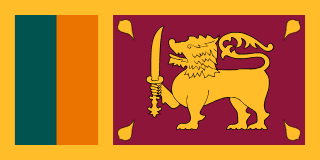
Moving to Sri LankaShare
Relocating to Sri Lanka is highly attractive for expats looking for tax optimization, offering a very competitive tax burden of 11.1%. With a very high English proficiency score of 486, daily communication and business integration are seamless. It hosts a vibrant and diverse expat community, notably drawing a significant number of residents from India.
Lifestyle & Vibe
Sri Lanka is currently one of the most affordable remote work destinations globally - Flamingo App ranked it the cheapest country for digital nomads, with monthly living costs under $500 excluding rent for solo workers living locally. The country has largely stabilized economically after its 2022 financial crisis, though power outages and currency volatility remain occasional friction points. Internet quality has improved in Colombo and coastal hubs like Weligama and Galle, which host a growing surf-and-work expat scene. It's a high-value, low-cost base for budget-conscious digital nomads who can tolerate some infrastructure inconsistency.
Digital Freedom & Remote Work
Censorship and network interference data is currently being collected for Sri Lanka.
Society & Demographics
Sri Lanka's demographic landscape is marked by a slight female majority with 51.62% of the population being women, and an urbanization rate of only 20.3%, indicating a predominantly rural society. The country invests 7.22% of its GDP in education, highlighting a value placed on human capital development. However, despite this investment, Sri Lanka’s EF English Proficiency Score stands at 486, suggesting areas for improvement in language proficiency. Economic inequality is also notable, with a GINI index of 37.7, reflecting moderate income disparity.
Gender Distribution
Aging Society
Population over 65 years old
Education Spending
UNESCO Data. Indicates focus on public schooling.
Quality of Life
In Sri Lanka, the quality of life is reflected by a life expectancy of 77.23 years, indicating a generally healthy population. Despite this, health challenges persist with an obesity rate of 11.22%, although universal health coverage is relatively strong at 72 on the index. The healthcare system serves well with 11.36 medical doctors per 10,000 people and maintains good air quality with PM2.5 levels at 19.96 µg/m³. However, working hours are lengthy at an average of 43.6 hours per week, which could potentially impact overall well-being. Safety is relatively high, with only 3.31 homicides per 100,000 people, contributing to a generally secure environment.
Economic Freedom & Business Climate
The current economic landscape of Sri Lanka is characterized by a GDP per capita that remains indeterminate, suggesting a need for more recent or detailed data. With an inflation rate of -0.4300%, the country faces deflationary pressures, which could impact consumer spending and business investment. The overall Economic Freedom Score at 50.3000 indicates a mixed economy with significant room for improvement in areas like property rights (47.3000) and judicial effectiveness (47.2000). High government spending at 89.0000, coupled with a fiscal health score of 0.0000, suggests a challenging financial situation, which could further complicate the business climate despite relatively higher scores in trade freedom and monetary freedom.
Evaluated across 12 quantitative factors. Scores span 0-100, where higher scores indicate greater economic liberty, lighter tax burdens, and stronger property rights.
Climate Profile (Sri Jayawardenepura Kotte)
Sri Lanka's tropical monsoon climate is characterized by warm temperatures and high humidity levels throughout the year, with average maximum temperatures ranging from 28 to 31 degrees Celsius. The hottest period is from February to April, with March being the rainiest month, while the south-west monsoon brings heavy rainfall from May to September, making the months of December to February the best season to relocate or visit for comfortable weather. For expats and digital nomads seeking a pleasant climate, the dry season from December to April is highly recommended, offering a tranquil and sunny atmosphere, perfect for exploring the island's stunning landscapes and vibrant culture.
Political Stability & Governance
Evaluated across Worldwide Governance Indicators (WGI). Scores span approximately -2.5 to 2.5, where higher scores indicate stronger governance, better stability, and lower corruption.
Relocation Guides & Articles
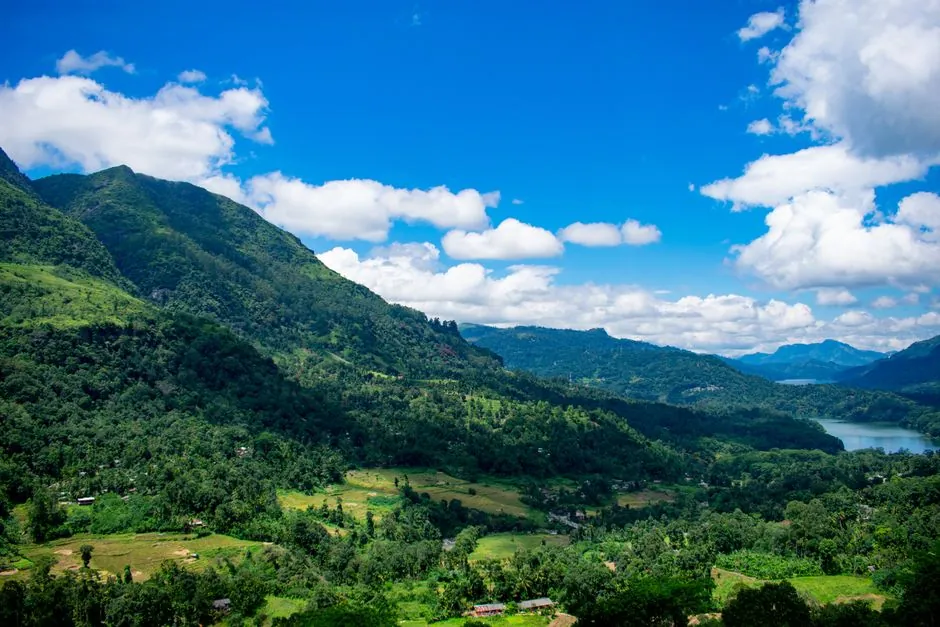
Explore Similar Destinations
Frequently Asked Questions
What is the tax burden in Sri Lanka?
The tax burden in Sri Lanka is approximately 11.1%, according to World Bank data.
Is Sri Lanka safe?
The homicide rate in Sri Lanka is 3.3 per 100,000 people (World Bank).
Are people happy in Sri Lanka?
The World Happiness Report scores Sri Lanka at 4.0 out of 10.