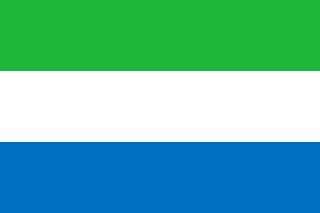
Moving to Sierra LeoneShare
It hosts a vibrant and diverse expat community, notably drawing a significant number of residents from Guinea.
Lifestyle & Vibe
Sierra Leone remains one of the world's least developed countries by most metrics, with poor infrastructure, unreliable electricity, very limited internet coverage outside Freetown, and significant public health challenges. Freetown has a small but historically rooted expat community tied to NGOs and development organizations, but it offers almost nothing for independent remote workers in terms of coworking infrastructure or reliable connectivity. Security has improved significantly since the end of the civil war, but petty crime, poor road infrastructure, and very limited services outside the capital make daily efficiency extremely difficult. Sierra Leone is not a viable base for digital nomads at this stage of its development.
Digital Freedom & Remote Work
Censorship and network interference data is currently being collected for Sierra Leone.
Society & Demographics
Sociologically, Sierra Leone exhibits a balanced gender ratio with 49.87% males and 50.13% females, though women have less representation in the political sphere, making up only 29.53% of parliamentarians. The country experiences moderate economic inequality as indicated by its GINI index at 35.70, while education receives significant investment as a share of GDP, standing at 20.55%. Demographically, Sierra Leone shows signs of urbanization with 45.36% of the population residing in cities and a young median age with only 3.24% over 65 years old, reflecting potential economic dynamism but also challenges related to youth unemployment. Despite this, internet penetration is relatively low at 25.10%, suggesting digital inclusion remains a key socio-economic frontier for development.
Gender Distribution
Aging Society
Population over 65 years old
Education Spending
UNESCO Data. Indicates focus on public schooling.
Quality of Life
In Sierra Leone, the quality of life is significantly challenged by a life expectancy of 61.02 years, which reflects broader health issues. The nation faces healthcare shortages with only 1.34 medical doctors per 10,000 people and a Universal Health Coverage Index of 48.00, indicating limited access to quality care. While the air quality index at 43.22 µg/m³ is relatively better compared to some heavily polluted areas, other factors such as an obesity rate of 8.19% and a Happiness Score of just 3.25 out of 10 contribute to overall lower well-being. Despite working 41.15 hours per week, the safety environment is relatively stable with only 2.22 homicides per 100,000 people.
Economic Freedom & Business Climate
The economic landscape of Sierra Leone is characterized by challenges and opportunities. With an inflation rate of 28.6300%, high unemployment at 3.1500% (though this may be understated), and a modest overall Economic Freedom Score of 49.6000, the country faces significant hurdles in fostering sustainable growth. Low scores in areas such as property rights (32.9000), judicial effectiveness (42.0000), government integrity (35.8000), and financial freedom (20.0000) underscore the need for improvements in governance and business environment to enhance investment and financial stability.
Evaluated across 12 quantitative factors. Scores span 0-100, where higher scores indicate greater economic liberty, lighter tax burdens, and stronger property rights.
Climate Profile (Freetown)
Sierra Leone has a tropical climate, characterized by warm temperatures and high humidity levels throughout the year, with average maximum temperatures ranging from 26 to 30 degrees Celsius. The country experiences its hottest period from January to April, while the rainiest months are from May to October, with July and August being the wettest, making the dry season from November to April the most ideal time to relocate or visit for comfortable weather. For expats and digital nomads seeking a balmy retreat, the best season to visit Sierra Leone is from December to March, when the temperatures are warm but not scorching, and the rainfall is relatively low, making it perfect for exploring the country's stunning beaches, lush forests, and vibrant culture.
Political Stability & Governance
Evaluated across Worldwide Governance Indicators (WGI). Scores span approximately -2.5 to 2.5, where higher scores indicate stronger governance, better stability, and lower corruption.
Relocation Guides & Articles
We're currently working on an in-depth expat guide for Sierra Leone.
Browse all 98 expat guidesExplore Similar Destinations
Frequently Asked Questions
Is Sierra Leone safe?
The homicide rate in Sierra Leone is 2.2 per 100,000 people (World Bank).
Are people happy in Sierra Leone?
The World Happiness Report scores Sierra Leone at 3.3 out of 10.