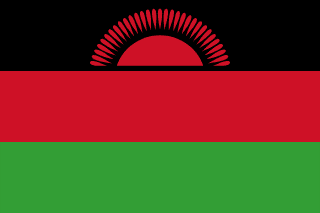
Moving to MalawiShare
Malawi is a solid destination for global professionals, featuring a moderate tax burden of 15.9%. With a very high English proficiency score of 465, daily communication and business integration are seamless. It hosts a vibrant and diverse expat community, notably drawing a significant number of residents from Mozambique.
Lifestyle & Vibe
Malawi is a landlocked sub-Saharan African nation ranked among the world's poorest, with limited electricity coverage, very slow and expensive internet, and an infrastructure baseline that makes sustained professional remote work unviable for most digital use cases. The cost of living is extremely low and English is an official language, but these advantages cannot compensate for the absence of reliable connectivity. There is no digital nomad visa, no expat remote work community, and the NGO and development sector represents the primary foreign professional presence. Malawi is not a viable relocation destination for remote workers under current infrastructure conditions.
Digital Freedom & Remote Work
Censorship and network interference data is currently being collected for Malawi.
Society & Demographics
In Malawi, the population is predominantly female at 51.2%, with urbanization standing at 17.27%. The nation faces economic challenges as indicated by its GINI Index of 38.5000, reflecting a moderate level of income inequality. Despite this, the country has made strides in education, dedicating 16% of GDP to educational spending, which is crucial for long-term development. However, Malawi also grapples with significant demographic challenges such as a net migration rate of -5628 over five years and a low percentage of internet users at 18.96%, suggesting disparities in digital connectivity.
Gender Distribution
Aging Society
Population over 65 years old
Education Spending
UNESCO Data. Indicates focus on public schooling.
Quality of Life
Malawi's quality of life presents a mixed picture, with life expectancy at 62.49 years reflecting challenges in healthcare access and general well-being. Despite an average working week of just 28 hours, which suggests a potentially balanced lifestyle, the Universal Health Coverage Index stands at 52.00, suggesting limited coverage for its population. Air quality is generally good with PM2.5 levels at 23.70 µg/m³, and the low homicide rate of 1.78 per 100k indicates relatively safe communities. However, challenges persist, such as a low number of medical doctors (0.84 per 10k people) and an obesity rate of 8%, impacting overall health and happiness scores which rank at 3.28 on a scale from 0 to 10.
Economic Freedom & Business Climate
Malawi's economy currently faces significant challenges, as indicated by its overall Economic Freedom Score of 50.7000, which places it below the global average. The country experiences high inflation at 32.1800%, and despite a relatively low unemployment rate of 5.0700%, other factors such as poor property rights (49.5000) and government integrity (35.0000) hinder economic growth. Financial freedom, measured by the scores in areas like investment and financial freedom, also remains at moderate levels, reflecting a need for improvement to foster greater business confidence and economic stability.
Evaluated across 12 quantitative factors. Scores span 0-100, where higher scores indicate greater economic liberty, lighter tax burdens, and stronger property rights.
Climate Profile (Lilongwe)
Malawi's climate is characterized by a tropical savanna, with distinct wet and dry seasons that make it an intriguing destination for expats and digital nomads. The months of October to March are the hottest and rainiest periods, with temperatures soaring above 30 degrees Celsius during the day and more than 25 rainy days in October alone, making these months less ideal for those seeking a cooler climate. Conversely, April through September offers the most comfortable weather, with lower humidity and an average of just one to two rainy days per month, making it an excellent time to relocate or visit if you prefer milder temperatures and drier skies.
Political Stability & Governance
Evaluated across Worldwide Governance Indicators (WGI). Scores span approximately -2.5 to 2.5, where higher scores indicate stronger governance, better stability, and lower corruption.
Relocation Guides & Articles
We're currently working on an in-depth expat guide for Malawi.
Browse all 98 expat guidesFrequently Asked Questions
What is the tax burden in Malawi?
The tax burden in Malawi is approximately 15.9%, according to World Bank data.
Is Malawi safe?
The homicide rate in Malawi is 1.8 per 100,000 people (World Bank).
Are people happy in Malawi?
The World Happiness Report scores Malawi at 3.3 out of 10.