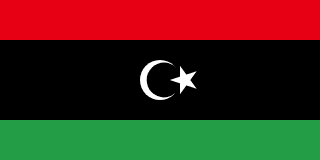
Moving to LibyaShare
With a very high English proficiency score of 395, daily communication and business integration are seamless. It hosts a vibrant and diverse expat community, notably drawing a significant number of residents from Somalia.
Lifestyle & Vibe
Libya is an active conflict zone with a fractured political situation, two rival governments, ongoing militia activity, and a near-complete absence of functioning civil institutions across much of the country. Most Western governments maintain 'Do Not Travel' advisories for Libya in their entirety. There is no viable remote work infrastructure, no digital nomad community, no nomad visa framework, and the security environment poses direct physical risk to foreign nationals. Libya is categorically not a safe or viable destination for relocation under any current conditions.
Digital Freedom & Remote Work
Censorship and network interference data is currently being collected for Libya.
Society & Demographics
In Libya, the society is predominantly male-skewed with a male population that slightly outnumbers females at 50.85%. With an impressive internet penetration rate of 81.95%, digital connectivity is widespread, fostering communication and access to information. However, despite this technological advancement, English proficiency remains moderate with a score of 395 on the EF scale. Urbanization stands at 87.89%, indicating a significant portion of the population resides in cities, while women's political representation is limited, holding only 16.47% seats in parliament.
Gender Distribution
Aging Society
Population over 65 years old
Education Spending
UNESCO Data. Indicates focus on public schooling.
Quality of Life
In Libya, the quality of life is reflected by a life expectancy of 72.18 years, though challenges persist with an obesity rate of 33.66%. The healthcare system serves a population with around 20.42 medical doctors per 10,000 people, and has a Universal Health Coverage Index of 71, indicating moderate access to health services. However, the happiness score of 5.73 out of 10 suggests room for improvement in overall well-being, despite reasonable healthcare availability.
Economic Freedom & Business Climate
The Libyan economy faces significant challenges despite a modest inflation rate of 2.13%, with an unemployment rate hovering at 18.76%. Economic freedoms are constrained, as evidenced by an overall Economic Freedom Score of 35.90 out of 100, indicating limited business and financial freedom. Property rights and judicial effectiveness are particularly weak, rated at 6.30 and 4.90 respectively, which hampers investor confidence. Despite these issues, the monetary environment appears relatively stable with a high Monetary Freedom score of 75.20, suggesting room for improvement in other areas to enhance economic stability and growth.
Evaluated across 12 quantitative factors. Scores span 0-100, where higher scores indicate greater economic liberty, lighter tax burdens, and stronger property rights.
Climate Profile (Tripoli)
Libya's climate is characterized as a scorching hot desert climate, with blistering summers and mild winters, where the mercury soars to its peak during June, July, and August, while the rainiest periods occur in December and January, with an average of 14 rainy days. The country's hottest period, which spans from June to August, is marked by sweltering temperatures often reaching 32 degrees Celsius, making it an unfavorable time to relocate or visit, whereas the rainiest months, December and January, are also best avoided due to the increased rainfall. For a comfortable and pleasant experience, expats and digital nomads are advised to visit or relocate to Libya during the spring season, from March to May, when the temperatures are mild and rainfall is scarce, making it an ideal time to explore the country's ancient ruins, pristine beaches, and vibrant culture.
Political Stability & Governance
Evaluated across Worldwide Governance Indicators (WGI). Scores span approximately -2.5 to 2.5, where higher scores indicate stronger governance, better stability, and lower corruption.
Relocation Guides & Articles
We're currently working on an in-depth expat guide for Libya.
Browse all 98 expat guidesFrequently Asked Questions
Are people happy in Libya?
The World Happiness Report scores Libya at 5.7 out of 10.