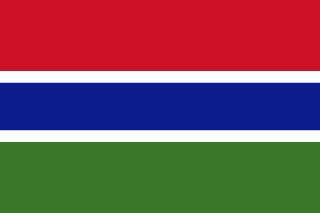
Moving to GambiaShare
It hosts a vibrant and diverse expat community, notably drawing a significant number of residents from Senegal.
Lifestyle & Vibe
Gambia is one of West Africa's smaller and relatively more stable nations, and has seen a modest uptick in interest from budget-conscious remote workers drawn by extremely low cost of living, English as the official language, and a friendly, accessible local culture. Internet infrastructure in the Greater Banjul area is functional but not fast, with frequent load shedding affecting power reliability; co-working spaces are minimal and the digital nomad community is tiny. The healthcare system is underdeveloped and serious medical issues require evacuation to Senegal or Europe, which is a real risk factor. For remote workers with minimal bandwidth needs, high risk tolerance, and a genuine interest in West Africa, Gambia is one of the more accessible entry points - but it remains a frontier destination, not a mainstream nomad hub.
Digital Freedom & Remote Work
Censorship and network interference data is currently being collected for Gambia.
Society & Demographics
In Gambia, the population is nearly evenly split between males (49.79%) and females (50.21%), with a slight edge to women. The country demonstrates moderate internet penetration at 49.49%, reflecting a growing digital literacy but leaving significant room for expansion. Urbanization stands at 64.30%, indicating a modest shift towards city living, while the GINI index of 38.80 suggests an intermediate level of income inequality. Notably, women's representation in parliament is only 8.62%, highlighting areas for improvement in gender equality.
Gender Distribution
Aging Society
Population over 65 years old
Education Spending
UNESCO Data. Indicates focus on public schooling.
Quality of Life
Gambia faces a complex landscape of living standards with a life expectancy of 64.21 years, indicating significant health challenges. The country has just 0.9 medical doctors per 10,000 people and a Universal Health Coverage Index of 53, suggesting limited access to healthcare services. Additionally, the obesity rate stands at 12.39%, while air quality measured by PM2.5 levels is concerning at 58.36 µg/m³. These factors contribute to a Happiness Score of 4.306 on a scale from 0-10, reflecting challenges in overall well-being and quality of life.
Economic Freedom & Business Climate
The economy of Gambia faces challenges with an inflation rate of 11.5600% and an overall Economic Freedom Score of 56.3000, ranking it in the lower-middle category for economic freedom. Unemployment stands at 6.5200%, indicating a relatively stable job market despite underlying issues. While specific data on property rights, judicial effectiveness, government integrity, tax burden, and other critical factors are not available, these gaps suggest areas where improvement could enhance financial stability and business climate.
Evaluated across 12 quantitative factors. Scores span 0-100, where higher scores indicate greater economic liberty, lighter tax burdens, and stronger property rights.
Climate Profile (Banjul)
Gambia has a tropical savanna climate, characterized by warm temperatures and distinct wet and dry seasons, with the mercury often soaring to scorching highs during the months of February and November, while the rainiest periods occur from July to September, with August being the wettest month. The country's climate is marked by a dry spell from December to June, with negligible rainfall, making it an ideal time for expats and digital nomads to relocate or visit, as they can enjoy the warm sunshine and pleasant temperatures without the intense heat or torrential rains. For a truly comfortable experience, the best season to visit or relocate to Gambia is from December to May, when the temperatures are warm but not sweltering, and the skies are generally clear, making it perfect for outdoor activities and exploration.
Political Stability & Governance
Evaluated across Worldwide Governance Indicators (WGI). Scores span approximately -2.5 to 2.5, where higher scores indicate stronger governance, better stability, and lower corruption.
Relocation Guides & Articles

Frequently Asked Questions
Are people happy in Gambia?
The World Happiness Report scores Gambia at 4.3 out of 10.