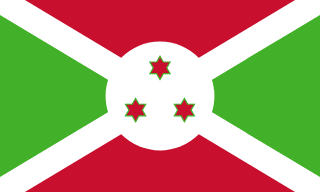
Moving to BurundiShare
Relocating to Burundi is highly attractive for expats looking for tax optimization, offering a very competitive tax burden of 14.2%. It hosts a vibrant and diverse expat community, notably drawing a significant number of residents from Rwanda.
Lifestyle & Vibe
Burundi is one of the world's poorest and most fragile states, with persistent political violence, restricted civil liberties, and a government that aggressively surveils and suppresses opposition and foreign nationals. Internet infrastructure is extremely limited, the cost of living is technically ultra-low but access to basic services is inconsistent, and there is no digital nomad framework of any kind. Most Western governments advise against all but essential travel to Burundi. It is not a viable, safe, or practical destination for remote workers.
Digital Freedom & Remote Work
Censorship and network interference data is currently being collected for Burundi.
Society & Demographics
Burundi's demographics reflect a balanced gender ratio with males comprising 49.68% of the population and females making up 50.32%. The country exhibits moderate inequality as indicated by its GINI Index at 37.50, and a significant portion of women participate in political leadership, with 38.2114% holding seats in parliament. Despite these socio-political signs, Burundi faces challenges such as low internet penetration (8.60%), high net migration rates (-34,727 over five years), and only 24.83% urbanization, which may impact overall development. The government allocates a substantial portion of its GDP to education, with spending at 10.29%, aiming for better future outcomes.
Gender Distribution
Aging Society
Population over 65 years old
Education Spending
UNESCO Data. Indicates focus on public schooling.
Quality of Life
In Burundi, the quality of life is generally challenged by several key factors: with a life expectancy of 64.01 years, it ranks among countries with lower global standards. The healthcare system faces significant hurdles as indicated by just 0.83 medical doctors per 10,000 people and an Universal Health Coverage Index of 48.00, suggesting limited access to health services. However, air quality is relatively better with PM2.5 levels at 29.65 µg/m³, and the working week is standard at 40.27 hours, contributing positively to daily life despite a happiness score of only 3.775 out of 10. Safety concerns are also present, with an annual homicide rate of 5.65 per 100,000 people.
Economic Freedom & Business Climate
In Burundi, the economic landscape is characterized by a challenging business environment with low overall economic freedom scoring at 40.2000. The country faces significant fiscal issues, including high government spending (76.3000) and a weak fiscal health score of only 14.6000. Despite having moderate labor freedom (49.9000), the financial sector remains constrained with a Financial Freedom score of merely 30.0000, reflecting limitations on investment and trade freedoms.
Evaluated across 12 quantitative factors. Scores span 0-100, where higher scores indicate greater economic liberty, lighter tax burdens, and stronger property rights.
Climate Profile (Gitega)
Located in East Africa, Burundi has a generally warm and humid climate typified by its tropical highland settings, making it an all-year destination for expats and digital nomads who prefer mild weather. The hottest period occurs between September and December, with temperatures spiking to 26°C at night and climbing into the mid-30s during the day, while the rains are heaviest in April, packing up to 25 rainy days. For those seeking the most comfortable climate, the shoulder seasons of May and June provide a balmy respite from both heat and rain, making it an ideal time for relocation or a visit when the weather is at its most pleasant.
Political Stability & Governance
Evaluated across Worldwide Governance Indicators (WGI). Scores span approximately -2.5 to 2.5, where higher scores indicate stronger governance, better stability, and lower corruption.
Relocation Guides & Articles
We're currently working on an in-depth expat guide for Burundi.
Browse all 98 expat guidesExplore Similar Destinations
Frequently Asked Questions
What is the tax burden in Burundi?
The tax burden in Burundi is approximately 14.2%, according to World Bank data.
Is Burundi safe?
The homicide rate in Burundi is 5.7 per 100,000 people (World Bank).
Are people happy in Burundi?
The World Happiness Report scores Burundi at 3.8 out of 10.