Moving to Bosnia and HerzegovinaShare
While living in Bosnia and Herzegovina comes with a higher tax burden of 37.6%, expats often benefit from its robust social infrastructure and high quality of life. With a very high English proficiency score of 591, daily communication and business integration are seamless. It hosts a vibrant and diverse expat community, notably drawing a significant number of residents from Croatia.
Lifestyle & Vibe
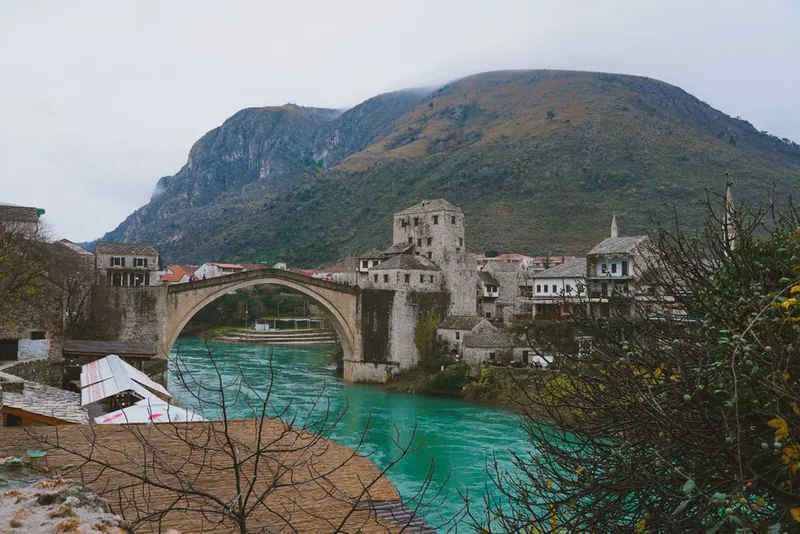
Bosnia and Herzegovina - specifically Sarajevo and Mostar - has been quietly building a reputation among budget-conscious European remote workers due to extremely low cost of living (€500-€900/month comfortably), improving fiber internet in the capital, and visa-free access for most Western passport holders for up to 90 days. There is no formal digital nomad visa, though the country is not part of the Schengen zone, meaning 90-day stays don't consume your EU Schengen allowance - a significant strategic advantage. The expat social scene is growing but still small, bureaucracy for longer residency permits is complex, and the country's EU candidate status means infrastructure and institutional quality are gradually improving. Sarajevo offers a dense, walkable city experience with a unique cultural backdrop at a price point significantly lower than any EU capital.
Digital Freedom & Remote Work
Censorship and network interference data is currently being collected for Bosnia and Herzegovina.
Society & Demographics
Bosnia and Herzegovina presents a diverse demographic landscape with 52.41% of the population being female and 47.59% male, reflecting a slight gender imbalance. With an internet penetration rate of 86.10%, indicating high digital connectivity, coupled with an English proficiency score of 591, highlighting moderate language skills among the populace, this society is increasingly integrated into global networks. The Gini index of 30.30 suggests a relatively equitable distribution of income, but the low percentage of women in parliament at 19.0476% and the high population over 65 years old (22.23%) highlight social challenges related to aging and gender inequality.
Gender Distribution
Aging Society
Population over 65 years old
Education Spending
UNESCO Data. Indicates focus on public schooling.
Quality of Life
Bosnia and Herzegovina presents a nuanced picture of quality of life. With a life expectancy of 74.85 years, it indicates a generally healthy population. The availability of medical resources is robust, with 25.84 medical doctors per 10,000 people, yet the universal health coverage index stands at 64.00, suggesting there's room for improvement in healthcare access and quality. While the obesity rate of 20.97% remains moderate, other factors like a happiness score of 6.38 (on a scale from 0 to 10) and an average workweek of 40.59 hours contribute to a mixed well-being picture. Air quality is relatively good with PM2.5 levels at 26.60 µg/m³, and the low homicide rate of 1.22 per 100,000 people indicates a safe environment.
Economic Freedom & Business Climate
The economy of Bosnia and Herzegovina operates within a framework that scores moderately on overall economic freedom, with an Economic Freedom Score of 63.1000. The country faces challenges such as high inflation at 1.6900%, unemployment standing at 11.0400%, and significant tax burdens represented by a Tax Burden score of 93.9000, which could stifle business growth. Despite these issues, the nation shows resilience in areas like fiscal health, with a Fiscal Health score of 96.2000, indicating prudent financial management. Additionally, businesses can find some freedoms in various domains including trade and investment but may face constraints related to property rights and judicial effectiveness.
Evaluated across 12 quantitative factors. Scores span 0-100, where higher scores indicate greater economic liberty, lighter tax burdens, and stronger property rights.
Climate Profile (Sarajevo)
Bosnia and Herzegovina has a temperate climate with four distinct seasons, characterized by warm summers and chilly winters, offering a unique experience for expats and digital nomads. The country's hottest period typically occurs in July and August, with average maximum temperatures soaring to 26 degrees Celsius, while the rainiest months are May and June, with 17 and 13 rainy days respectively, making spring and autumn the best seasons to relocate or visit for comfortable weather. For those seeking a pleasant climate, the period from September to October is highly recommended, with mild temperatures ranging from 11 to 21 degrees Celsius and fewer rainy days, making it an ideal time to explore the country's stunning landscapes and vibrant culture.
Political Stability & Governance
Evaluated across Worldwide Governance Indicators (WGI). Scores span approximately -2.5 to 2.5, where higher scores indicate stronger governance, better stability, and lower corruption.
Relocation Guides & Articles
Frequently Asked Questions
What is the tax burden in Bosnia and Herzegovina?
The tax burden in Bosnia and Herzegovina is approximately 37.6%, according to World Bank data.
Is Bosnia and Herzegovina safe?
The homicide rate in Bosnia and Herzegovina is 1.2 per 100,000 people (World Bank).
Are people happy in Bosnia and Herzegovina?
The World Happiness Report scores Bosnia and Herzegovina at 6.4 out of 10.
Head-to-Head Relocation Comparisons
Compare taxes, safety, and living costs of Bosnia and Herzegovina against top alternatives.