Anguilla Digital Nomad Visa 2026: Requirements, Costs, Process, and What Nobody Tells You
July 17, 2026
ShareAnguilla has positioned itself as the premium choice for remote workers in the Caribbean. Unlike neighboring islands that compete on volume, Anguilla’s digital nomad visa-officially known as the "Work from Anguilla" certificate-operates as a high-tier residency product. The most striking differentiator is its financial structure: while there is no official minimum income threshold, the individual application fee is a steep $2,000 USD.
This pricing strategy marks a deliberate shift from the temporary pandemic-era policies to a permanent, luxury-tier offering in 2026. By setting a high entry barrier, the government effectively filters for high-net-worth individuals and successful professionals who can support themselves within the island’s premium-priced economy. While a standard tourist visa restricts the legality of remote work and limits stays to 90 days, this long-stay certificate provides a legal framework for a full 12 months of life on the island. As a relocation consultant, I view this fee not merely as a cost, but as a "filter" that ensures the nomadic population contributes significantly to the local economy upfront. For the professional, it offers secure legal status in a territory known for its "cool without trying" atmosphere and world-class culinary scene.
1. What Is Anguilla's Digital Nomad Visa?
The program, marketed under the official name "Lose The Crowd, Find Yourself. Work. Life. Bliss.", is a specialized residency permit. It is administered by the Anguilla Tourist Board in close coordination with the Department of Immigration. It is specifically designed to allow foreign nationals to reside on the island while maintaining their professional obligations elsewhere.
As a British Overseas Territory, Anguilla maintains its own immigration laws but reflects British legal influence. This status is critical for visa-required nationals; if your passport requires a visa to enter the UK or Anguilla, you must obtain a separate entry visa before your nomad certificate can be finalized. This permit qualifies three specific profiles:
- Remote Workers: Individuals employed by companies registered outside the territory.
- Self-Employed/Freelancers: Those with a client base predominantly outside the island.
- Remote Students: Individuals enrolled in foreign educational institutions.
Note that this certificate is a residency permit for a duration of 12 months. It does not lead to permanent residency, "Belonger" status, or citizenship. It is designed for long-stay tourism and remote professional activity rather than a path to local integration.
2. Eligibility Requirements
Meeting these criteria is only half the battle; the Department of Immigration requires a specific dossier of evidence to green-light your stay. The following table outlines the hard requirements.
Criterion Requirement Source Income No official minimum; realistic budget €3,500-€6,500 for families Worldly Tribe Health Insurance Must include medical evacuation coverage Nomads.insure Criminal Record Required for all applicants 18+ years old eVisa Anguilla Work Type Proof of employment or business incorporation outside Anguilla Tourist Board Passport Must be valid beyond the intended date of departure Travel Munchers
While the lack of an income floor seems accessible, the Department of Immigration requires proof of employment or business incorporation. For content creators, crypto traders, or consultants, this means providing active contracts or incorporation papers to prove the legitimacy of your foreign income. If you are from a country that requires an entry visa for Anguilla, you must secure that visa through the British Embassy or the official eVisa portal first. The nomad certificate is the "right to stay and work," but the entry visa is the "right to arrive."
3. Required Documents
To ensure a successful application, all documents must be clear and, if not in English, accompanied by certified translations.
- Passport Bio Page: This must be valid beyond the intended date of departure from the island. 2. Birth Certificate: A copy is required for every applicant; this also serves as proof of relationship for families. 3. Police Record: Must be valid for at least 6 months and is required for all applicants aged 18 years and older. 4. Proof of Employment: This includes work contracts, letters from employers, or Business Incorporation papers for the self-employed. 5. Accommodation Booking: You must provide proof of local lodging. If staying in a private home, the host must be an Anguillian Status Holder or a legal resident.
The requirement for an Anguillian Status Holder or legal resident as a host for private rentals is strictly enforced. My advice to clients is to ensure your landlord provides the necessary proof of status to avoid processing delays that can derail your arrival timeline.
4. Application Process: Step by Step
The application is handled through a "concierge" style system, which provides more personal oversight than typical automated visa systems.
- Step 1: Gather all requirements, ensuring police records are recent (within 6 months).
- Step 2: Submit your application online via the official portal at escape.ivisitanguilla.com.
- Step 3: A concierge from the Tourist Board will contact you via email for document verification and specific payment instructions.
- Step 4: Pay the application fee (2,000** for individuals or **3,000 for families) via the emailed link. You must also account for the $20 non-refundable processing fee per application.
- Step 5: Receive your official Electronic Travel Authorization Certificate via email.
- Step 6: Upon arrival, present your authorization at the port of entry to have your 12-month certificate finalized.
While the official processing time is often quoted at 7-14 days, relocation reality suggests allowing 15-20 business days for the eVisa team to clear high-demand periods. You cannot "convert" a standard tourist entry into a nomad certificate once you are in Anguilla; the authorization must be issued before you land if you intend to work legally.
5. Costs: Complete Fee Breakdown
The financial commitment for Anguilla is significant compared to other regional options. Beyond the high entry fees, the cost of living is segmented by neighborhood.
Item Cost (USD) Cost (EUR/Approx) Individual Fee $2,000 ~€1,850 Family Fee (Up to 4) $3,000 ~€2,775 Additional Dependent $250 ~€230 Processing Fee $20 ~€18 Entry Visa (Single) $140 ~€130
Relocation Reality: Neighborhood Pricing A critical "hidden" cost is the variation in rent. In The Valley, Anguilla's capital, apartments range from €1,100 to €2,200 per month. Mid-tier areas like Sandy Ground or Shoal Bay typically command €1,500 to €3,500. For those seeking the luxury belt of Meads Bay, expect to pay between €2,500 and €6,000 per month.
Additionally, all guest accommodations are subject to a 12% Accommodation Tax. Infrastructure costs are another frequent surprise. Due to a total dependency on fuel imports, electricity is exceptionally expensive. Most nomads should budget an additional 300-500 per month for utilities, especially if using air conditioning to combat the tropical humidity.
6. Tax Implications
While the upfront fees and utility costs are high, Anguilla’s aggressive tax neutrality offers a significant "back-end" financial reward for high earners. The territory has zero personal income tax, zero capital gains tax, and zero inheritance tax.
However, there are critical thresholds to monitor:
- The 183-Day Rule: While foreign income is not taxed locally, staying beyond 183 days in a calendar year may trigger tax residency status. While this doesn't create a new income tax bill in Anguilla, it can be used strategically for international tax planning.
- Accommodation Tax: You will pay a 12% Government tax on your rental, which is legally mandated for all "guest accommodations" including villas and apartments.
For US citizens, the lack of local tax does not mean a lack of tax altogether. You are still required to file with the IRS regardless of your residency in Anguilla.
7. What This Visa Does NOT Give You
As a consultant, I must emphasize that this certificate is not a "magic pass" to local integration. It carries heavy restrictions:
- Local Employment: You are strictly prohibited from working for any Anguillian company.
- Path to Residency: Time spent on this certificate does not count toward "Belonger" status or permanent residency.
- Public Healthcare: There is no access to state-funded healthcare. Private insurance with medical evacuation is a mandatory prerequisite.
- The School Commute: While Omololu International School serves younger children, high school students typically undergo a 25-minute sea commute by boat to St. Maarten to attend CIA International School.
- Coworking Spaces: There are zero dedicated coworking spaces on the island. Your rental is your office, making a high-quality home setup essential.
- Car Dependency: There is no public transport system. Taxis are prohibitively expensive for daily use, meaning a car rental or purchase is essentially mandatory for any nomad family.
8. Digital Nomad Visa vs. Alternatives
The "Work from Anguilla" certificate is the "middle ground" for those testing the waters for a year.
Feature Nomad Visa Tourist Visa Residency by Investment Duration 12 Months 90 Days Permanent Remote Work Legal Illegal Legal Income Req. None (Verified Work) None High Investment Cost $2,000 140-250 Very High
Quick Reference Cheat Sheet
Program Name Portal Link Individual Fee Family Fee Income Req Duration Tax Trigger PR Path Work from Anguilla escape.ivisitanguilla.com $2,000 $3,000 None 12 Mo 183 Days No
References
- Government of Anguilla, Inland Revenue Department: "Accommodation Tax Brochure 2019." 2. Anguilla Tourist Board: "Lose The Crowd, Find Yourself. Work. Life. Bliss. Official Guidelines." 3. EVisa Anguilla Portal: "Visa Requirements and Application Fees 2026." 4. Government of Anguilla: "Visas & Travel Official Entry Clearance." 5. Travel Munchers: "Anguilla Digital Nomad Visa: A Comprehensive Guide 2024." 6. Worldly Tribe: "Anguilla for Digital Nomad Families: Costs and Neighborhoods." 7. Wfa.team: "Digital Nomad Visa Anguilla: Tax and Compliance Rules." 8. Nomads.insure: "Health Insurance Requirements for Digital Nomad Visas." 9. NanoGlobals: "Digital Nomad Visas: Full International Index 2026." 10. Department of Immigration, Anguilla: "Entry Requirements for British Overseas Territories." 11. Omololu International School: "Enrollment Procedures for Non-Resident Students." 12. Government of Anguilla: "List of Countries Requiring Entry Visas." 13. EVisa Anguilla: "$20.00 Application Processing Fee and Processing Delays Advisory." 14. Anguilla Tourist Board: "List of Certified Realtors for Nomad Accommodations." 15. Government of Anguilla: "Scholarship and Education Regulations 2026." 16. CIA International School: "Secondary Education for Anguilla Residents."
Frequently Asked Questions
What is the minimum income requirement for the Anguilla Digital Nomad Visa? For content creators, crypto traders, or consultants, this means providing active contracts or incorporation papers to prove the legitimacy of your foreign income.
How long is the Anguilla Digital Nomad Visa valid and can it be extended? Note that this certificate is a residency permit for a duration of 12 months.
Do digital nomads pay local income tax in Anguilla? However, there are critical thresholds to monitor: The 183-Day Rule: While foreign income is not taxed locally, staying beyond 183 days in a calendar year may trigger tax residency status.
Does the Anguilla Digital Nomad Visa lead to permanent residency or citizenship? Path to Residency: Time spent on this certificate does not count toward "Belonger" status or permanent residency.
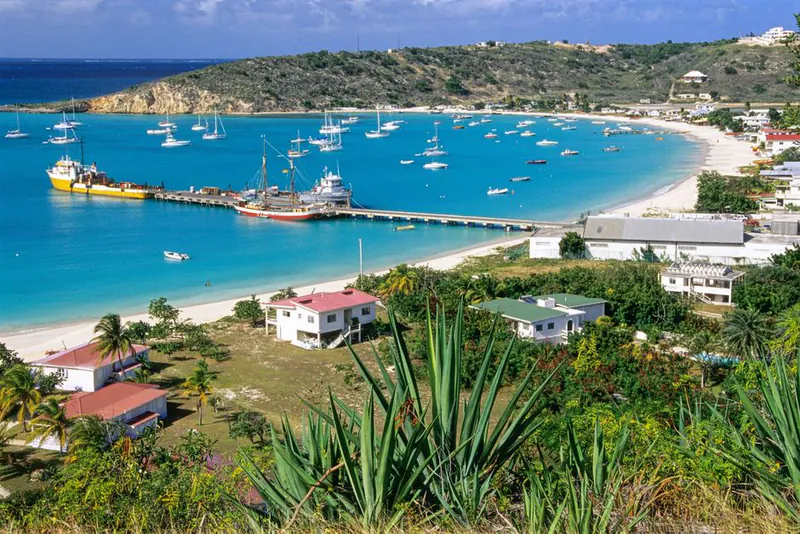
Cover photo by Juergen Striewski on Pexels.
Want to see how Anguilla stacks up?
Are you seriously considering a move? Use our interactive tools to explore Anguilla's climate, tax brackets, and nomad visas.
Looking for other options?
See how this visa compares against 55 other countries.
📊 Compare all 56 digital nomad visas