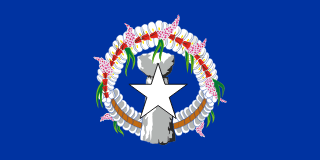
Moving to Northern Mariana IslandsShare
It hosts a vibrant and diverse expat community, notably drawing a significant number of residents from Philippines.
Lifestyle & Vibe
The Northern Mariana Islands (CNMI) are a US commonwealth in the Pacific, which means US citizens can live and work there without a visa, but the territory offers very limited remote work infrastructure outside of Saipan. Internet is functional but not exceptional, the cost of living is moderate-to-high due to import dependency, and the digital nomad community is essentially nonexistent. The main draw for American remote workers is the US jurisdiction combined with a Pacific island setting, but most will find Guam or Southeast Asian hubs far more practical. Tourism infrastructure exists but coworking culture does not.
Digital Freedom & Remote Work
Censorship and network interference data is currently being collected for Northern Mariana Islands.
Society & Demographics
The Northern Mariana Islands exhibit a predominantly male population, with 52.8% of the inhabitants being males and 47.2% females, reflecting a gender imbalance that is not uncommon in many small island nations. The high urbanization rate at 92.07%, coupled with net migration data showing a decrease of -963 over five years, suggests significant movement towards city centers or possibly emigration from the islands. Despite these demographic indicators, key socio-economic data such as internet usage, English proficiency scores, and education spending as a percentage of GDP remain unavailable, highlighting gaps in comprehensive social development metrics.
Gender Distribution
Aging Society
Population over 65 years old
Education Spending
UNESCO Data. Indicates focus on public schooling.
Quality of Life
The Northern Mariana Islands (NMI) present a unique scenario with limited publicly available data to fully assess the quality of life, healthcare, and general well-being of its inhabitants. However, air quality stands out as a notable factor; with an average PM2.5 level of 9.7100 µg/m³, which is significantly higher than recommended levels by the World Health Organization, indicating potential health implications related to air pollution. Given the lack of comprehensive data on life expectancy, medical professionals per capita, and other key indicators, it remains challenging to provide a detailed analysis of the overall living conditions in NMI.
Economic Freedom & Business Climate
The Northern Mariana Islands exhibit a unique economic landscape given the absence of comprehensive data on key indicators such as GDP per capita, inflation rate, unemployment, and overall economic freedom score. However, its strategic location supports significant business activities, particularly in manufacturing and tourism. The islands also benefit from tax incentives for businesses, making it an attractive destination for investments. Despite these advantages, the lack of detailed information on property rights, judicial effectiveness, government integrity, and other critical factors hinders a more thorough assessment of the financial freedom and broader economic climate.
Climate Profile (Saipan)
The Northern Mariana Islands boast a tropical marine climate, characterized by warm temperatures year-round with the peak of heat and rainfall occurring from May to September. This period sees maximum daily highs often surpassing 28°C, coupled with an average of 30 rainy days per month, making it challenging for those seeking comfortable weather. For expats and digital nomads aiming for milder conditions, the best time to relocate or visit is between December and April, when temperatures drop slightly below their summer peak and rainfall decreases significantly to as low as 27 rainy days in February.
Relocation Guides & Articles
We're currently working on an in-depth expat guide for Northern Mariana Islands.
Browse all 98 expat guides