Barbados in 2026: Zero Local Tax on Foreign Income, the Caribbean's Cleanest Residency Permit, and a Citizenship That Requires Genuine Roots
June 17, 2026
ShareThe Welcome Stamp is the best-designed digital nomad visa in the Caribbean. Online application, 7-business-day processing, zero Barbados income tax on foreign earnings, and a family-inclusive structure - all for a US$2,000 fee. The island has been running this programme since July 2020 and has extended it through 31 December 2026. That renewal date is the first thing to watch: the programme's post-2026 status was not confirmed at time of writing.[1][2][3][4][5]
Beyond the nomad visa, Barbados has a coherent long-term residency stack. A 6-month visa-free entry applies to most Western passports. The Welcome Stamp covers year one. Retirees and property owners have the SERP (Special Entry and Reside Permit). Long-term residents can convert to immigrant status after 5 years. Citizenship requires genuine integration and is realistically achievable in 6-7 years for committed residents.[6][7][8][9]
The trade-offs are real. The cost of living is higher than almost every other Caribbean nation - Barbados imports roughly 80% of what it consumes, and that shows in grocery bills, utilities, and building materials. Residency via investment is not cheap: US$300,000 in real estate for the SERP Category 2, US$2 million for the indefinite Category 1. And Barbados is a small island of 280,000 people - the job market for employed expats is thin outside tourism, financial services, and the construction sector.[10]
What you get in return: one of the most politically stable countries in the Western Hemisphere, 3,000+ hours of sunshine per year, English as the national language, a functional public hospital and affordable private healthcare, and a quality of life that puts Barbados consistently among the top three in the Caribbean on safety and liveability indices.[11][12]
The Economy: Tourism-Driven, Genuinely Growing
GDP grew 4% in 2024 - the 14th consecutive quarter of expansion. Growth in 2025 came in at 2.7%. The Central Bank of Barbados projects 2.5-3.0% real GDP growth for 2026, trending toward 3.5% over the medium term under the BERT (Barbados Economic Recovery and Transformation) programme.[13][14][15][16]
Tourism drives the bulk of that growth - accommodation, food services, and tourism-related construction dominate the expansion. Barbados received over 700,000 long-stay visitors in 2024. The island has positioned itself as an upmarket Caribbean destination, which keeps both tourist spend and real estate prices higher than neighbours like St Lucia or Grenada.[15][13]
The economic story for expats:
- Tourism and hospitality: the primary hiring sector; hotels, resorts, villa management, food and beverage - most senior roles require local presence and are genuinely open to foreign hires
- Financial services and fintech: Barbados has a long-established international business and financial services sector (offshore banking, insurance, fund administration); the government is actively pushing fintech diversification; roles exist for compliance, AML, and financial technology professionals
- Construction: a sustained real estate development boom - particularly in luxury residential, hotels, and public infrastructure - is driving genuine demand for project managers, architects, quantity surveyors, and construction supervisors
- Remote work: the Welcome Stamp is explicitly designed for people who bring their jobs with them; Barbados is not competing for large-scale tech company relocations; it is competing for individual remote workers who want to live here
- Healthcare: the island has chronic shortages of doctors and nurses; international medical qualifications require recognition by the Barbados Medical Council; working English is the only language requirement
What is not realistic: walking into a mid-level office job at a Barbadian company as a foreign national. Work permits for positions that locals can fill face a labour market test. The Welcome Stamp path is the sensible entry for employed expats - you keep your foreign job, you pay zero Barbados income tax on it, and you live on the island.
Visas: Three Routes That Cover Most Expat Profiles
Route 1 - Welcome Stamp (Digital Nomad / Remote Worker Visa)
The flagship programme for remote workers, freelancers, and self-employed professionals earning from outside Barbados.[2][17][3][1]
- Non-Barbadian citizen (all nationalities eligible)
- Annual income of at least US$50,000 (approximately US$4,167/month) - or demonstrable means to support yourself and dependants; the threshold applies to the principal applicant only; dependants are included without separate income requirements
- Income must come from outside Barbados - employment, freelance, or business with non-Barbadian clients/employers exclusively; taking on local Barbadian work ends the non-resident tax treatment
- Valid private health insurance for the full 12-month stay; travel insurance is not accepted; long-term residency coverage is required
- Valid passport with at least 6 months of remaining validity at time of application
- A recent passport photograph
Note on the income requirement: Barbados does not typically ask you to prove the US$50,000 - applicants self-certify by declaring the anticipated income on the application form. The certification is a legal declaration. Some applications are followed up with supporting documentation requests (pay slips, bank statements, tax returns, employer letter confirming salary and remote work permission) - have these ready.[18][17]
Duration: 12 months; renewable - the programme has been extended multiple times since 2020 and is currently confirmed through 31 December 2026; post-2026 status to be confirmed by Barbados government[1][2]
Application: 100% online via the official Barbados Welcome Stamp portal (welcomestamp.bb)[3]
Processing time: approximately 7 business days[4][2][3]
- Individual applicant: US$2,000
- Family (principal + spouse + dependants): US$3,000
Tax status: Welcome Stamp holders are treated as non-resident for Barbados income tax purposes - foreign-sourced earnings are not subject to Barbados income tax during the permit period. There are no payroll reporting obligations in Barbados and no individual tax filing requirements while on the Welcome Stamp.[5][19][2][18]
Home-country taxes: your home country's tax rules continue to apply. US citizens continue paying US tax on worldwide income regardless of where they live; the Foreign Earned Income Exclusion (FEIE) - US$126,500 in 2024, indexed annually - can offset a portion of US tax exposure. UK residents who establish non-residency by leaving the UK properly will generally not pay UK tax on remitted earnings. Always consult a home-country tax adviser before relying on tax-saving assumptions.[9]
Pathway to longer-term residence: a Welcome Stamp year counts toward the 5-year residency requirement for immigrant status. After 2+ Welcome Stamp years combined with SERP or standard temporary permits, the 5-year immigrant status path is achievable.[20][8]
Route 2 - SERP (Special Entry and Reside Permit): For Property Owners, Retirees, and HNW Individuals
The SERP is Barbados's investment-and-retirement residency route - analogous to a Caribbean golden visa, but without EU passport benefits.[21][22][10]
SERP Category 1 - High Net Worth Investor (Indefinite Residency)[23][21][10]
| Requirement | Detail |
|---|---|
| Minimum investment in Barbados | US$2,000,000 (real estate, business, bank deposits, bonds, funds - from external funds, unencumbered) |
| Minimum net worth | US$5,000,000 certified |
| Health insurance | US$500,000 minimum coverage valid in Barbados |
| Permit duration | Indefinite after age 60; 5-10 year term before 60 |
| Application fee | US$150 (processing) |
| SERP fee (over 60) | US$5,000 one-time (indefinite permit) |
| SERP fee (50-60 years) | US$3,500 (5-10 year renewable term) |
| SERP fee (under 50) | US$5,000 per 5-year term until 60, then US$5,000 for indefinite renewal |
| Work permit (if desired, over 60) | US$15,000 one-time or US$1,750/year |
| Work permit (if desired, under 60) | US$20,000 one-time or US$2,000/year |
| Dependants | Spouse + minor children: US$150 each |
SERP Category 2 - Property Owner[24][23][21][10]
| Requirement | Detail |
|---|---|
| Minimum real estate investment | US$300,000 (from foreign-sourced, unencumbered funds - no mortgage) |
| Financial self-sufficiency | Must demonstrate ability to support self and dependants |
| Health insurance | US$500,000 minimum coverage |
| Permit duration | Renewable 5-year terms (until age 60); indefinite if renewed at 60 or later |
| SERP fee per adult | US$5,000 per 5-year term |
| Dependants | US$150 each per term |
| Work rights | Not permitted - Category 2 SERP is a residence permit only, not a work authorisation |
SERP Category 3 - Skilled Professionals: for foreign nationals with skills the Barbados government deems critical to national development; assessed case-by-case; no published investment threshold; evidence of qualifications, employment history, and professional recommendations required.[23][10]
SERP Category 4 - Parents/Grandparents of Barbadian Citizens: for relatives over 60 of Barbadian citizens; ties-based route rather than investment-based.[24][10]
Key SERP point: SERP holders are tax-resident in Barbados if they spend 183+ days/year on the island. Unlike Welcome Stamp holders who are explicitly non-resident, SERP holders who become tax-resident pay Barbados income tax on worldwide income at the standard IRS scale. Many SERP holders structure their affairs - including time spent on island vs. Offshore - to manage their tax position. Get advice from a Barbados-registered accountant before committing.[10]
Route 3 - Immigrant Status (Standard 5-Year Residency Path)
No investment threshold required. Any person lawfully residing in Barbados for at least 5 years can apply for immigrant status (permanent residency).[8][24]
- 5 years of continuous lawful residence
- 12 months of continuous residence immediately prior to application
- Financial self-sufficiency - no dependence on public funds
- Police certificate of character
- Medical certificate
- No serious criminal record
Application fee: BBD$300 (approximately US$150) non-refundable processing fee; BBD$1,200 (approximately US$600) approval fee if granted[25][8]
For retirees over 60 without SERP: immigrant status via the standard 5-year path is available. Proof of sufficient pension, savings, or investment income to be financially self-sufficient is required. The government does not publish a specific income floor - engage a local immigration lawyer to assess your specific documentation.[25]
After immigrant status: you can apply for citizenship by naturalisation after completing the qualifying residency period (see below).
Permanent Residency and Citizenship
Citizenship by Naturalisation
Barbados operates a genuine integration model for citizenship - this is not a fast-track passport.[7][6]
- Applicant must have resided in Barbados for the last 12 months continuously prior to application
- And for an aggregate period of at least 5 out of the 7 years immediately preceding those 12 months
- In practice: roughly 6 years of residence, with real presence on the island (not merely maintaining a permit while living elsewhere)
- Good character
- Demonstrated integration into Barbadian life (employment, community ties, tax compliance, address continuity)
- Intention to continue residing in Barbados (formal declaration required)
- No disqualifying criminal convictions
Language: English is the official language of Barbados. There is no separate language test - if you have been living and working in Barbados for 6 years, you speak the language.[7]
Dual nationality: fully permitted under Barbadian law. You are not required to renounce your original citizenship. Barbados is one of the few Caribbean nations that explicitly allows dual (and multiple) nationality without restriction.[6]
Female applicants married to Barbadian citizens may register for citizenship independently of the 6-year timeline - a separate, faster registration route exists.[26][6]
Commonwealth citizens who resided in Barbados for 7 years before 30 November 1966 have a separate constitutional provision - not relevant to modern applicants but historically significant.[26]
Processing time: 12-24 months from complete application submission; the Immigration Department processes naturalisation applications manually; a local immigration lawyer significantly reduces documentation errors and delays.
Citizenship fee: no published flat fee; administrative and legal costs combined typically US$500-US$2,000.
What Barbados citizenship gives you: a CARICOM passport with visa-free or visa-on-arrival access to approximately 140 countries, including the UK (up to 6 months), Canada (eTA), all EU Schengen countries, and most of the Caribbean. It does not give you EU residency or work rights. The Barbados passport is functionally useful for Caribbean and Commonwealth travel, less so as a sole travel document for Asia-Pacific or North American business travel.
Taxes
Welcome Stamp Holders - Non-Resident Treatment
Zero Barbados income tax on foreign-sourced income. Welcome Stamp holders are explicitly treated as non-resident; foreign earnings are outside the scope of Barbados income tax; no payroll obligations, no individual filing requirements in Barbados. This is the cleanest tax treatment available anywhere in the Caribbean for remote workers - no minimum contribution, no partial exemption, no 90-day rule.[19][27][2][18]
Home country taxes remain your responsibility. This is a Barbados non-resident treatment, not a global exemption.
Tax Residents - Barbados IRS Scale (2026)
Applicable to SERP holders who spend 183+ days in Barbados, immigrant status holders, and employed expats.[28][29]
| Annual Taxable Income (BBD) | Tax Rate (2026) |
|---|---|
| Up to BBD$25,000 (≈ US$12,500) | 0% |
| BBD$25,001 - BBD$75,000 (≈ US$12,500-US$37,500) | 11.5% (reduced from 12.5% effective 2026) |
| Above BBD$75,000 (≈ US$37,500+) | 27.5% (reduced from 28.5% effective 2026) |
Barbados Revenue Authority confirmed these reductions under Budgetary Proposals 2026 - effective from income year 2026. The top marginal rate of 27.5% is substantially lower than most European countries, Canada, and Australia, and nearly 10 points below the US federal top rate.[28]
Barbados Dollars (BBD): the Barbados dollar is pegged to the US dollar at a fixed rate of BBD$2.00 = US$1.00 - this rate has held since 1975 and is managed by the Central Bank. There is zero exchange rate risk between BBD and USD.
Tax on foreign income for residents: individuals resident and domiciled in Barbados are taxed on worldwide income as earned; double taxation treaties exist with the US, Canada, UK, CARICOM members, and several others; foreign tax credits apply where treaty relief is available.[29]
Social security (National Insurance Scheme, NIS):
- Employee contribution: 11.1% of insurable earnings (up to an insurable earnings ceiling)
- Employer contribution: 12.75%
- Self-employed: 16.8% NIS contributions cover sickness benefits, maternity pay, invalidity benefits, and the state pension.
VAT: standard rate 17.5%. Applies to most goods and services. Grocery staples and medical supplies are generally zero-rated or exempt.[30]
No capital gains tax in Barbados. No inheritance or gift tax. These are significant for property investors and retirees with investment portfolios.[31][32]
Rental income from Barbadian property: taxed at 25% for individuals. Holding property through a local or offshore company reduces effective rental tax to approximately 5.5% - meaningful for property investors; requires local legal and tax advice on structure.[32][33]
Healthcare: Best in the Eastern Caribbean
Barbados has the most developed healthcare infrastructure in the Eastern Caribbean. The system is classified as mixed public-private, with a quality index of 75/100.[34][35][12]
Queen Elizabeth Hospital (QEH): the main public hospital in Bridgetown - government-funded, genuinely capable, equipped for complex surgery, trauma, and specialist care. Wait times for non-emergency procedures are substantial; emergency care is the primary function. Until you hold immigrant status, you are not entitled to free public healthcare. Welcome Stamp and SERP holders must carry private health insurance - this is a hard requirement, not a suggestion.[21][1][25][10]
Private hospitals: Bayview Hospital (St. Michael - most used by expats) is the main private facility; Sandy Crest Medical Centre handles urgent and outpatient care; several specialist clinics operate in Bridgetown and Christ Church. Private facilities have shorter wait times and more Western-style patient experience.[36]
Private health insurance - major local providers:[36]
- Sagicor Life: the largest insurer in Barbados; widest local hospital network
- Guardian Life of the Caribbean: competitive premiums; strong medical and dental packages
- Colonial Life Insurance Company (CLICO): regional Caribbean coverage useful if you travel across islands
International insurance: Cigna Global, Bupa Global, and Allianz Care are all accepted in Barbados and worth considering for Welcome Stamp holders who may move on after the year - their Caribbean and global coverage continues regardless of your next destination.
Approximate private insurance costs (health only, Barbados coverage):
| Age | Monthly Premium (approx.) |
|---|---|
| Under 35 | US$80-US$150 |
| 35-45 | US$150-$250 |
| 45-55 | US$250-US$400 |
| 55-65 | US$400-US$600 |
| 65+ | US$600-US$1,000+ |
Private GP visit: approximately US$50-US$100. Dental cleaning and check-up: US$80-US$150. Specialist consultation: US$120-US$250. Without insurance, a trip to the emergency room can cost US$400-US$800+ before treatment.
Emergency: 511 (police, fire, ambulance). Private hospitals also accept direct emergency presentations.[35]
Medical evacuation: for serious cardiac, neurological, or oncological cases, Barbados refers to specialist centres in Barbados itself or Miami for the most complex procedures. Medical evacuation insurance (included in some international health policies; available as a standalone from providers like AirMed or Global Rescue) is recommended for residents over 55.
Safety: Low Crime, Regional Context Needed
Barbados's safety score on IsItSafeToTravel is 7.6/10 as of June 2026, classified as Low risk; the strongest category is Crime (9.3/10). Numbeo Safety Index: 55.3/100; Crime Index: 44.7/100. For context, that places Barbados mid-range globally but well above most Caribbean neighbours. The US State Department and UK FCDO both issue normal travel precautions advisories - no elevated warnings.[37][12][38][11]
What the numbers mean in practice:
- Violent crime against tourists and expats is rare; Barbados has no significant gang activity targeting foreign residents
- Petty theft - bag snatching, phone theft near the beach, opportunistic theft from unlocked vehicles - does occur, particularly in Bridgetown and tourist beaches like Dover and Worthing
- Home break-ins exist in some residential areas; good security (alarm, grilles on windows) is standard in expat-occupied properties
- Driving standards are imperfect; roads can be poorly lit at night; left-hand driving (UK system); the highway from the airport to Bridgetown is modern and well-maintained
Parish-level context: Christ Church (where most tourist beaches and expat rentals are concentrated) and St James (the Platinum Coast luxury strip on the west coast) have lower crime rates than Bridgetown and the eastern parishes. Most long-term expats settle in these two parishes or the nearby St. Michael suburbs.
Natural risks: the hurricane season runs June-November; Barbados sits at the southernmost point of the Lesser Antilles and historically receives fewer direct hurricane hits than islands further north (Antigua, St Lucia, Puerto Rico), but the risk is not zero. The BMS (Barbados Meteorological Services) website and app are essential resources during storm season. Annual flood insurance is strongly recommended for low-lying properties.
Cost of Living: Caribbean Premium, But Not Monaco
Barbados is expensive by Caribbean standards and moderately expensive by Western European/North American standards. The island imports approximately 80% of what it consumes - food, building materials, fuel, electronics - and VAT at 17.5% applies to most of it. Plan your budget around these numbers, not the "affordable Caribbean paradise" narratives from 2015.[30]
Rent by Area (2026)
| Area | 1-BR (US$/month) | 2-BR (US$/month) |
|---|---|---|
| Bridgetown city centre | US$498-US$800[39][40][41] | US$900-US$1,400 |
| Christ Church (beach area: Dover, Worthing, Hastings) | US$1,000-US$1,800[40] | US$1,800-US$3,000 |
| St James (Platinum Coast: Holetown, Sandy Lane, Speightstown) | US$2,000-US$5,000+ | US$3,500-US$8,000+ |
| St Philip / St George (local residential, inland) | US$600-US$950 | US$900-US$1,400 |
| Furnished short-term (beach areas, Welcome Stamp) | US$1,500-US$3,000 | US$2,500-US$5,000 |
The west coast (St James parish) is the most expensive real estate in the Eastern Caribbean. Luxury villas on Sandy Lane or Paynes Bay command US$5,000-US$25,000/month in rent and US$2M-US$30M to buy. This is where British and American celebrities own holiday properties; it is not the expat residential market.
The practical expat market is Christ Church and Bridgetown south. Good beach access, proximity to supermarkets and services, 15-20 minutes from the airport, and 1-BR furnished apartments in the US$1,000-US$1,800/month range are the standard for Welcome Stamp holders.
Monthly All-In Budget (Bridgetown / Christ Church Area, 2026)
| Profile | Monthly Budget |
|---|---|
| Single professional, budget-conscious | US$2,500-US$3,500[40] |
| Single professional, comfortable | US$3,500-US$5,000[40] |
| Couple, comfortable | US$5,000-US$7,500[40] |
| Family of four | US$6,500-US$10,000[40] |
| Luxury single (St James) | US$7,500-US$15,000 |
Daily and Monthly Expenses
| Item | Price (US$) |
|---|---|
| Meal at a local rum shop / café | US$6-US$12 |
| Mid-range restaurant (two people) | US$60-US$120 |
| Mount Gay rum (Barbados-produced, 700ml) | US$15-US$22 |
| Grocery bill, one person (monthly) | US$400-US$700 |
| Electricity (2-BR apartment, A/C use) | US$200-US$400/month |
| Internet (fibre, 100Mbps) | US$80-US$130/month |
| Local SIM (monthly plan) | US$30-US$60 |
| Taxi (airport to Christ Church) | US$35-US$50 |
| Monthly car hire (compact) | US$900-US$1,400 |
| Petrol (per litre) | approximately US$1.80-US$2.10 |
| Gym membership | US$60-US$110/month |
Electricity is the biggest hidden cost. The island runs almost entirely on imported oil for power generation; air conditioning in a humid tropical climate is not optional for most people; expect US$200-US$400/month for a mid-size apartment with regular A/C use. Barbados has committed to 100% renewable energy by 2030 under its BERT programme - solar installations are increasingly common and can meaningfully reduce electricity bills for long-term residents.[13]
Schools: Good Public System, Limited International Options
All resident children attending Barbados public schools receive free education through the state system - primary, secondary, and the Barbados Community College. The quality of public schooling in Barbados is genuinely high by Caribbean standards: CSEC (Caribbean Secondary Education Certificate) results outperform most CARICOM peers; teaching in English; relatively well-resourced public secondary schools.[32]
Language: all instruction is in English. Barbadian English is mutually intelligible with standard British English and American English - there is no language integration barrier for English-speaking expat children.
International schools in Barbados:
| School | Curriculum | Annual Fees (approx.) |
|---|---|---|
| Codrington School | British / IB | US$8,000-US$15,000 |
| Queen's College International | CSEC + IB | US$6,000-US$12,000 |
| St. Gabriel's School | British / Cambridge | US$5,000-US$10,000 |
| Lodge School | British GCSE/A-Level | US$6,500-US$11,000 |
| Harrison College | CSEC/CAPE (top public school, selective) | Minimal fees (public) |
Realistic expectation: Barbados does not have large-scale American or IB international schools with the infrastructure of Lisbon's Carlucci or Dubai's GEMS. The top public schools (Harrison College, Queen's College) are selective and prestigious - expat children who qualify can attend. Most expat families who prioritise international curriculum schooling either use the mid-tier private schools above or homeschool, particularly for the Welcome Stamp year.
Universities: the University of the West Indies (Cave Hill Campus, Bridgetown) is a respected regional institution offering degrees in law, medicine, social sciences, and humanities. Fees for international students: approximately US$7,000-US$15,000/year depending on programme.[42]
Buying Property
No restrictions on foreign ownership. Residents and non-residents are treated identically in Barbados property law - foreigners can own freehold land and property without special permission, in their own name. This is straightforward compared to many Caribbean jurisdictions.[43][44][31][30]
The one formality for non-residents: before completing a purchase, a non-Barbadian buyer must obtain Exchange Control approval from the Central Bank of Barbados to remit purchase funds into Barbados. This is a formality in practice - it is not a substantive restriction - but it must be completed before the transaction settles. The benefit: once registered, your funds (and future capital gains on sale) can be repatriated without exchange control complications.[44][43][30]
Buyer Costs
| Cost Component | Detail |
|---|---|
| Property Transfer Tax (buyer) | NIL - paid by the seller, not the buyer[30][31] |
| Stamp Duty (buyer pays) | None on purchase (seller pays 1% on sale)[43][45] |
| Attorney (conveyancing) fees | ~1.5-2.5% of purchase price + 17.5% VAT on the fee[43][30][31] |
| Central Bank Exchange Control application | Administrative fee; approximately US$100-US$200 |
| Total buyer transaction costs | ~2-4% of purchase price[30][31][32] |
This is the most buyer-friendly transaction cost structure in the Caribbean. The seller - not the buyer - carries the transfer tax and stamp duty. Buyer costs are essentially limited to legal fees.
Seller Costs (for future reference)
| Cost | Rate |
|---|---|
| Property Transfer Tax (improved land - house + land) | First US$75,000 exempt; 2.5% on excess[31] |
| Property Transfer Tax (unimproved land) | 2.5% of full value[43][31] |
| Stamp Duty | 1% of purchase price[43][45] |
| Agent commission | 4-5% + VAT[31] |
Structuring via an offshore company eliminates transfer tax and stamp duty on the sale, as the property changes hands via a company share transfer rather than a direct conveyance. Standard practice for high-value transactions; requires legal and tax advice to structure correctly.[33][30]
Annual Property Costs
| Property Value (BBD) | Annual Rate |
|---|---|
| First BBD$150,000 (≈ US$75,000) | 0% |
| Next BBD$300,000 (≈ US$75,000-US$225,000) | 0.10% |
| Next BBD$1,000,000 (≈ US$225,000-US$725,000) | 0.65% |
| Excess over BBD$1,550,000 (≈ US$775,000+) | 0.75% |
| Maximum annual land tax capped at BBD$100,000 (≈ US$50,000).[45] |
Annual property insurance: approximately 0.4% of rebuild value for residential property; hurricane cover is standard and essential.[43]
No capital gains tax, no inheritance tax in Barbados. For long-term property holders, the absence of CGT on eventual sale is a structural advantage over Portugal, France, or the UK.[31][32]
Mortgages
US dollar mortgages are available from local commercial banks (Scotiabank Barbados, Republic Bank, CIBC FirstCaribbean) to non-nationals:[31]
- LTV ratio: 40-65% (i.e., 35-60% down payment required from non-residents)[31]
- Minimum loan value: approximately US$250,000[31]
- Interest rates: pegged to international benchmarks; approximately 5.5-7.5% currently
- Amortisation term: 15-20 years maximum[31]
- Bank legal fees: 1-2.5% + VAT on the loan value[31]
Property prices: central Bridgetown apartments from US$200,000-US$500,000; Christ Church beach-adjacent houses from US$400,000-US$1.5M; St James Platinum Coast villas US$2M-US$30M+.
Your First 30 Days: The Barbados Checklist
The Welcome Stamp application is online and processes in 7 business days. The island is genuinely English-language throughout - no bureaucratic language barrier. The challenges are practical: finding a long-term rental in Christ Church remotely, getting a Barbadian bank account without an existing address, and understanding the utility setup process. In order:[4][3]
Apply for the Welcome Stamp before you arrive - online via welcomestamp.bb; process takes 7 business days; have your income declaration, health insurance certificate, and passport ready; pay US$2,000 (individual) or US$3,000 (family) by card; print or download the approved stamp; present it at Grantley Adams International Airport on arrival[17][3][4]
Secure accommodation before landing - the furnished short-stay rental market (Airbnb, VRBO, local agents) is active; book 2-4 weeks of short-stay as a base while you find a long-term unfurnished rental; long-term rental listings: Terra Caribbean (terracarbibbean.com), Bajan Services (bajanservices.com), and local Facebook groups (Barbados Relocation Expats); budget US$1,000-US$2,000/week for quality furnished beach-area short-stay as a landing pad
Register your presence with the Barbados Immigration Department - Welcome Stamp holders who plan to stay beyond the initial stamp entry should register their Barbadian address; not legally mandatory for the Welcome Stamp year but advisable if you plan to build toward immigrant status; the Immigration Department (BIMAPS portal) handles registrations online and in person at Whitepark Road, Bridgetown
Open a Barbadian bank account - required for bill payment, local transactions, and property rental deposits; bring your passport, Welcome Stamp, proof of Barbadian address (rental contract), and foreign bank reference letter; main retail banks active for expats: Scotiabank Barbados (strongest online banking, familiarity for North Americans), CIBC FirstCaribbean (regional bank, also strong for North Americans), Republic Bank (Caribbean-headquartered, good for CARICOM residents); processing time 2-7 business days; some banks require an in-person appointment
Get private health insurance before you land - your Welcome Stamp application required a certificate of insurance; ensure it is active from day one; if using an international plan (Cigna Global, Bupa, Allianz), confirm Barbados coverage explicitly in writing; if using a local plan, set up Sagicor or Guardian Life in advance via their online portals or Barbados-based brokers
Register with a private GP - Bayview Hospital has a family medicine department; Sandy Crest Medical Centre (Christ Church) is the most expat-used urgent care facility; register with a GP in your first week - don't wait until you need one; bring proof of insurance on your first visit
Get a Barbadian SIM card - two main operators: Digicel (widest 4G coverage, recommended) and Flow (LIME); SIM cards available at the airport on arrival, at main stores in Bridgetown and Christ Church; monthly plans from US$30-US$60; bring your passport to activate; international roaming data via an existing eSIM (Google Fi, Airalo) works during the first few days while you sort the local SIM
Arrange transport - Barbados drives on the left (UK system); an international driving permit is accepted for up to 12 months; after that, you need a Barbados driving licence (straightforward conversion process requiring your home country licence, passport, and BBD$50); you need a car for most practical life - the bus network covers main routes but is slow and limited in frequency; car hire is expensive at US$900-US$1,400/month; buying a secondhand car (BBD$15,000-BBD$40,000 for a reliable 5-year-old Japanese or Korean hatchback) is economically rational for a 12-month+ stay; note: imported vehicles attract high duty - locally sold secondhand cars are the sensible option
Register for electricity and utilities - Barbados Light & Power (BLP) handles electricity; contact them with your rental contract and passport; deposit required (approximately BBD$200-BBD$400); budget US$200-US$400/month for electricity in an air-conditioned apartment - this is the biggest surprise for new arrivals; internet: Digicel or Flow fibre connections via your landlord or direct application; expect 5-10 business days for installation; in the meantime, mobile data (a Digicel unlimited plan at US$50-US$60/month) provides workable backup connectivity
Connect with the expat community - Barbados has one of the Caribbean's most established long-term expat communities; Barbados Expats Facebook Group (35,000+ members); Barbados Expat Forum on Internations; weekly expat socials in Christ Church and Holetown area; the community is your fastest source of landlord recommendations, lawyer referrals, car purchase leads, and school advice - engage it actively from the first week
Understand the Welcome Stamp year's role in your longer-term plan - if you want to build toward immigrant status (5 years) and eventual citizenship (6 years): keep a record of all days spent in Barbados; retain your rental contracts as evidence of continuous lawful residence; file your Barbados tax registration if you become tax-resident (183+ days/year) and declare income accurately; any gaps in lawful status or extended absences break the residency continuity count
Key Data at a Glance
| Indicator | Value |
|---|---|
| GDP Growth 2025 (actual) | 2.7%[14][16] |
| GDP Growth 2026 (Central Bank forecast) | 2.5-3.0%[13][14] |
| Currency | Barbados Dollar (BBD) - pegged at BBD$2.00 = US$1.00 since 1975 |
| Official language | English |
| Welcome Stamp - programme status | Active; confirmed through 31 December 2026[1][2] |
| Welcome Stamp - income requirement | US$50,000/year[1][17][3] |
| Welcome Stamp - application fee (individual) | US$2,000[3][4] |
| Welcome Stamp - application fee (family) | US$3,000[3][4] |
| Welcome Stamp - processing time | ~7 business days[2][3][4] |
| Welcome Stamp - duration | 12 months, renewable[1][2] |
| Welcome Stamp - Barbados income tax | Zero on foreign-sourced earnings[2][18][19] |
| Welcome Stamp - social security obligation | None in Barbados[19] |
| SERP Category 1 - minimum investment | US$2,000,000; net worth US$5,000,000[23][10] |
| SERP Category 1 - duration | Indefinite (over 60); 5-year terms (under 60)[10] |
| SERP Category 1 - fee (over 60) | US$5,000 one-time[10] |
| SERP Category 2 - minimum real estate | US$300,000 (unencumbered, from foreign funds)[23][10] |
| SERP Category 2 - fee per adult | US$5,000 per 5-year term[10] |
| SERP Category 2 - work rights | Not permitted[10] |
| SERP - health insurance requirement | US$500,000 minimum coverage[23][10] |
| Immigrant status - residence requirement | 5 years lawful residence + 12 months continuous[23][8] |
| Immigrant status - application fee | BBD$300 processing + BBD$1,200 approval (≈ US$750 total)[8] |
| Citizenship - residency requirement | 5 out of last 7 years + 12 months continuous (≈ 6 years)[6][7] |
| Citizenship - language requirement | English (no formal test - native language of Barbados)[7] |
| Citizenship - dual nationality | Fully permitted[6] |
| Income tax (resident) - 0% band | BBD$0-BBD$25,000 (≈ US$0-US$12,500)[28] |
| Income tax (resident) - 11.5% band | BBD$25,001-BBD$75,000 (≈ US$12,500-US$37,500)[28] |
| Income tax (resident) - top rate | 27.5% (above BBD$75,000)[28] |
| Capital gains tax | None[31][32] |
| Inheritance / gift tax | None[31][32] |
| VAT standard rate | 17.5%[30] |
| Rental income tax (individual) | 25%[32] |
| BBD/USD peg | Fixed: BBD$2.00 = US$1.00[9] |
| Buyer property transaction costs | ~2-4% (legal fees only; no buyer-side transfer tax)[30][31] |
| Annual land tax (up to BBD$150,000) | 0%[43] |
| Annual land tax (above BBD$1,550,000) | 0.75%, max BBD$100,000/year[45] |
| Mortgage LTV (non-residents) | 40-65% of purchase price[31] |
| Numbeo Safety Index (2026) | 55.3 / 100[11] |
| IsItSafeToTravel score (June 2026) | 7.6/10 (Low risk)[12] |
| Healthcare quality index | 75/100[34] |
| Emergency number | 511[35] |
| 1-BR rent - Christ Church (beach area) | US$1,000-US$1,800/month[40][41] |
| 1-BR rent - Bridgetown city | US$498-US$800/month[39][41] |
| Monthly comfortable budget (single, Christ Church) | US$3,500-US$5,000[40] |
| Electricity (2-BR, A/C use) | US$200-US$400/month[40] |
| Private health insurance (35-45) | US$150-US$250/month |
| International school fees (Barbados) | US$5,000-US$15,000/year |
The Welcome Stamp's renewal beyond December 2026 is the single most important piece of news for any expat planning a Barbados move in the second half of this year. The programme has been renewed every time its deadline approached since 2020 - and the government's economic incentive to keep attracting high-income remote workers is clear from the GDP data. But until an official extension announcement is made, plan for the known 12-month permit rather than assuming automatic renewal.
References
Welcome Stamp - Barbados - NomadVisa.app - Welcome Stamp visa program in Barbados. Requirements, income thresholds, duration, and more.
Barbados Digital Nomad Visa for Nicaraguan Passport Holders (2026) - Barbados digital nomad visa: income requirements, fees, processing time, and eligibility. Compare al...
Barbados Digital Nomad Visa Guide - Welcome Stamp - YayRemote - Barbados 12-Month Barbados Welcome Stamp guide: complete requirements, costs, application process & ...
Barbados Digital Nomad Visa 2026: Work Remotely with Tax ... - Apply for the Barbados Digital Nomad Visa in 2026. USD $50,000 income, 12-month stay, 7 days process...
Barbados Digital Nomad Visa: eligibility, duration, tax | HQ Simple - Barbados launched the Welcome Stamp early in the pandemic and it remains one of the most polished Ca...
Barbados - Dual Citizenship Report - Under Barbadian law, dual citizenship is recognised, therefore, one is not required to renounce exis...
Step-by-step - Expert 2026 guide to Barbados citizenship: naturalisation, marriage and descent, birthright rules, d...
Immigrant Status | Barbados Digital - No visa or permit is required. Any person who has been lawfuly residing in Barbados for at least fiv...
Moving to Barbados from the USA: Complete 2026 Guide - Thinking about moving to Barbados from the USA? Learn what it actually costs, how visas work, and wh...
Barbados Special Entry and Reside Permit (SERP) Guide - Learn about Barbados' Special Entry and Reside Permit (SERP) for investors, property owners, skilled...
Is Barbados Safe? 6.9/10 Safety Score (2026) | IsItSafeToTravel - Barbados safety score: 7.6/10 (Low risk). Top concern: conflict (5.5). Best: crime (9.3). Free data ...
Outlook for Barbados' Economy in 2026 - The Central Bank of Barbados forecasts that growth will remain solid in the short to medium term.
Barbados Economy Expected to Remain on Strong Growth Path in ...
Bdos economy grows by 4% in 2024 - 3% predicted for 25/26 - The Barbados economy grew by four percent last year the 3rd consecutive year of growth and the 14th ...
'Uncertain' economic outlook despite growth momentum: IDB - The Barbados economy is showing modest but uneven progress as the island moves beyond its IMF progra...
Barbados Welcome Stamp Requirements 2026: Who Qualifies and ... - Barbados Welcome Stamp requirements for 2026: who qualifies, income thresholds, documents needed, fe...
Residency Requirements & Legal Guide for Expats in Barbados - Visa routes, residency permits, and what you need to live in Barbados. Clear steps, no legalese.
Making Residency a Reality in Barbados - Applicants must invest at least US$300,000 in real estate from funds sourced outside of Barbados and...
How Indians Can Get Permanent Residency In Barbados - NDTV - Not only is Barbados a beautiful place, but it also has a stable economy, excellent infrastructure, ...
Considering Citizenship or Residency in Barbados? Here's How - Residency Requirement: Must reside in Barbados for at least 5-7 years, and 12 continued months prior...
How to Retire in Barbados: Costs, Visas and More - Thinking of retiring in Barbados? We lay out everything you need to know, from cost of living to hea...
Retiring In Barbados | The Overseas Investor - If you are thinking of retiring in the Caribbean, Barbados could be the place for you. Learn more ab...
Welcome Stamp - Invest Barbados - A Welcoming Investment Climate
Barbados - Individual - Foreign tax relief and tax treaties - Individuals who are resident and domiciled in Barbados are taxed on foreign income as earned. Double...
NOTES FOR BUYERS - COSTS | Seaside Realty Inc. Barbados - There is no Property Transfer Tax for buyers. Buyers Legal Fees - Approx. 2 - 2.5% of the purchase p...
Buying Property in Barbados - Terra Caribbean - Property Transfer Tax is payable by the vendor at the following rates: Unimproved property - 2.5%; F...
Barbados Property Buying Guide for North Americans - Thinking of moving to Barbados from the US or Canada? Discover everything you need to know about buy...
Buying Property in Barbados FAQ - Residence Barbados - Thinking of buying property in Barbados? We've put together this guide to help you undertand your op...
Healthcare in Barbados 2026 - whereTOemigrate.io - Complete guide to healthcare in Barbados for expats in 2026: system type, insurance, costs, emergenc...
How does healthcare work in Barbados, and what travel insurance ... - The healthcare system is considered to be among the best in the Caribbean. There are both public and...
Barbados Cost of Living 2026 - Expat Data | WTE - Detailed cost of living comparison across 3 cities in Barbados. Rent, monthly budgets for singles an...
Cost of Living in Bridgetown, Saint Michael, Barbados in 2026 - This page contains up-to-date cost of living information for Bridgetown, Saint Michael, Barbados in ...
Living in Bridgetown, Barbados (2026) - Rewire Abroad - Bridgetown, Barbados: Caribbean finance hub with $800/mo rent, solid healthcare, and stable expat in...
Bridgetown International University Barbados: Admission, ... - Get complete details on Bridgetown International University rankings, popular courses, tuition fees,...
Purchasing Barbados Property Consideration Guide | Ron Karp Realty - Find out more about Purchasing Barbados Property Consideration Guide with Ron Karp Realty, your lead...
Owning property in Barbados: taxes and costs - Withers - Stamp duty is charged at a rate of 1% and transfer tax is 2.5% of the gross consideration above Bds$...
Frequently Asked Questions
What is the income requirement for the Barbados Welcome Stamp in 2026? Applicants must certify an annual income of at least USD 50,000 generated from sources outside of Barbados.
Do digital nomads pay income tax in Barbados under the Welcome Stamp? No. Holders of the 12-month Welcome Stamp are explicitly exempt from Barbados personal income tax and local social security levies on their foreign-sourced earnings.
How much does the Barbados Welcome Stamp cost? The non-refundable visa application fee is USD 2,000 for an individual applicant or USD 3,000 for a family bundle, payable only upon visa approval.
How long is the Barbados Welcome Stamp valid? The visa is valid for 12 months from the date of arrival and can be renewed for consecutive 12-month periods upon reapplication.
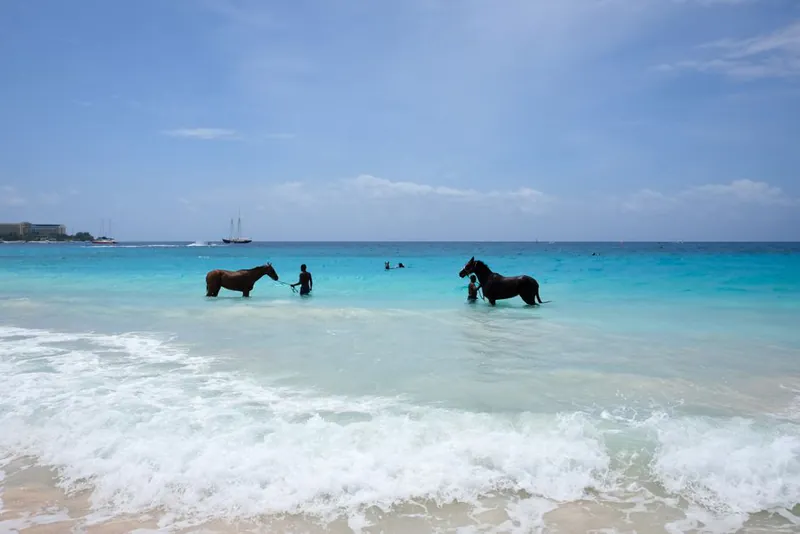
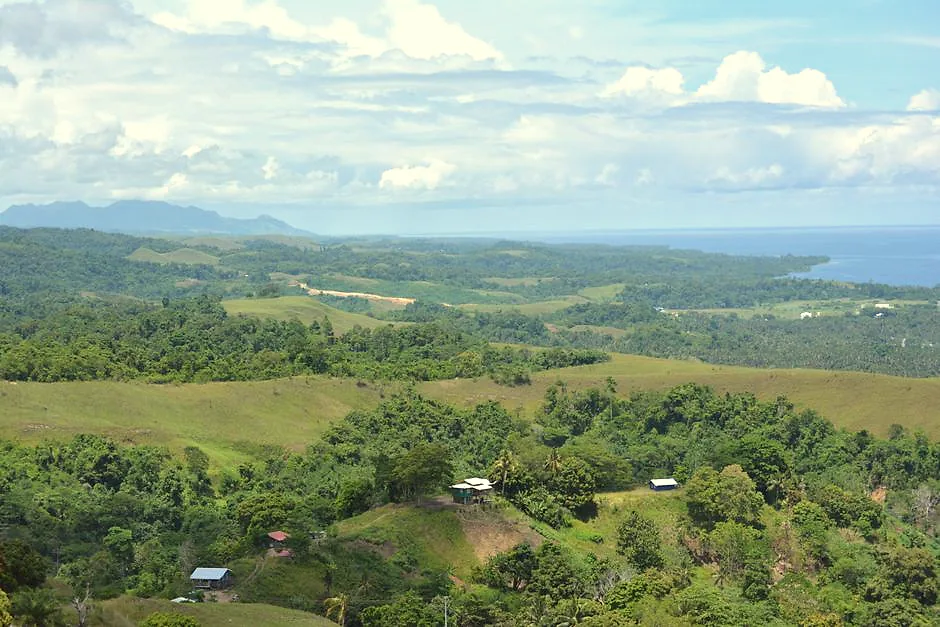
Cover photo by Neil Marshall on Pexels.
Want to see how Barbados stacks up?
Are you seriously considering a move? Use our interactive tools to explore Barbados's climate, tax brackets, and nomad visas.
Head-to-Head Relocation Comparisons
Compare taxes, safety, and living costs of Barbados against top alternatives.