Switzerland 2026: Salaries, Visas & Cost of Living
June 5, 2026
ShareSwitzerland pays Europe's highest median salary - CHF 78,000/year (~€85,000) - while running the continent's lowest inflation at just 0.3-0.4% in 2026. Over 25% of the resident population is foreign-born. Non-EU citizens can only enter on a fixed quota of 4,500 B permits and 4,000 L permits nationwide per year. The maths are unambiguous: get here if you can, and earn more per hour than almost anywhere on Earth.[1][2][3]
But "expensive" is a real word here. A comfortable single-person life in Zurich costs CHF 4,000-5,500/month before luxuries. If you earn CHF 10,000/month gross and live well, Switzerland still makes sense. If you earn CHF 4,000/month, it does not.[4]
The Economy: Stable, Slow, Resilient
Switzerland's economy is not exciting. It is reliable. GDP grew 0.2% in Q4 2025 after a small contraction the previous quarter. For 2026, the Federal Government Expert Group forecasts below-average growth of 1.0%, accelerating to 1.7% in 2027. The Swiss National Bank keeps the policy rate at 0% and expects annual inflation of just 0.3%.[3][5][6]
What drives it: pharmaceuticals, precision instruments, watchmaking, financial services, and increasingly, biotechnology and AI research. Novartis, Roche, Nestlé, UBS, and Zurich Insurance all headquartered here. The KOF Institute at ETH Zurich flags export risks from residual US tariffs (currently 15% on Swiss goods, down from 39%), and weak eurozone demand. The unemployment rate is forecast to reach 3.1% in 2026 - high by Swiss historical standards but still among the lowest in Europe.[6]
The labour market consequence for expats: companies are selective but willing to sponsor internationally when local talent is short. Engineering, life sciences, banking, and technology are the most reliably accessible for foreign professionals.
Visas and Residency: Two Tracks, One Strict Quota
Switzerland runs a binary immigration system. EU and EFTA citizens move freely. Everyone else enters a tightly controlled queue.[7]
EU/EFTA Citizens
No visa, no prior authorisation. You have the right to work under the Agreement on the Free Movement of Persons (AFMP). Register at your municipality's residents' office (Einwohnerkontrolle or Personenmeldeamt) within 14 days of arrival and before your first day of work. EU/EFTA citizens receive a B permit valid for 5 years, renewable, and automatically issued at registration when you have an employment contract.[8][9][7]
Documents needed at registration:[9]
- Valid passport or national ID
- Employment contract
- Signed rental agreement
- Proof of KVG/LAMal health insurance (or submit within 3 months)
- Passport photo for each family member
Non-EU/EFTA Citizens (Third-Country Nationals)
Enter via a Type D national visa at your Swiss consulate, converted to a residence/work permit after arrival. Your employer must apply to the cantonal labour authority first, demonstrate that no suitable Swiss or EU candidate was available (domestic priority test), and the role must fall within that year's annual quota.[2][7]
2026 quotas - unchanged from 2025 by Federal Council decision of November 2025:[2]
| Permit Type | Annual Quota (National) |
|---|---|
| B permit (1+ year, renewable) | 4,500[2] |
| L permit (up to 1 year, max 24 months) | 4,000[2] |
| UK nationals (post-Brexit separate quota) | 2,100 B + 1,400 L = 3,500[2] |
Minimum qualifying salary for third-country workers: CHF 85,000/year gross (~€93,000). Below this threshold, cantonal authorities are unlikely to approve the application regardless of employer intent.[7]
Processing time: approximately 8 weeks once employer submits the full dossier.[10]
Path to Permanent Residency (C Permit)
After 5 years of continuous residence for EU/EFTA citizens; 10 years for most third-country nationals. The C permit removes employment restrictions, allows job changes freely, and qualifies you to apply for naturalisation after a further waiting period (total minimum 10 years in Switzerland for citizenship). Language proficiency in the national language of your canton is required for naturalisation: minimum B1 oral and A2 written.[11][8][10]
Digital Nomads
Switzerland has no digital nomad visa. EU citizens can live and work remotely under their B permit; non-EU remote workers have no dedicated pathway and cannot use the employment permit system without a Swiss-based employer.
Cost of Living: The Real Numbers
Switzerland is the most expensive country in Europe - no caveat. A single person in Zurich spends an average of USD $5,830/month including rent. Without rent, monthly costs run CHF 1,500-2,730. A family of four should budget CHF 8,000-12,000/month total.[12][13][14][4]
This is why the salary matters before anything else. At CHF 9,020/month average salary in Zurich, the numbers work. Below CHF 6,000/month gross, they don't.[12]
Rent by City (2026)
| City | Studio | 1-Bedroom | 2-Bedroom |
|---|---|---|---|
| Zurich (central) | CHF 1,300-2,000 | CHF 1,600-2,600 | CHF 2,300-3,800[15] |
| Geneva (central) | CHF 1,400-2,200 | CHF 1,800-2,800 | CHF 2,500-4,000[15] |
| Basel (central) | ~CHF 1,200-1,800 | CHF 1,470-1,890 | CHF 2,200-3,200[16] |
| Zug (central) | ~CHF 1,500-2,000 | CHF 1,800-2,500 | CHF 2,600-3,500[17] |
| Bern (central) | ~CHF 1,100-1,600 | CHF 1,400-2,000 | CHF 1,900-2,900[17] |
| Lausanne (central) | ~CHF 1,300-1,900 | CHF 1,600-2,400 | CHF 2,300-3,500[16] |
Sources: Swiss for Expats, WTE, Investropa 2026[16][15][18]
Geneva's vacancy rate hovers near 1% - meaning apartments disappear within days of listing. Zurich's Kreis 4 and Kreis 5 neighbourhoods, popular with young professionals, run 10-15% above the city average. Furnished apartments add a 15-25% premium but justify the cost during the first 6 months before you've established local banking references.[18][19]
Daily Expenses (Zurich / National Average)
| Item | Price (CHF) |
|---|---|
| Restaurant meal (inexpensive) | CHF 28[13] |
| Monthly public transport pass | CHF 88[13] |
| One-way transit ticket | CHF 4.60[13] |
| Cappuccino | CHF 5-6[13] |
| Groceries: weekly shop (one person) | CHF 100-160[1] |
| Health insurance (KVG/LAMal basic, adult) | CHF 317-562/month depending on canton[20] |
Taxes: Why Your Canton Is More Important Than Your Salary
Three-Level System
Switzerland taxes at three levels: federal, cantonal, and communal. You file one return but pay all three. Federal rates are identical nationwide; cantonal and communal rates vary dramatically. Total effective rates for the same income can differ by 15-20 percentage points between the cheapest canton (Zug) and the most expensive (Geneva).[21][22]
You are a Swiss tax resident - and owe tax on worldwide income - if you stay in Switzerland for more than 30 days while working, or more than 90 days without working. File your tax return annually (usually March-April, canton-dependent).[21]
Federal Income Tax Rates 2026
Federal rates are progressive, starting effectively at 0% up to CHF 17,800 and topping out at 11.5% above CHF 769,700. The federal rate is only one layer - cantonal and communal taxes often exceed it.[23]
Total Effective Rates by Canton (Single Person, CHF 100k Income)
| Canton | Combined Effective Rate | Monthly Savings vs Geneva |
|---|---|---|
| Zug | 14-22%[17] | +CHF 500-800 |
| Schwyz | ~17-24% | +CHF 400-700 |
| Lucerne | 19-29%[17] | +CHF 200-400 |
| Basel | 24-36%[17] | break-even |
| Zurich | 22-32%[17] | +CHF 100-300 |
| Lausanne/Vaud | 24-36%[17] | break-even |
| Geneva | 25-38%[17] | - |
Practical implication: Living in Zug versus Geneva on the same CHF 150,000 salary can mean CHF 15,000-25,000 more per year in take-home pay - enough to cover 6 months' rent.[22]
Withholding Tax (Quellensteuer)
Non-Swiss nationals earning under CHF 120,000/year pay tax via automatic withholding at source - no tax return needed unless you claim deductions. Above CHF 120,000, ordinary assessment applies and you must file.[24][21]
Wealth Tax
Switzerland is one of very few countries that taxes net assets annually - at rates between 0.1% and 0.7% depending on canton and wealth level. Global assets (bank accounts, investments, real estate) are included once you're resident. High-net-worth individuals should consult a Swiss tax advisor before arriving.[24]
Healthcare: Mandatory Private Insurance, Expensive but Excellent
No State System
Switzerland has no public healthcare provider. Every resident - without exception, on any permit type - must purchase basic compulsory insurance (KVG/LAMal) within 3 months of arrival. Your employer does not contribute. There is no payroll deduction. You pay the full premium directly from your own account.[20]
2026 national average adult monthly premium: CHF 393-465. The range by canton is stark:[20]
| Canton | Monthly KVG/LAMal Premium (2026) |
|---|---|
| Zug | CHF 317[20] |
| Zurich | ~CHF 400-430[20] |
| Bern | ~CHF 420-440 |
| Lausanne/Vaud | ~CHF 490-520 |
| Geneva | CHF 562[20][25] |
Deductible (Franchise): You choose your annual deductible - from CHF 300 (maximum coverage, highest premium) to CHF 2,500 (lower premium, higher out-of-pocket). Healthy adults typically opt for the higher deductible. After paying the deductible, you still pay 10% of remaining costs up to CHF 700/year - after which the insurer covers 100%.[20]
Supplementary (VVG/LCA) Insurance
Basic KVG/LAMal covers standard ward hospitalisation, GP, and most specialist visits. Want a private room, dental coverage, or international emergency evacuation? Add a supplementary VVG policy from the same or different insurer. These are medically underwritten - pre-existing conditions may be excluded or load your premium. Emergency: 144 (ambulance) / 117 (police) / 112 (universal).[26][20]
Safety
Switzerland's national Crime Index is 24.4 - Safety Index of 75.6. Walking alone at night: 66.4% of residents rate it "high safety." Violent crime registers at "Very Low" on the Crowdsourced Data scale; the primary concern is drug-related activity in city centres (rated "Moderate"), particularly in Zurich's Langstrasse and Geneva's Pà¢quis neighbourhoods.[27]
City-by-city (2026 Crowdsourced Data):[28]
| City | Crime Index | Safety Index |
|---|---|---|
| Lugano | 21.6 | 78.4 |
| Zurich | 23.4 | 76.6 |
| Bern | 25.9 | 74.1 |
| Lausanne | 28.1 | 71.9 |
| Geneva | 29.4 | 70.6 |
| Basel | 31.4 | 68.6 |
Compared to the region, all Swiss cities rank significantly safer than Paris (Crime Index ~55), Brussels (~53), or Frankfurt (~45).[28]
English in Everyday Life
Switzerland has four official national languages: German (63% of population), French (23%), Italian (8%), and Romansh (<1%). English is the unofficial fifth - essential in multinationals, finance, pharma, and international organisations, but not a substitute for daily life integration.[11]
EF English Proficiency Index 2025: Switzerland ranks 30th globally with a score of 564 - classified as "Very High" proficiency but behind Germany (10th) and Austria (9th). In Zurich, Geneva, Basel, and Zug - the primary expat cities - English works at work and in most services. In rural cantons, you may encounter French, Swiss German, or Italian and nothing else.[29][30][31]
The blunt reality: Swiss German (Schwyzerdütsch) is the spoken dialect of the German-speaking region - and it is largely incomprehensible to anyone who learned High German (Hochdeutsch). Written Swiss German doesn't exist; formal writing defaults to High German. Start with Hochdeutsch classes. Comprehension of Swiss German will come over months. Language skills are not optional for citizenship and significantly affect social integration at every level.[11]
Which City (and Which Canton)?
The city decision in Switzerland is inseparable from the canton decision - and the canton decision is inseparable from taxes.
Zurich
The financial capital. Largest expat community, deepest job market, most English fluency, and Zurich Airport provides the best international connections. Combined tax rate for a comfortable income: 22-32%. Quality of Life Index: top-tier globally. Best for: finance, tech, pharma, anyone on a corporate relocation package. Neighbourhoods: Seefeld and Enge for established expats; Kreis 4/5 for younger professionals; Küsnacht or Zollikon (lakeside suburbs) for families.[17][18]
Geneva
The international city. UN headquarters, 40+ international organisations, CERN, and most major NGOs are based here. 25-38% combined tax rate - the highest in Switzerland. Rental market vacancy below 1%. French is the working language. Best for: international civil servants, UN/NGO professionals, diplomats, and finance with a French-speaking mandate.[32][19][17]
Zug
14-22% total tax rate - the lowest among major Swiss cantons. Small city, enormous crypto and commodities sector presence. Short train to Zurich (25 min). No major international school but proximity to Zurich compensates. Best for: entrepreneurs, commodity traders, founders, and anyone optimising post-tax income. Monthly total costs around CHF 3,313 - the lowest of any major Swiss financial hub.[33][17]
Basel
Pharma capital: Novartis, Roche, Lonza, Syngenta all headquartered here or nearby. Strong life sciences community. Good cross-border access (Germany and France both within minutes). Combined tax rate: 24-36%. Best for: life sciences, biotech, chemical engineering.[34][17]
Bern
The federal capital. Quieter, cheaper, more Swiss in character. Combined tax rate: 23-35%. Good quality of life, strong public services, political class and federal administration present. Best for: civil servants, EU institutions, those who want the real Switzerland without Zurich's pace.[35][17]
City Comparison
| City | Combined Tax Rate | Avg 1-BR Rent | Best For |
|---|---|---|---|
| Zug | 14-22%[17] | CHF 1,800-2,500 | Tax optimisation, crypto, founders |
| Zurich | 22-32%[17] | CHF 1,600-2,600[15] | Finance, tech, general expat |
| Basel | 24-36%[17] | CHF 1,470-1,890[16] | Pharma, life sciences |
| Bern | 23-35%[17] | CHF 1,400-2,000 | Federal sector, quiet living |
| Lausanne | 24-36%[17] | CHF 1,600-2,400[16] | EPFL/startups, French-speaking |
| Geneva | 25-38%[17] | CHF 1,800-2,800[15] | UN/NGO, international orgs |
Climate: Genuine Seasons, Altitude Matters
Switzerland is mountainous - climate varies significantly by altitude and region. Lowland cities follow a temperate continental pattern; the Alps produce extreme winter conditions just 90 minutes from Zurich by train.[1]
| Season | Months | Temperature Range (Zurich/Bern) |
|---|---|---|
| Spring | March - May | 5°C to 16°C[1] |
| Summer | June - August | 18°C to 28°C (heat waves to 35°C+)[1] |
| Autumn | September - November | 6°C to 17°C[1] |
| Winter | December - February | -3°C to 4°C; fog (Nebel) common in lowlands[1] |
The fog season (November-January) is a genuine quality-of-life factor in Zurich and the Swiss Plateau - dense, days-long Hochnebel that lifts only above ~1,000m altitude. Many expats escape to nearby ski resorts during this period. Ticino (Lugano) has a Mediterranean sub-climate and is notably sunnier year-round.[27]
Internet and Infrastructure
Switzerland is one of the world's most digitally advanced countries but is not the internet speed leader. Average fixed broadband: approximately 190-220 Mbps. Mobile: well-developed 5G across all major urban areas. Home internet plans (1 Gbps where available): CHF 50-90/month.[1]
Public transport is the infrastructure success story. The SBB (Swiss Federal Railways) is regarded as among the most punctual and comprehensive rail systems in the world. Zurich's tram and bus network operates on sub-5-minute headways during peak hours. The half-fare card (Halbtax, ~CHF 185/year) gives 50% off all trains and most regional transport - essential for any resident who travels within Switzerland.[1]
Buying Property
Switzerland's property market is among the most restrictive in Europe for foreign buyers. The controlling legislation is the Lex Koller - and as of April 2026, it is being actively tightened.[36]
Current rules (as of June 2026):
- EU/EFTA citizens with a valid Swiss residence permit (B or C) can purchase a primary residence without prior authorisation[37]
- Non-EU/EFTA citizens currently holding a residence permit can also buy without prior authorisation - but this is the rule the Federal Council opened for consultation in April 2026 and proposes to change[38][36]
- Foreign non-residents (anyone without a Swiss permit) need cantonal authorisation, which is typically only granted for holiday homes in designated tourist zones[39][37]
- Owning property in Switzerland does not grant a residence permit[39]
The proposed 2026 Lex Koller tightening (consultation closes 15 July 2026):[36][38]
- Non-EU/EFTA nationals would need a permit to purchase even a primary residence
- Mandatory resale within 2 years if they leave Switzerland
- Commercial property purchases for investment purposes prohibited for all foreigners
- Holiday apartment quotas reduced
If parliament adopts the bill (expected 2027 at earliest), non-EU expats who want to buy need to move fast or plan for a more restricted market.[38]
Property prices: Zurich new-build apartments: approximately CHF 13,000-18,000/sqm. Purchase transaction costs add 3-5% (notary, transfer taxes, registration). Annual rental yields: a thin 2.5-3.5% gross, compressing to 2-3% in prime Zurich and Geneva. Switzerland is not a buy-to-let market. It is a store-of-value and quality-of-life market.[19][1]
Your First 30 Days: The Checklist
- Register at your municipality within 14 days and before your first day of work - bring passport, employment contract, rental agreement, and passport photo[40][9]
- Apply for your residence permit simultaneously - EU/EFTA citizens do this at registration; non-EU citizens must have it arranged before entering Switzerland[8][7]
- Buy KVG/LAMal health insurance immediately - compare premiums at comparis.ch (the official comparison portal); you have 3 months but don't delay, as hospitals bill the insurer retroactively to your registration date[41][20]
- Open a Swiss bank account - UBS, Credit Suisse (now UBS), PostFinance, Zürcher Kantonalbank, and neobanks (Neon, Yuh) are standard; bring permit, registration confirmation, and employment contract
- Get the SBB Halbtax card (~CHF 185/year) - 50% off all Swiss trains; pays for itself within two inter-city journeys[1]
- Choose your canton tax profile wisely before signing a lease - renting in Zug versus Geneva on CHF 150,000 gross costs you CHF 15,000-25,000/year in additional tax[22]
- Non-EU: verify employer's quota allocation - the Federal Council issued 2026 quotas on 1 January; if your employer's canton is oversubscribed, expect delays[2]
- Start German/French classes immediately - language is the single biggest barrier to integration, social life, and eventual citizenship[11]
Key Data at a Glance
| Indicator | Value |
|---|---|
| GDP Growth 2026 (official forecast) | 1.0%[3] |
| GDP Rebound 2027 | 1.7%[3] |
| Inflation 2026 | 0.3-0.4%[3][6] |
| SNB Policy Rate | 0%[6] |
| Unemployment 2026 | ~3.1%[6] |
| Median Annual Salary (Zurich tech) | CHF 120-150k[1] |
| Non-EU B Permit Quota 2026 | 4,500 nationwide[2] |
| Non-EU Min. Salary for Permit | CHF 85,000/year[7] |
| Top Combined Tax Rate (Zug) | 14-22%[17] |
| Top Combined Tax Rate (Geneva) | 25-38%[17] |
| KVG/LAMal Premium (avg/month) | CHF 393-465[20] |
| KVG/LAMal Premium (Geneva) | CHF 562/month[20] |
| Zurich Crime Index | 23.4[28] |
| Zurich Safety Index | 76.6[28] |
| EF English Proficiency Rank | 30th globally[29] |
| Avg 1-BR Rent - Zurich | CHF 1,600-2,600[15] |
| Avg 1-BR Rent - Geneva | CHF 1,800-2,800[15] |
| Home broadband (1 Gbps) | CHF 50-90/month[1] |
| Lex Koller consultation deadline | 15 July 2026[38] |
The quota of 4,500 non-EU B permits covers the entire country. In 2026, more people apply for a single senior position at a Swiss pharma company than Switzerland admits from outside the EU all year. That is not an exaggeration - it is a reason to move decisively if the opportunity appears.
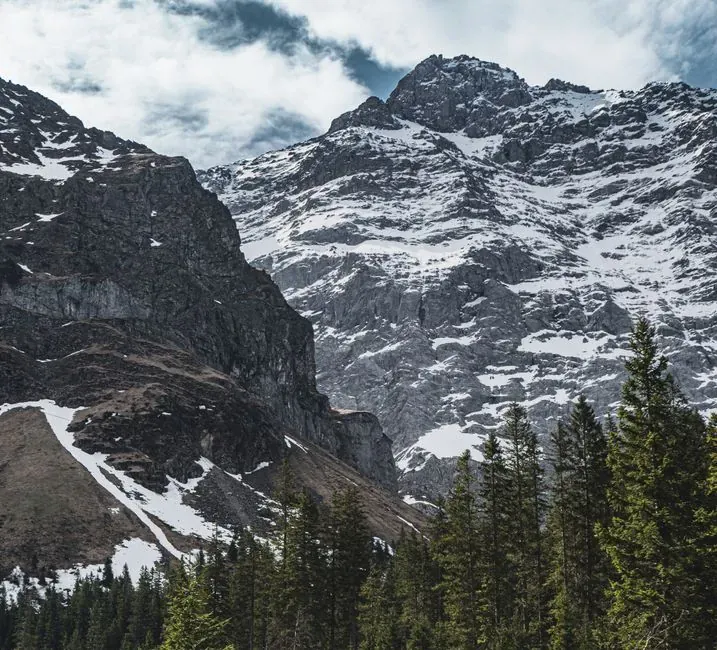
Cover photo by Christopher Politano on Pexels.
References
- Moving to Switzerland 2026: $3,000-$5,000/mo, Top Salaries ...
- Federal Council leaves third-country quotas for 2026 unchanged
- Economic forecast: below-average growth in 2026 - Adminwww.eda.admin.ch "º newnsb
- Cost of Living in Switzerland 2026: Monthly Budget ...
- Quarterly Bulletin 1/2026 - Swiss National Bank
- KOF Economic Forecast: Despite Trade Deal, Gloomy Outlook for ...
- Work Permits in Switzerland 2026: Permit Types & Quota System
- Swiss Residence Permit : B, C, L, G, N, S - Lexial Lawyers
- Registering in Switzerland registering new place of residence
- B Permit (Residence Permit) - Switzerland Visa Guide 2026
- Language in Switzerland - Expat Guide | Emigranto
- Cost of Living in Zurich, Zurich, Switzerland in 2026
- Cost of Living in Zurich. Nov 2025. Prices in Zurich
- The cost of living in Switzerland in 2026 - Expatica
- Rent in Geneva vs Zurich (2026) - Swiss for Expats
- Switzerland Cost of Living 2026 - Expat Data | WTE
- Best Swiss Cities for Expats (2026) - International Living Ranked
- Updated Rents in Switzerland (2026) - Investropa
- Buying and Renting Out in Switzerland (2026) - Investropa
- Health insurance in Switzerland for expats & foreigners | Feather
- Mastering Taxes in Switzerland 2026: A Clear and Simple Guide for ...
- Taxes in Switzerland Table & Income Tax Rates 2026
- Switzerland - Individual - Taxes on personal income
- What Is Expats' Tax in Switzerland? A Complete Guide
- Swiss Healthcare for Expats: Choosing Mandatory LAMal Insurance
- Moving to Switzerland - Practical Guides for Expats (2026)
- Crime in Switzerland
- Western Europe: Crime Index by City 2026 - Cost of Living
- Which cantons in Switzerland speak the best English?
- What Percentage of Switzerland Speaks English? Current ...
- Why do Switzerland's English language skills keep getting worse?
- The Top 12 Cities in Switzerland for Expats
- Best places to live in Switzerland revealed in new quality of life study
- How Expats Rate Life in Basel, Geneva, and Zurich - InterNations
- 6 Best Places To Live In Switzerland | 2026 - A Broken Backpack
- Swiss Government Proposes Tougher 'Lex Koller' Rules to ...
- Switzerland Property Foreign Ownership: Last Update (2026)
- Switzerland Plans Tightening Restrictions on Property Acquisition by ...
- Acquisition of property by foreign non-residents
- Anmeldung Schweiz: Neuen Wohnsitz anmelden - Comparis
- Health insurance comparison 2026: calculate premiums
Frequently Asked Questions
What is the annual quota for B permits and L permits in Switzerland in 2026? The annual quota for B permits is 4,500, and for L permits, it is 4,000.
How much does a comfortable single-person life in Zurich cost before luxuries? A comfortable single-person life in Zurich costs CHF 4,000-5,500/month before luxuries.
What are the requirements for EU/EFTA citizens to work and live in Switzerland under the Agreement on the Free Movement of Persons (AFMP)? EU/EFTA citizens have the right to work without a visa after registering at their municipality's residents' office within 14 days of arrival and before their first day of work. They receive a B permit valid for 5 years, renewable, and automatically issued upon registration when they have an employment contract. The documents needed include a valid passport or national ID, employment contract, signed rental agreement, proof of KVG/LAMal health insurance (or submit within 3 months), and a passport photo for each family member.
Want to see how Switzerland stacks up?
Are you seriously considering a move? Use our interactive tools to explore Switzerland's climate, tax brackets, and nomad visas.
Head-to-Head Relocation Comparisons
Compare taxes, safety, and living costs of Switzerland against top alternatives.